
Abstract:
According to Gazetteer,
Waymo driverless taxis have received more than 8,300 parking tickets in San Francisco since January 2025, with a total fine of nearly $1 million. Among them, the same intersection has been posted a maximum of 577 times, making it the "most persistent traffic violation household".
The report quoted San Francisco parking management records as showing that Waymo received 4,178 tickets throughout 2025, and another 4,131 tickets in the first six and a half months of 2026. The growth rate did not decrease but increased.
For comparison, Waymo was issued only 589 fines and fined US$65,000 in 2024. This number is now only enough to cover its fine expenses for a month.
Waymo currently receives an average of more than 100 tickets a week, and the drama of "unmanned vehicles getting tickets" is performed on the streets of San Francisco almost every day.
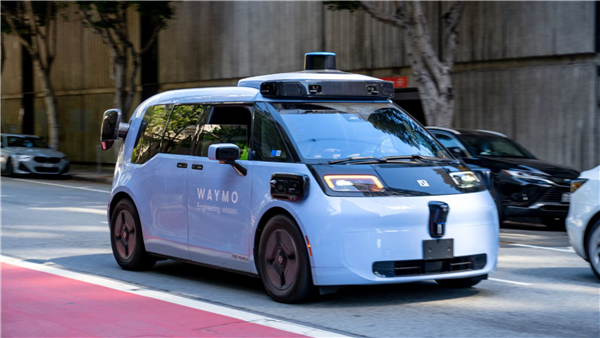
The types of fines are concentrated on the long-standing problem of roadside parking in old cities. The largest category is occupying dedicated bus parking spaces, reaching 2,038; the rest are illegal parking in prohibited parking areas, obstructing traffic, double parking, occupying bicycle lanes, etc.
Looking at the location distribution, fines are highly concentrated in a few pick-up and drop-off hotspots:
A location at 85 North Point Street near Fisherman's Wharf received 577 fines, 150 Beach Street received 369 fines, and a section of Drumm Street in the Financial District received 288 fines.
The common features of these locations are dense pedestrians and extremely limited legal roadside parking space. Waymo's autonomous driving system repeatedly makes the same illegal parking decision in the same location, indicating that the algorithm has "learned" for so long and has not learned to avoid these places.
It is reported that Waymo currently operates more than 1,200 driverless taxis throughout the Bay Area, and recently received approval from the California Public Utilities Commission to expand its service scope to 18 counties. In January this year, a shuttle service was launched to and from San Francisco International Airport, and SFO is one of the most complex transportation hubs in California. With more cars and more orders, the probability of illegal parking will naturally increase.
A Waymo spokesperson said the company pays tickets "like any other driver" and works with the San Francisco Department of Transportation's fleet program team to make improvements.
But security researcher Phil Koopman bluntly said: The fine money is "nothing" to Waymo.
Nearly $1 million sounds like a lot, but when placed in front of a company with a valuation of tens of billions of dollars and backed by Alphabet, it is not even a fraction, and it is not enough to change its operating behavior.
This set of data also reveals a real problem that has been deliberately downplayed by the autonomous driving industry. Unmanned vehicles may be better than human drivers in terms of driving safety, but when it comes to parking, they face exactly the same dilemma as human drivers. There is insufficient legal parking space in the city, the demand for pick-up and drop-off is concentrated in a few hot spots, and fines lack a deterrent effect on operators.
The difference is that human drivers will change their parking habits because they feel distressed about the ticket. Waymo's algorithm does not seem to have learned this yet. When fines become "parking fees" that can be included in operating costs, the larger the scale of unmanned taxis, the greater the pressure on urban roadside order.
Whether the San Francisco Transportation Department will increase the fines for autonomous vehicles or open exclusive pick-up and drop-off areas to alleviate conflicts will be the focus of regulatory policies.
Comments