
Abstract:
When old games are connected to modern flat-screen TVs, the graphics are often not as natural as in memory. This is not just a difference caused by nostalgia: many works from the 1980s, 1990s and early 2000s were originally produced around the display characteristics of CRT TVs. After switching to LCD or OLED screens, motion, resolution and pixel art will show different effects.
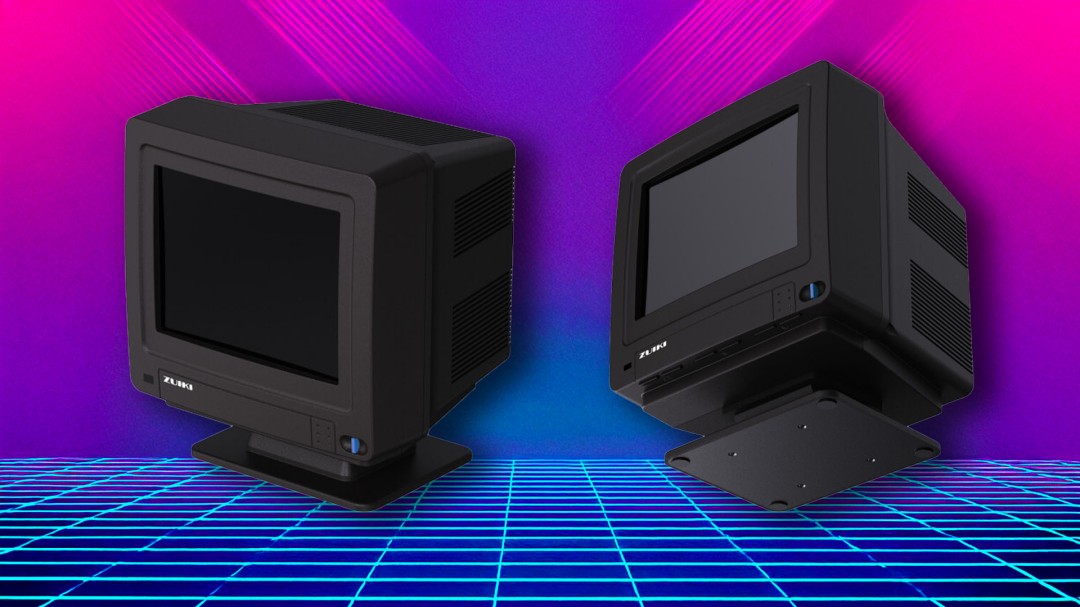
An electron gun is used inside the CRT to excite the fluorescent material on the screen and draw horizontal lines from left to right and top to bottom. Modern LCDs and OLEDs generally use the "sample and hold" method to continuously display a complete frame until the next refresh. The difference between the two mechanisms allowed CRT to have higher motion definition for a long time. It was not until the emergence of high refresh rate flat panel displays that LCD and OLED gradually narrowed the gap in this regard.
This difference is more obvious in older games such as "The Legend of Zelda: Ocarina of Time". The game's original low and unstable frame rate is less noticeable when the CRT handles moving images; after switching to a modern display device, the frustration is more easily noticeable.
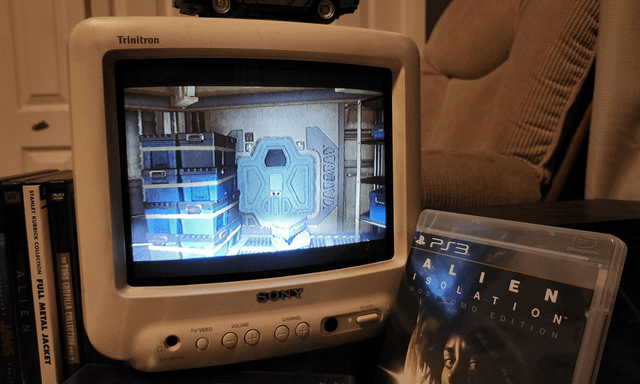
Resolution is also a key factor. CRTs do not have the same fixed native resolution as modern panels and can display multiple resolutions without the blurring and stretching that is common with low-resolution pictures on flat-screen TVs. Before the era of PS3 and Xbox 360, console games were mainly produced around two standards: 240p and 480i.
Among them, 480i uses interlaced scanning, drawing odd-numbered lines and even-numbered lines successively; 240p uses progressive scanning, drawing all valid lines in sequence. Standard-definition CRTs will leave spaced black lines when displaying 240p signals. This visual effect, often called "scan lines," has also become a typical feature of retro pixelated images.
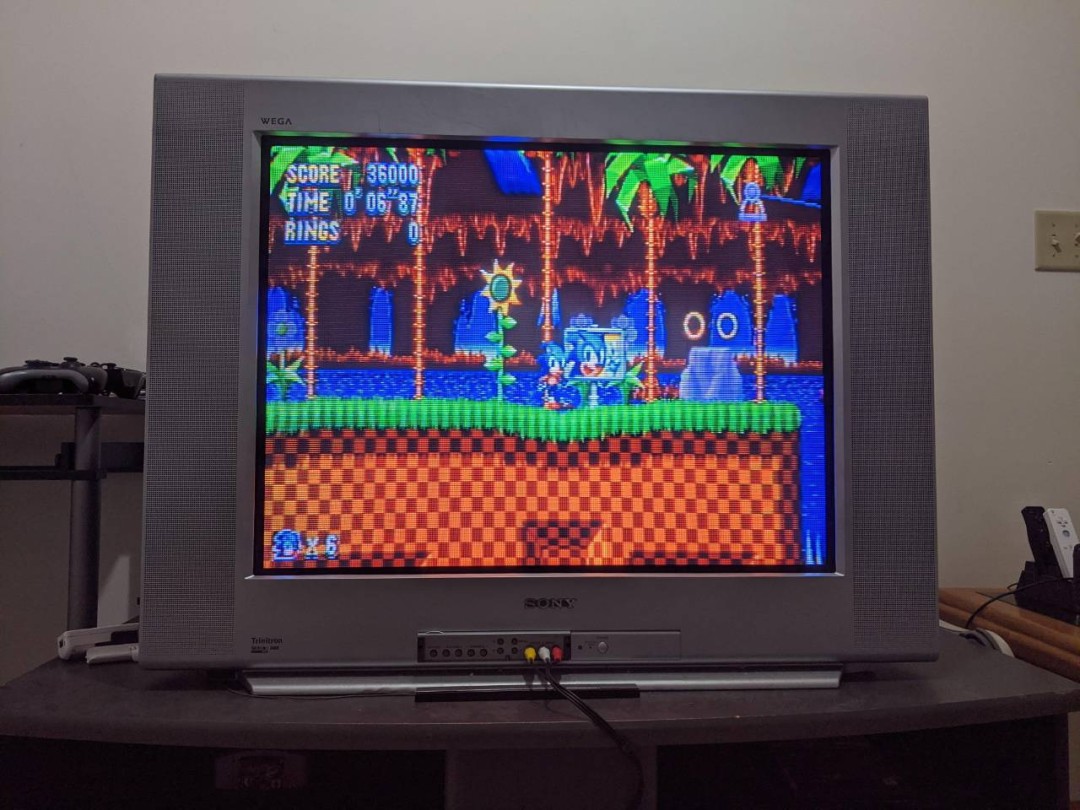
Modern television's processing of older signals can introduce additional problems. Some devices need to convert 480i to 480p, and the deinterlacing process may increase input delay; some TVs may also misjudge 240p as 480i, resulting in picture defects such as motion blur. The signal is then further amplified to 1080p or 4K, further changing the way the original picture is presented.
The art of old games also takes advantage of CRT features. Developers have used dithering technology to add checkerboard patterns to sprites and textures to simulate smoother color transitions; these patterns can be naturally integrated when combined with CRT fluorescent screens, but will be directly revealed on LCD or OLED. When Square Enix recently re-released Final Fantasy Tactics, it also removed this dithering process from the classic display mode due to differences in display effects.
Comments