Huawei's Ascend 910C AI chip is China's next "DeepSeek" moment, and the company appears to be getting its chip needs from TSMC despite U.S. restrictions. An analysis article by SemiAnalysis pointed out that even after the recent U.S. ban, Huawei continues toTSMCThe purchase of chips shows that neither side is concerned about violating the trade policies established by the Trump administration.
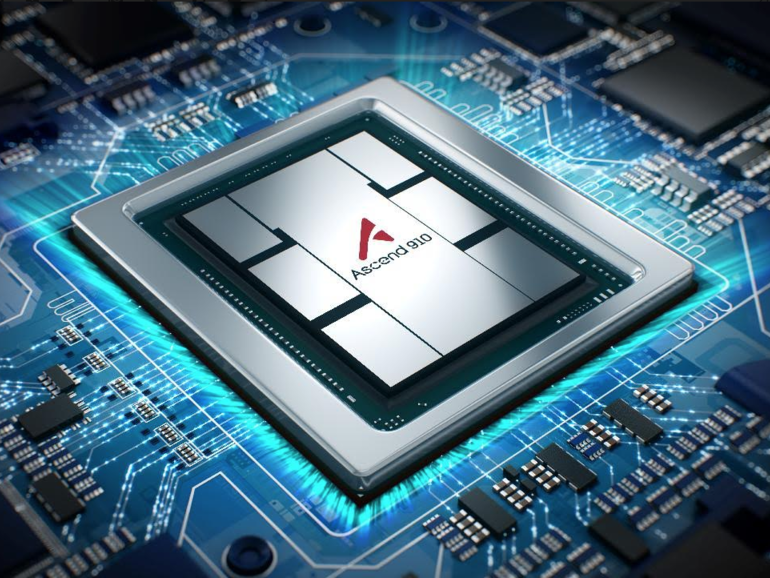
A common misconception is that Huawei's 910C chip is made in China. In fact, it is not. It is designed entirely in China, but it still relies heavily on foreign production. Whether it's Samsung's high-density graphics memory (HBM), TSMC's wafers, or equipment from the United States, the Netherlands and Japan, China relies heavily on foreign industry.
Huawei's Ascend 910C is said to use TSMC's 7nm process as the main node for its chips. TechInsights also said that most of Huawei’s AI chips will use foreign semiconductors. Interestingly, China’s local wafer foundry SMIC also offers 7nm process, but Huawei seems unwilling to bet on a process that is “not yet mature”. Huawei is estimated to have acquired about $500 million worth of TSMC's 7nm chips through Chinese company Shuneng Technology, which the Taiwanese giant had previously banned from production.
Interestingly, TSMC previously faced a $1 billion fine after its chips were found to be used in Huawei's Ascend 910B AI processor, and the Taiwanese giant eventually suspended all orders from Chinese companies. Still, Huawei appears to have managed to obtain TSMC chips, likely stockpiling them before export controls were implemented. SemiAnalysis claimed that Huawei still has access to TSMC chips through third-party companies, but they were unable to confirm this claim.
Imposing restrictions did not achieve much for the United States becauseChinaMajor tech companies are able to find ways to acquire cutting-edge AI hardware, whether by exploiting vulnerabilities or acquiring it on the black market.