According to Bloomberg, prominent U.S. Democratic senators on Monday urged the Trump administration to review new AI chip agreements with Saudi Arabia and the United Arab Emirates, believing that expanding AI chip sales to these Middle Eastern countries would endanger national security. Nvidia responded by saying that restricting the spread of U.S. technology overseas would only be counterproductive.
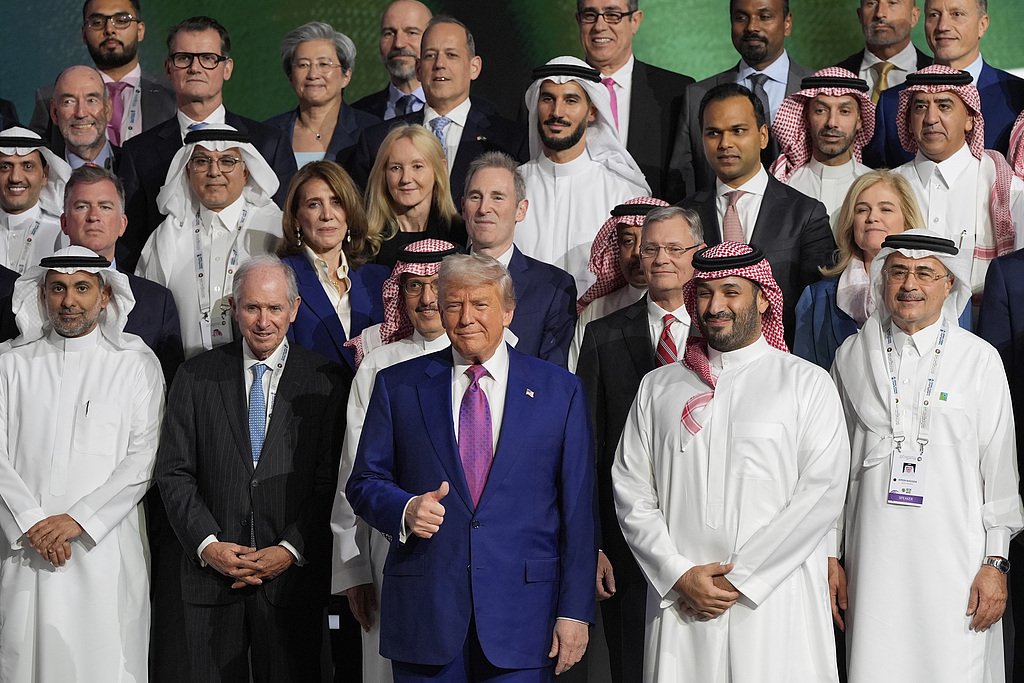
NVIDIA, AMD and other companies announced a series of agreements during Trump's visit to the Middle East last week, opening the door for Gulf countries to purchase tens of thousands of advanced semiconductor chips. The Trump administration is planning to roll back Biden-era rules that restricted these countries’ access to chips.
A group of Democratic senators, led by Elizabeth Warren and Senate Minority Leader Chuck Schumer, warned that this series of measures would endanger U.S. national security and economic competitiveness.
"Taken together, these agreements amount to a shocking rollback of a series of export control measures that have helped the United States maintain its technological lead, ensure victory in the AI race, and prevent adversaries from gaining access to our most sensitive technologies," they wrote in a letter to U.S. Commerce Secretary Lutnick and Secretary of State Rubio.
Nvidia and other technology companies argue that expanding the global use of U.S. technology contributes to national security, while limiting its use overseas is counterproductive.
NVIDIA said in a statement in response to the senators' joint letter: "Data centers in the Middle East will be built securely based on American technology, rather than relying on foreign competitors. These agreements will also create American jobs, support American infrastructure construction, bring tens of billions of dollars in tax revenue to the U.S. Treasury, and help alleviate the trade deficit. At the same time, we will also make unprecedented investments in the United States to build the world's largest and most powerful AI infrastructure."
As of press time, spokespersons for the White House, the U.S. Department of Commerce, and the State Department have not commented.