Flat-faced dogs like pugs and French bulldogs may look extra friendly, but new research suggests size, training and "petting" often shape their behavior more than head shape - although some traits may be innate.

Short-nosed or flat-nosed dog breeds like pugs and French bulldogs, also known as brachycephalic dogs, are popular for their "baby-faced" appearance and affectionate personalities. But is this view accurate? Or is this just an example of dog owners imposing their own ideas on their pets?
In a new study, researchers at Eötvös Lorand University (ELTE) in Hungary wanted to know whether some of the behaviors of brachycephalic dogs are actually caused by the shape of their heads, or if they are caused by other factors such as size, type of owner and how the dog is raised.
Researchers looked at more than 5,000 purebred dogs from 90 different breeds and grouped them according to their head shape: brachycephalic, mesocephalic (medium length) and dolichocephalic (long nose). They then compared the groups of dogs on eight behaviors, including four personality traits (calmness, trainability, sociability with other dogs and boldness) and four problem behaviors (lunging at people, pulling on the leash, overreacting when guests arrive, and not returning when called). In addition, the researchers collected data on more than 20 "confounding" variables, such as dog size, training experience, owner demographics and living conditions, to explore whether these variables could explain behavioral differences.
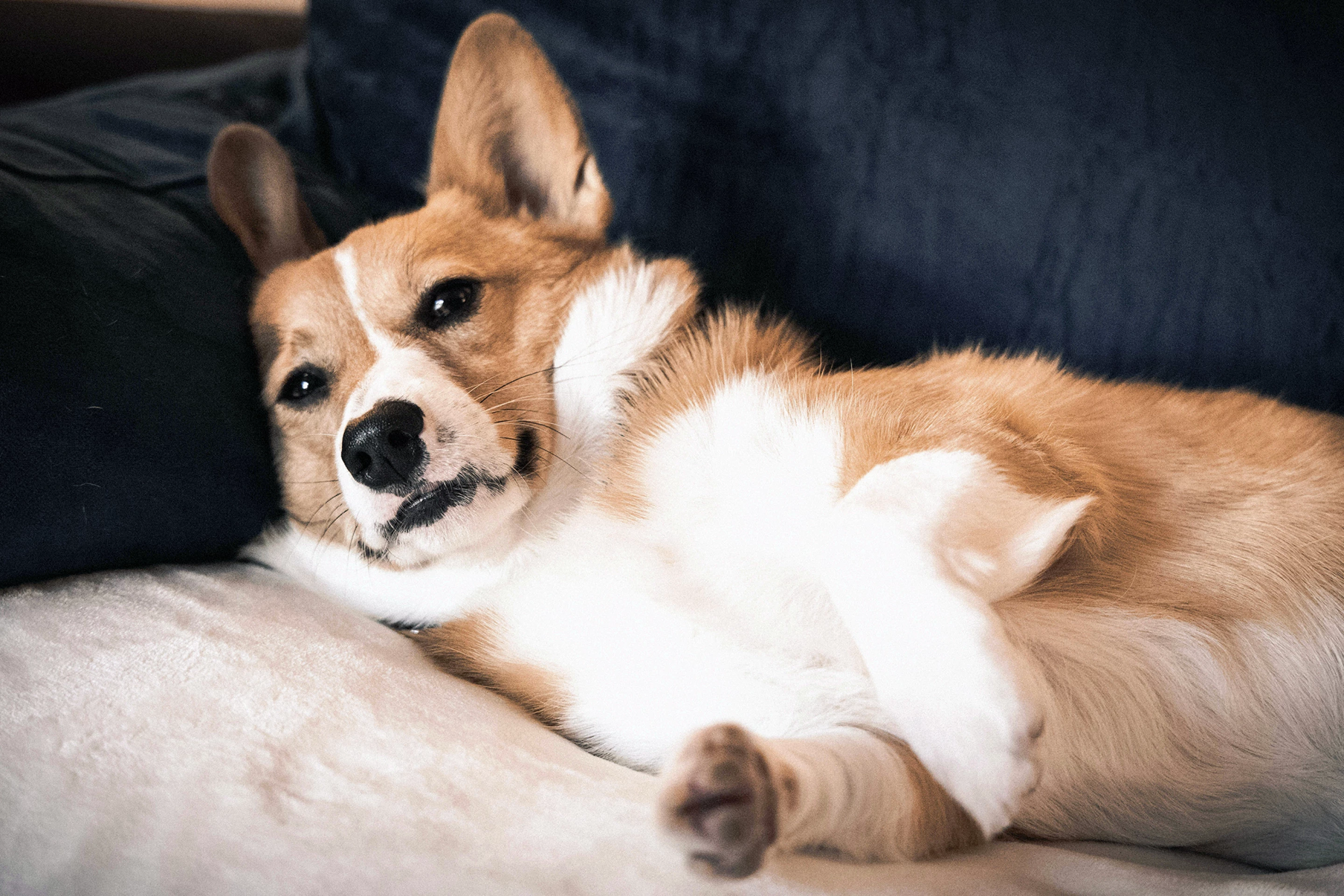
The Corgi is a mesocephalic (medium-length nose) dog breed
Dog owners were given two large questionnaires (one about personality, the other about problem behaviors) and the dogs' head shape was classified based on a "Head Shape Index" averaged across breeds, with clear distinctions between categories. The researchers first used statistical tests to look at raw differences, then reanalyzed the data controlling for confounding factors and used mediation models to test whether these factors explained (or hid) the link between head shape and behavior. They then reran all analyses, excluding larger breeds with shorter heads, such as boxers, to see if size affected the results.
Studies have found that brachycephalic dogs are more difficult to train than medium- or long-nosed dogs and react more strongly when guests arrive. They are unlikely to come back when called. They are about as calm as mesocephalic dogs and calmer than dolichocephalic dogs. Dolichocephalic dogs are less calm and bolder. Raw data showed that there was no difference between them on leash and jumping.
Brachycephalic dogs are smaller, younger, and have less formal training (nearly half of the dogs examined had no training at all). They live mostly indoors, take shorter walks, and are more often allowed to move around in beds. Their owners tend to be younger, often first-time dog owners, often female, and often kept simply as "family members."
The differences in training difficulty disappear once size, training, and owner/breeding factors are taken into account; smaller size and less training explain why short-nosed dogs appear to be more difficult to train. In terms of sociability with other dogs, brachycephalic dogs were actually less social than long-nosed dogs after adjusting for age, despite no previous differences. Short-nosed dogs have fewer problems with jumping and pulling on leashes, but this has previously been hidden because smaller, less trained dogs generally perform worse. Part of the reason for being more responsive to guests is smaller size and being allowed to go to bed. Differences in calmness, boldness and recall remained unchanged after adjustment, suggesting they may have a more direct link to genetics and head shape.
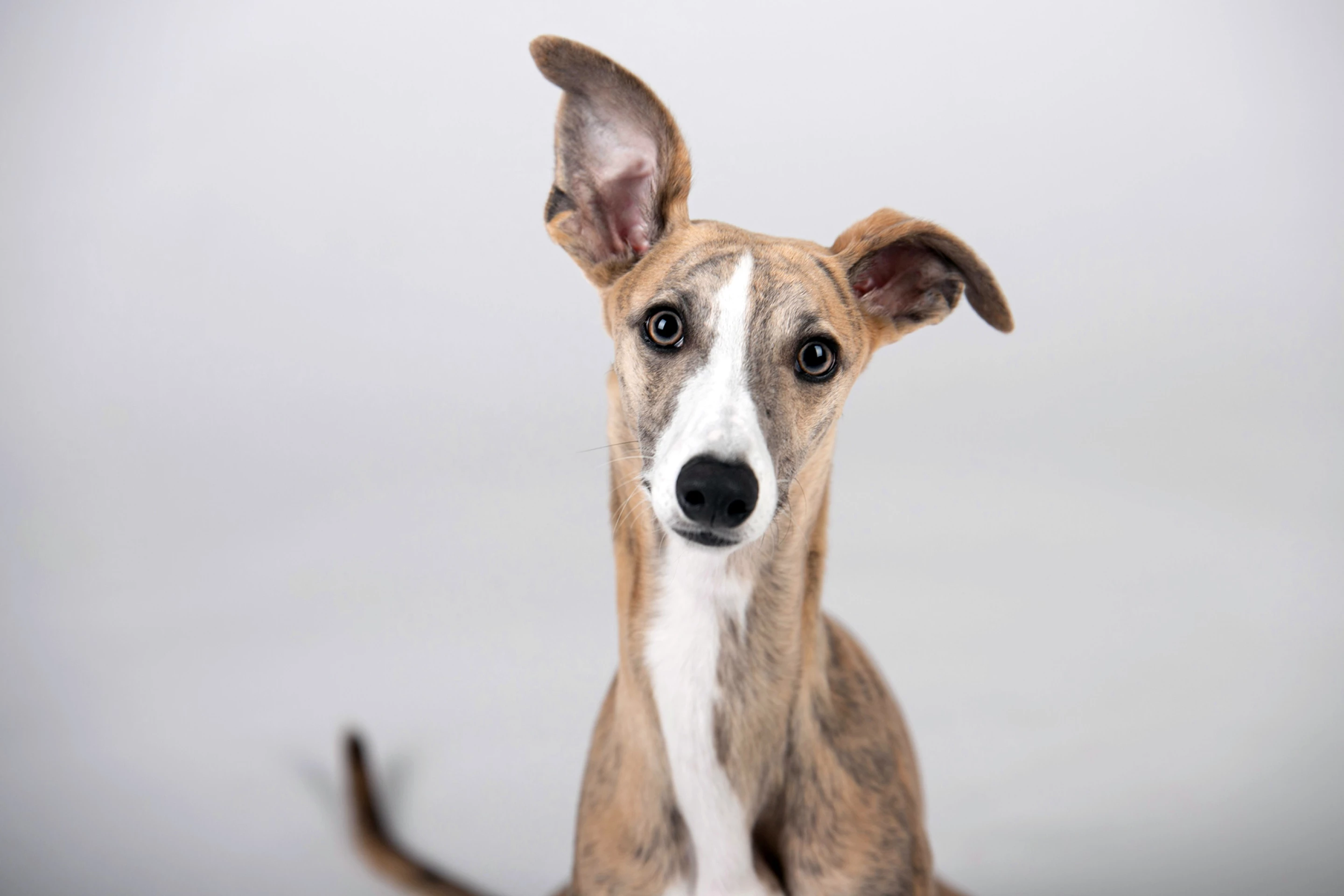
Greyhound is a long-nosed dog, or long-headed dog
There are limitations to this study. Dog behavior is reported by owners, which is subjective and may be biased (a "cute" dog may have its flaws overlooked by its owner). Additionally, head shape data is based on breed information and is not measured individually for each dog. Because the sample was volunteers, the results may be biased toward happier owners and healthier dogs. Finally, how owner personality affects breed selection was also not measured.
Nonetheless, this study offers some interesting real-world implications for dog owners, potential dog owners, breeders, and researchers. Short-nosed dog breeds may indeed have some positive behavioral traits, such as being calmer and less prone to disturbing behaviors, but these traits can easily be masked by poor training or "coddling." Proper training can improve training results and help offset the challenges of small dog behavior.
Behavioral appeal may be part of the reason why brachycephalic breeds remain popular despite serious health problems, including respiratory problems, skin fold infections, and eye problems. Owner education should focus on training and actual care needs, not just the dog's appearance. The interaction of small body size and brachycephalic shape creates behavioral trade-offs: small body size tends to increase excitement and attention seeking, while brachycephalic shape tends to promote calmness and dependence.
Future research should examine the effects of head shape and head circumference together rather than separately. Research should include direct measurements, objective behavioral tests, and exploration of the role of chronic health problems in shaping personality.
The study was published in the journal Animals.