A French and Canadian research team creatively used the Japanese "Kirigami" art technique to redesign the traditional parachute. By cutting hundreds or thousands of holes in the parachute fabric, it can stably present an inverted bell shape when falling in the air, and accurately land near the target area. This technology is expected to greatly improve the safety and accuracy of humanitarian airdrops and drone package delivery.
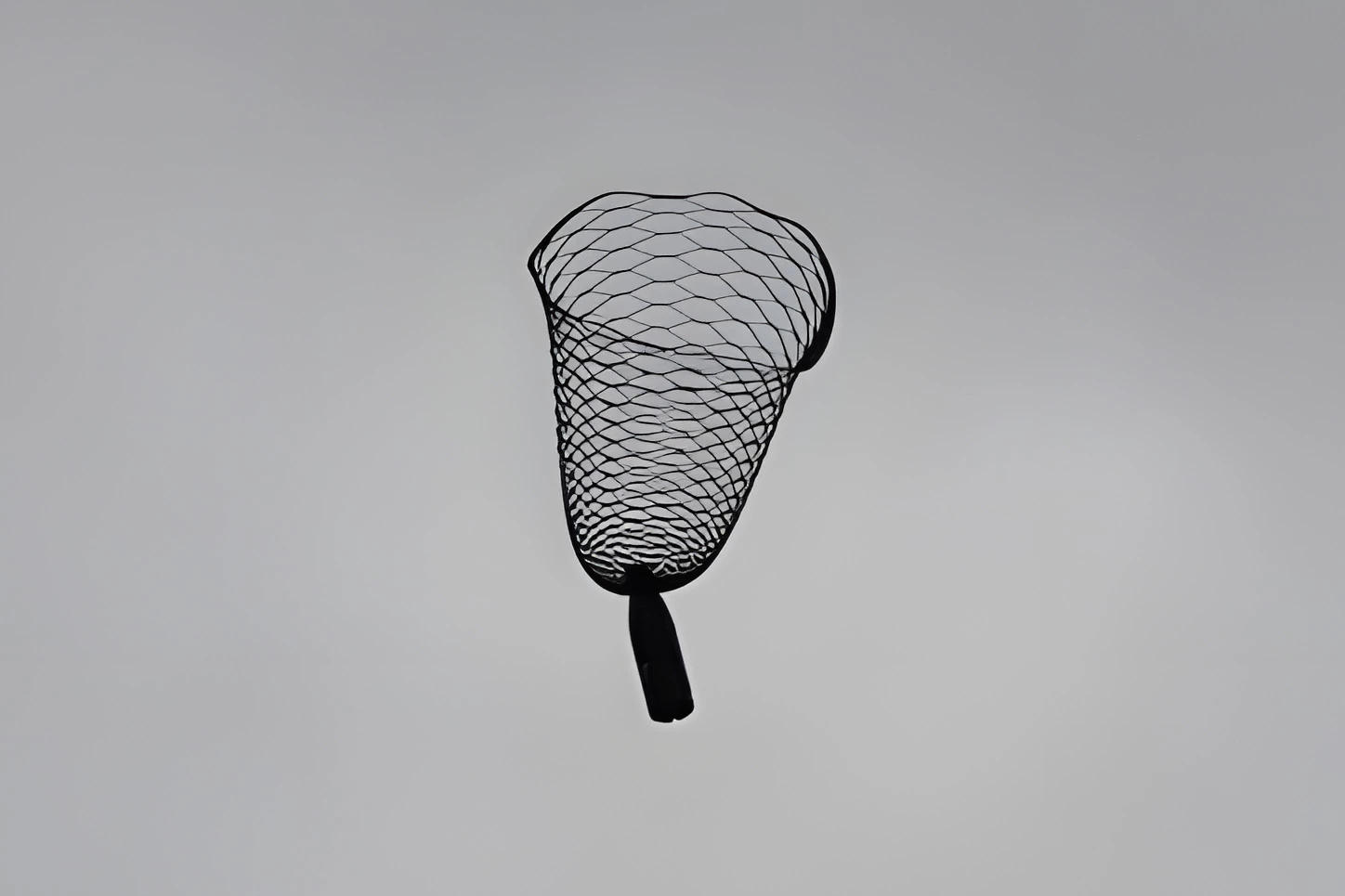
Members of the research team, mainly from the Department of Mechanical Engineering at Ecole Polytechnique of Montreal, went through multiple rounds of experiments and finally determined the "closed loop" pattern cut by the laser on the plastic sheet, allowing the parachute to stretch into a unique inverted bell shape when deployed in the air, thereby effectively controlling the landing point.
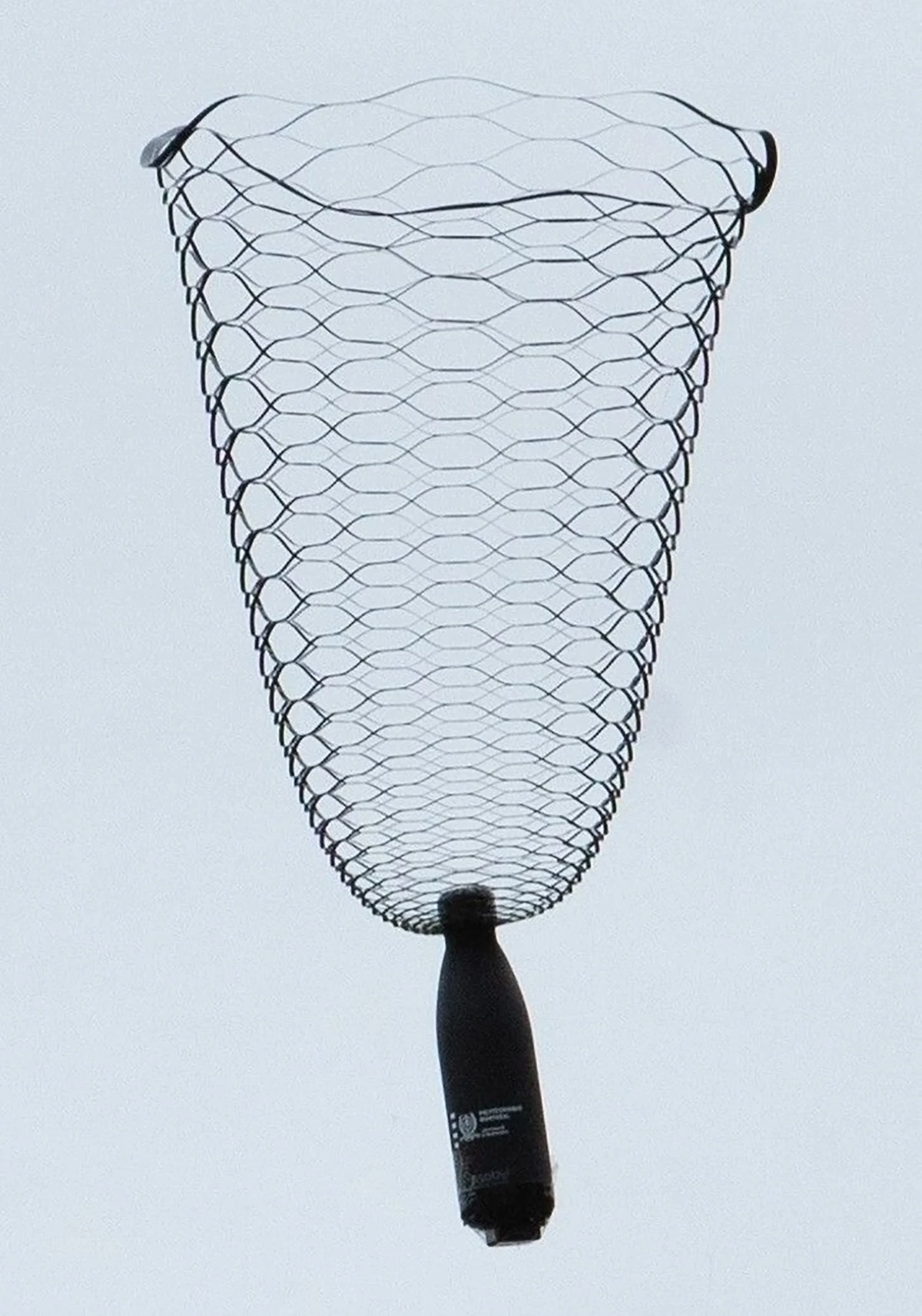
According to reports, they have repeatedly dropped bottles containing this kind of parachute from a height of nearly 60 meters. Experiments have proved that the parachute can fall almost vertically and the trajectory is highly predictable, which is far better than traditional parachutes. According to team member and mechanical engineer Frédérick Gosselin, "The inverted bell-shaped design stretches the gaps in the paper-cut pattern, prompting the airflow to pass through many small holes in an orderly manner, avoiding large turbulence and unstable airflow, and thereby achieving a controllable descent route."

Unlike traditional parachutes that rely on intercepting airflow and use huge resistance to slow down their fall but easily deviate from the target, the new parachute can significantly avoid the risk of remote material falling and damage. This is particularly important during humanitarian relief, high-risk areas or natural disaster emergency airdrops.
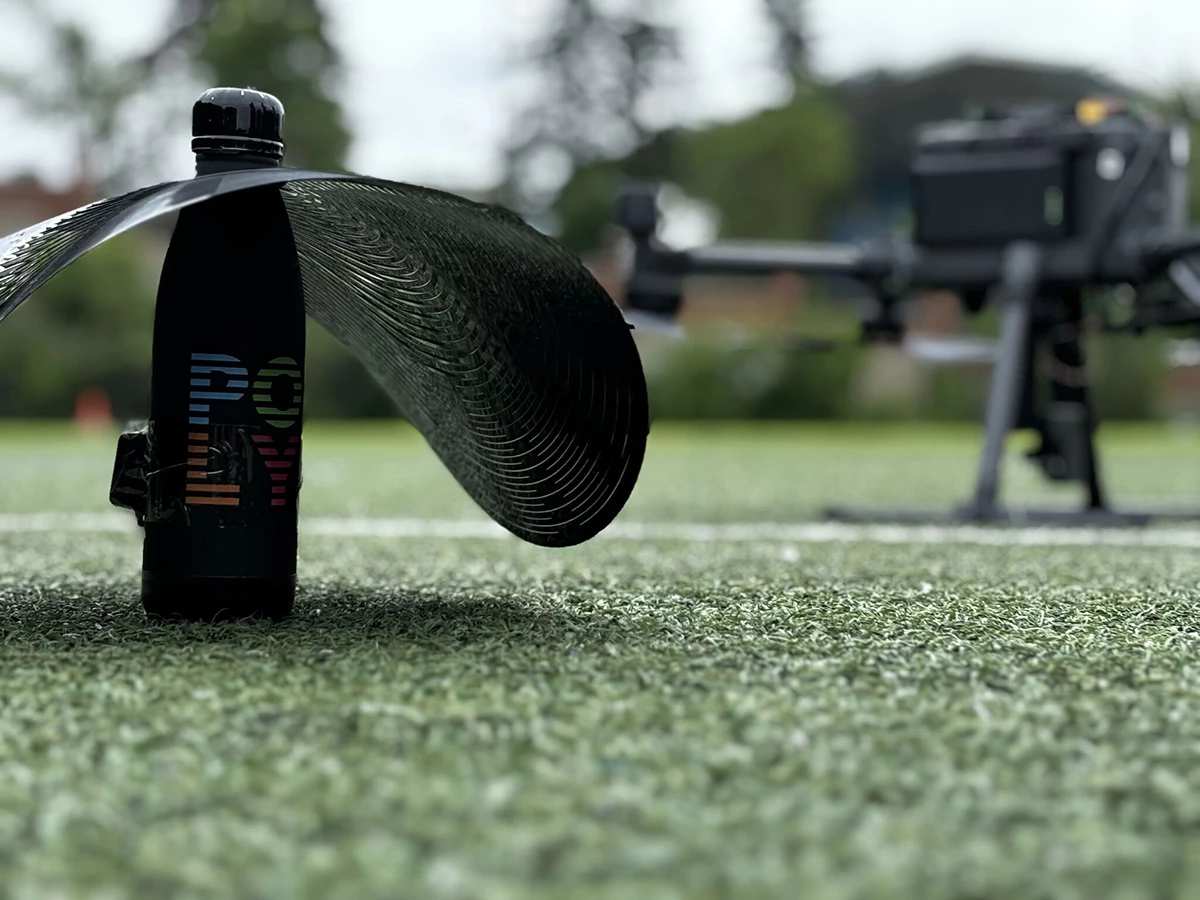
In addition, this parachute has a simple production process and can be mass-produced with only laser cutting or die-cutting equipment. It does not require stitching or complicated assembly. It can be quickly manufactured in a variety of materials and has great promotion potential. In the future, the researchers plan to learn from the Origami concept to further optimize the foldability of the parachute, increase the structural rigidity, and adjust the falling method according to different cargoes.
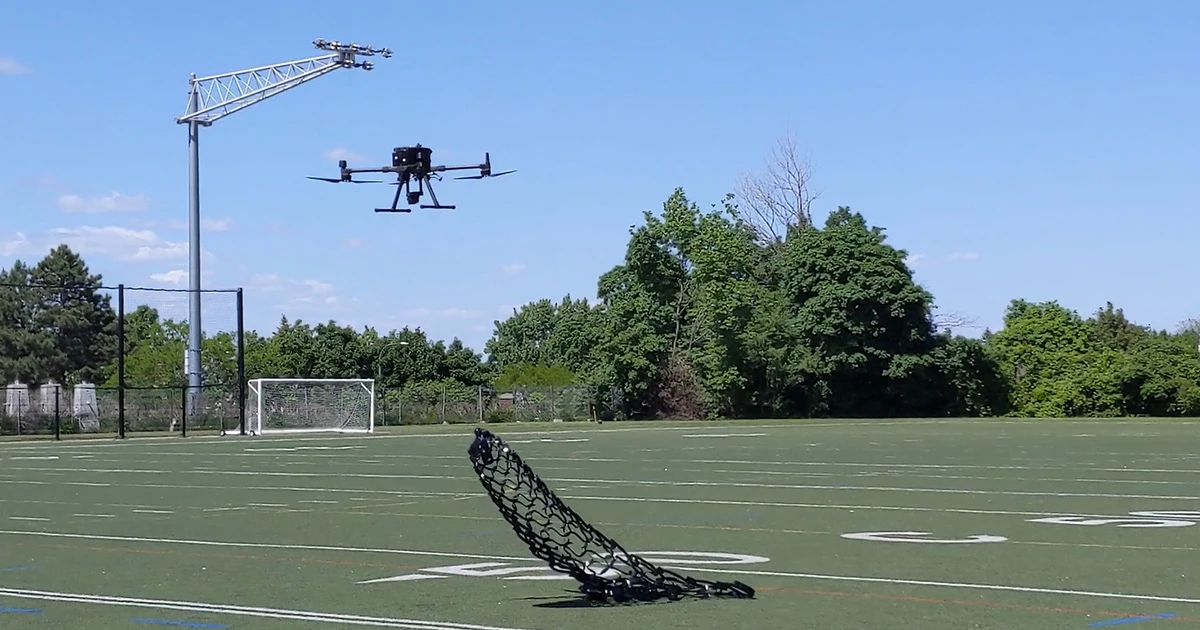
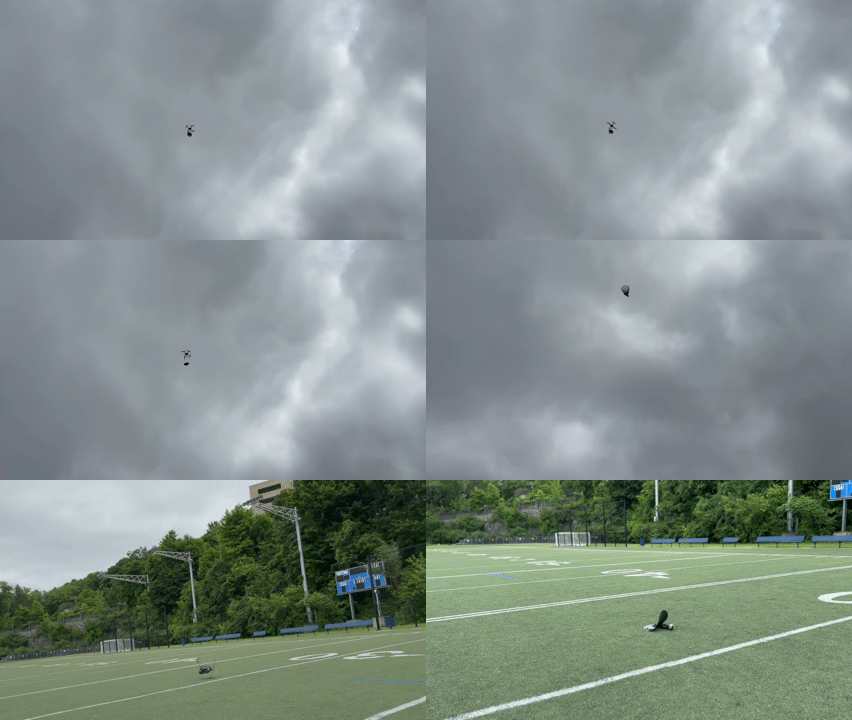
The research was published this week in the journal Nature. Details of the project were issued in a press release by Ecole Polytechnique de Montréal, showing team members and photos of the parachute prototype.