On Tuesday (October 28) local time, the payment company PayPal announced that it had signed a cooperation agreement with OpenAI, and its digital wallet will be embedded in ChatGPT, allowing users to complete shopping payments directly in the chatbot.
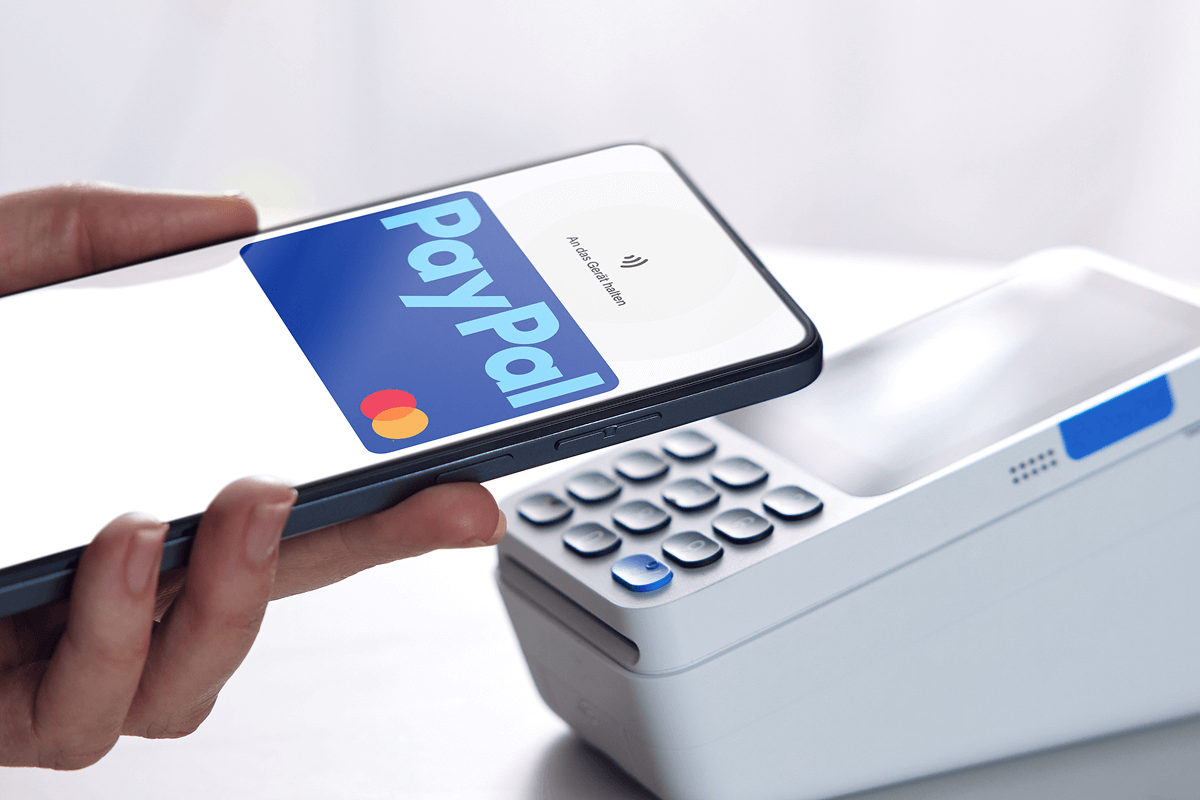
Driven by this news, PayPal once rose by more than 15% before the market opened.
According to PayPal CEO Alex Chriss, the agreement was finalized last weekend; starting next year, both parties in the PayPal ecosystem—consumers and merchants—can access ChatGPT. Users can purchase goods on its platform, and merchants’ product inventory can also be put up for sale.
Chriss said: "We have hundreds of millions of loyal PayPal wallet users, who can click the 'Buy with PayPal' button on ChatGPT in the future and enjoy a safe and reliable checkout experience."
OpenAI is expanding ChatGPT’s e-commerce capabilities. The company announced last month that ChatGPT users can purchase goods from merchants on the Shopify and Etsy platforms; two weeks ago, it announced an e-commerce cooperation agreement with Walmart.
"This is a completely new shopping model. It's hard to imagine that agentic commerce won't be an important part of the future," Chriss said.
PayPal also reported third-quarter results on Tuesday. While raising its full-year performance forecast, the company announced its first dividend payment in 27 years since its establishment, demonstrating its confidence in cash flow and long-term profitability.
PayPal raised its full-year adjusted earnings per share forecast to $5.35-$5.39 (previously $5.15-$5.30), above analysts' expectations of $5.24. The board of directors approved a quarterly dividend of $0.14 per share, with a target dividend rate of 10% of adjusted profits.
According to data released by PayPal, excluding exchange rate factors, its total payment volume increased by 7% to $458.1 billion.
PayPal had benefited from the coronavirus pandemic, but it experienced a downturn as consumers returned to physical stores and spending patterns stabilized, prompting it to focus on high-margin businesses and take cost-cutting measures.