Recently, in the "Official Guide to the Nintendo Museum" released, Shigeru Miyamoto, Takashi Tezuka, Koji Kondo and other founders of the "Super Mario Bros." series used special interviews to systematically explain for the first time the core elements of this classic IP's vitality across 40 years, and gave an outlook on whether it can continue to be popular until the centennial celebration in 2085.
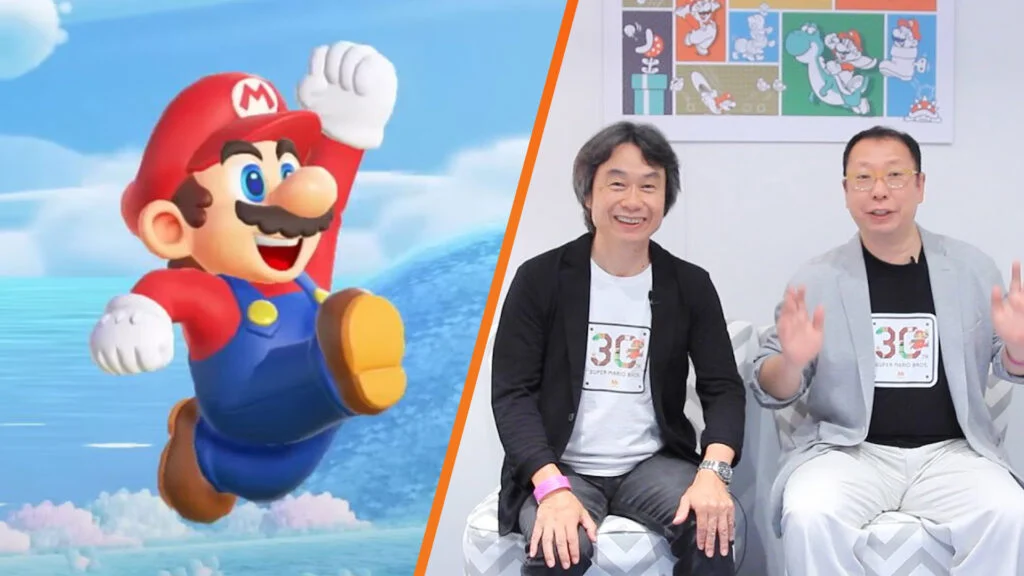
Series senior creator Takashi Tezuka pointed out that continuing to adjust the development direction according to the characteristics of the times is the key to the longevity of the IP. "We are always creating in the unknown and can never predict the point at which players will become bored. Because of this, the team must constantly conceive of new interesting experiences." He emphasized in particular, "It would be a miracle if Mario still exists a hundred years later. But we will continue to optimize the operation and game mechanics to ensure that the work is always full of freshness."
Nintendo representative director Shigeru Miyamoto expressed his opinion from the perspective of technological evolution: "It is an inevitable trend to integrate new technologies to promote the continuous evolution of "Super Mario". Even if we expand to visual fields such as movies, we will still stick to the interactive and digital nature." He summed up succinctly: "As long as the core of 'running and jumping' is not forgotten in innovation, Mario will grow with players for a long time. Nintendo has always been committed to snowballing emerging technologies into richer gaming fun."
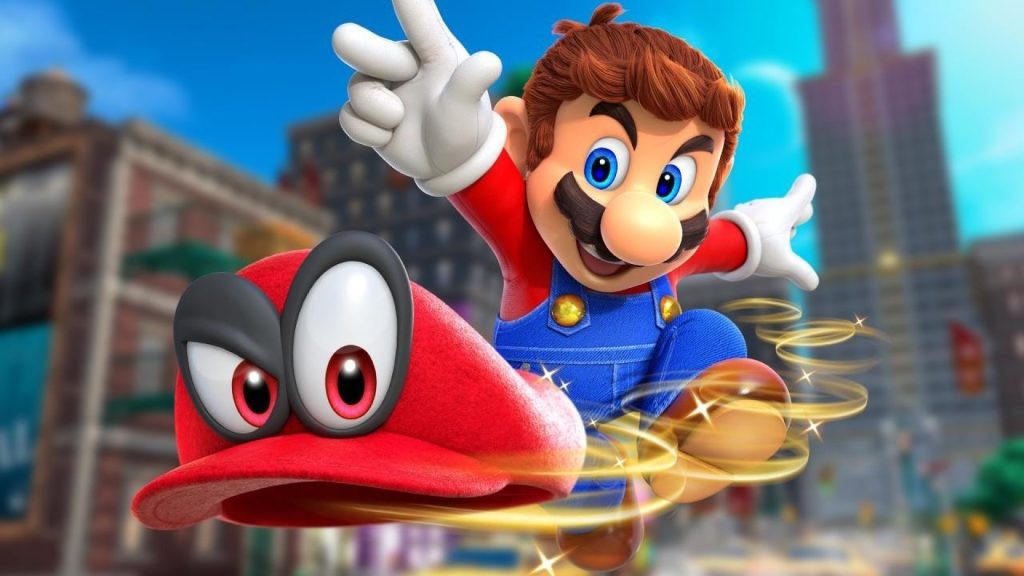
It is worth noting that the common experience of multiple generations of players has become an important driving force for the continuation of the series. Tezuka Takashi revealed that currently three generations of family members can enjoy the game together. Although it is not yet certain whether four generations will be able to live together in the future, he said: "Creating opportunities for family and friends to share the Mario experience is our biggest motivation for continued creation."
Composer Kondo Koji added from the perspective of artistic creation that although it is difficult to predict the specific form a hundred years from now, he will always be committed to creating "programs that can intuitively convey emotions."