The standard version of Qualcomm's next-generation flagship mobile platform, Snapdragon 8 Elite Gen 6, will share an important similarity with the existing Snapdragon 8 Elite Gen 5: they use the same package area, but this "cost-saving" design will not make the new platform cheaper. The latest news shows that as the entire industry focuses on the higher-spec Snapdragon 8 Elite Gen 6 Pro, Qualcomm’s 2nm standard version chip will bring considerable cost pressure to Android mobile phone manufacturers due to its manufacturing process upgrade.
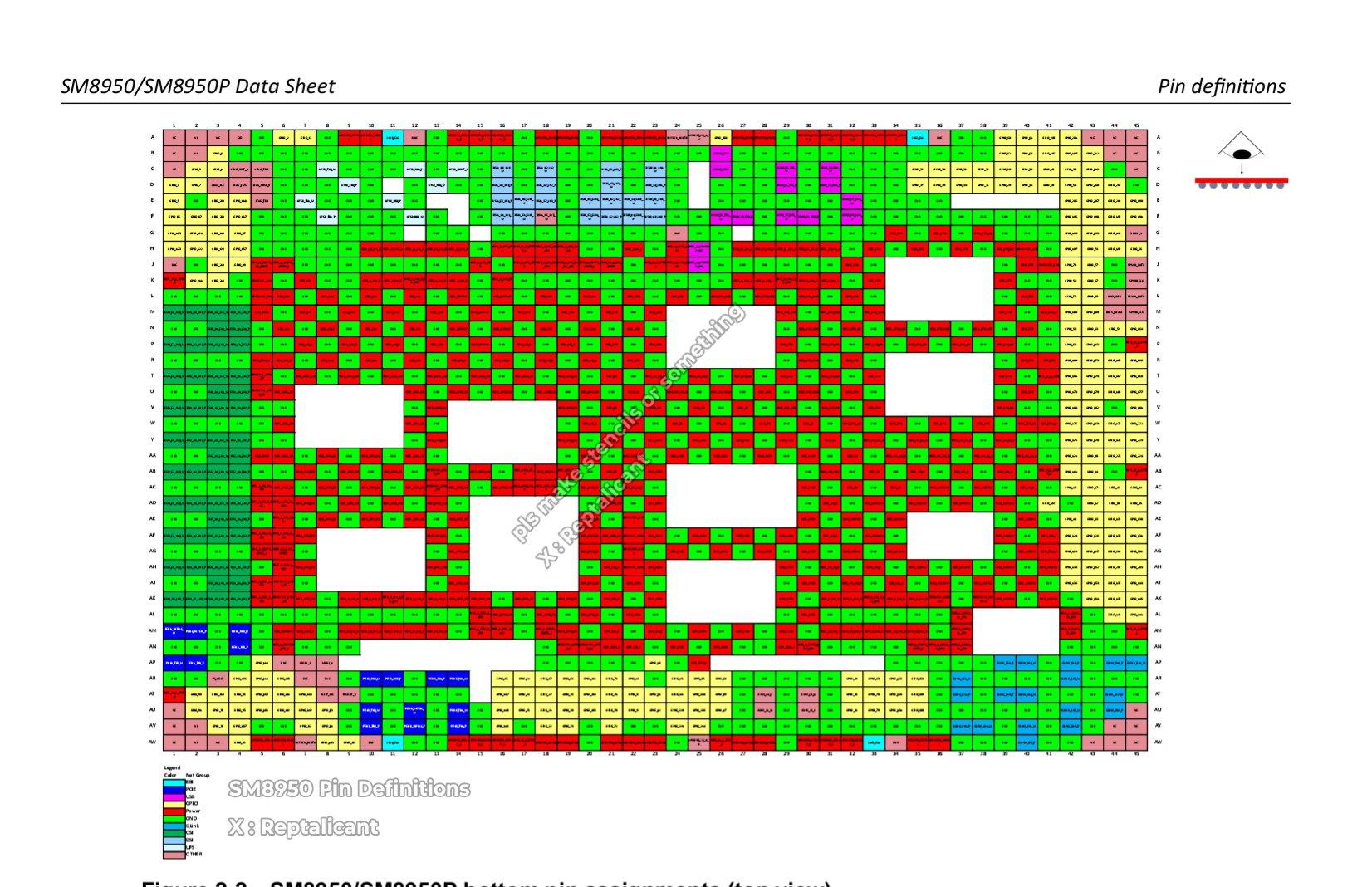
According to information released by the tipster Reptalica, the package area of the standard version of Snapdragon 8 Elite Gen 6 is expected to be 126.2 square millimeters, which is consistent with the Snapdragon 8 Elite Gen 5. Industry analysts believe that Qualcomm is expected to reduce some costs in chip design and packaging by reusing modules of similar size or even the same size. However, this also means that the expansion space of the standard version in cache capacity, GPU area, etc. is limited.
In contrast, the Snapdragon 8 Elite Gen 6 Pro version is revealed to have Qualcomm’s largest shared L2 cache to date to further reduce latency, improve power consumption efficiency, and achieve an approximately 50% increase in GPU bus bandwidth. These differences are due to the larger packaging and chip layout space of the Pro version, which gives it obvious advantages in graphics performance and system response.
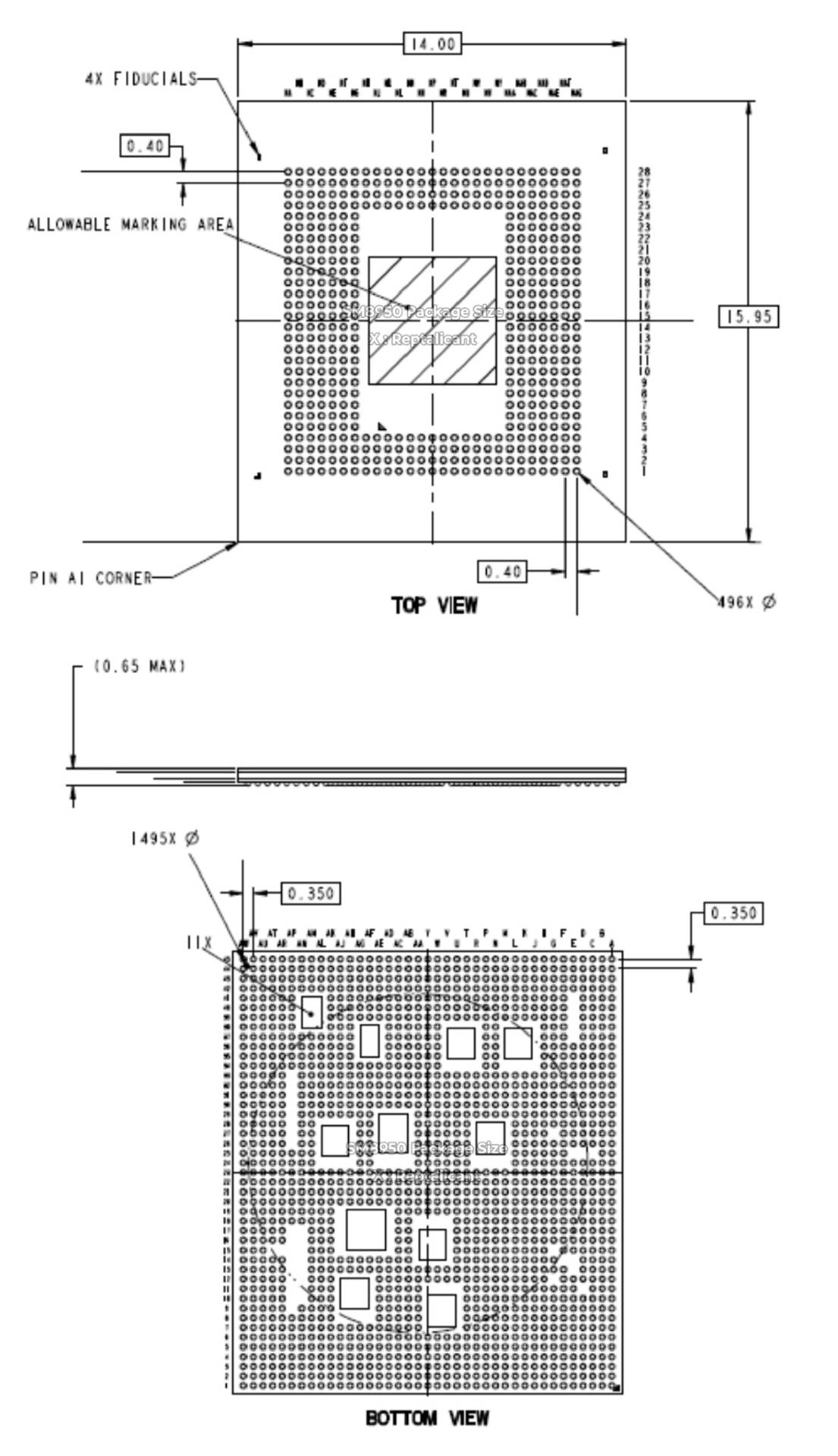
However, even if Qualcomm attempts to control the manufacturing cost of the Snapdragon 8 Elite Gen 6 standard version by maintaining the package size in design, its final selling price is likely to be significantly higher than the previous generation, and the reason is concentrated on the 2nm process node of the foundry TSMC. The news mentioned is TSMC's first-generation N2 process, which is slightly different from the higher-specification N2P process that has been rumored many times before. The latter is believed to provide Qualcomm with additional advantages in competition with Apple.
One possible strategy is for Qualcomm to use the N2 process on the standard version of the Snapdragon 8 Elite Gen 6 to further reduce wafer costs while ensuring performance improvements, leaving N2P for the higher-end Pro version. However, the details of the specific process division have not yet been officially confirmed, and they are still at the level of industry chain rumors.
It is worth noting that Qualcomm’s mobile phone chip business has been under continued pressure due to storage market conditions recently, and the pricing strategy of its flagship platform has become increasingly sensitive. In this context, how to set a sufficiently competitive price for the Snapdragon 8 Elite Gen 6 standard version on TSMC’s 2nm high-cost node is regarded as an important step for Qualcomm to revive its high-end mobile phone business revenue.