According to Reuters, the Indian government recently announced the cancellation of import tariffs on some electronic components and smartphone parts, including wireless charging-related components, displays for automobiles and medical equipment, and lithium-ion battery cells. The originally applicable 7.5% and 5% tariffs will be fully exempted under the new regulations, and the policy is expected to last until March 31, 2029. This move is seen as a positive signal for companies with local manufacturing operations. Apple, which is accelerating its shift of production focus to India, will particularly benefit.
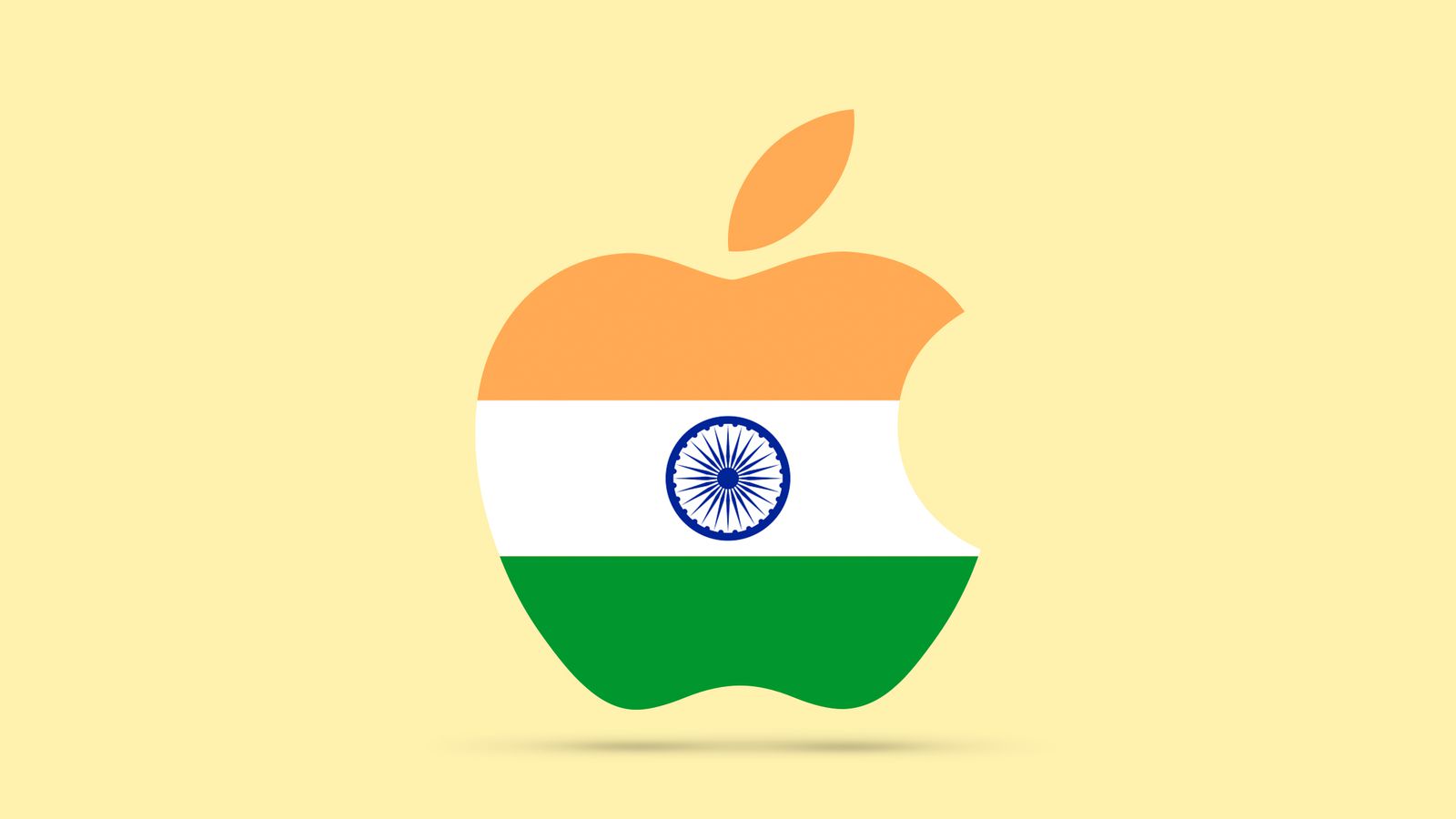
In specific aspects, the elimination of tariffs on wireless charging components is closely related to Apple’s MagSafe ecosystem used in all iPhone products. As the import costs of related hardware are cleared, it will be easier for Apple's assembly partners in India to complete the procurement and production of wireless charging components locally, reducing their reliance on high-priced imports from overseas, thus releasing cost advantages in the supply chain.
In the past few years, Apple has continued to increase its manufacturing footprint in India in an attempt to diversify its reliance on Chinese production bases. Currently, its partners in India have undertaken the assembly task of about a quarter of global iPhone production, and have completed local production of the entire iPhone 17 series for the first time, including high-end Pro and Pro Max models. As one of Apple's most important OEM companies, Foxconn invested an additional US$1.5 billion earlier this year to further expand its factories and production capacity in India, while Tata Electronics has also rapidly emerged as a core manufacturing partner alongside Foxconn.
Industry analysts believe that this round of tariff exemption policies will not only reduce Apple’s comprehensive costs in the upstream of the Indian supply chain, but also provide policy support for it to create a more complete and competitive manufacturing ecosystem locally. As the proportion of local supply of components increases, Apple's cost structure in smartphone production and export is expected to continue to be optimized, leaving more room for subsequent price and product strategies in the Indian market and global markets.