
Abstract:
A 12-year study has found that Sri Lanka's wild Asian elephant population is experiencing an easily overlooked crisis that could have long-term consequences: As the number of female elephants declines, the once tight-knit community gradually fragments into smaller, isolated groups. Researchers believe that this change may mean that the social structure of the elephant herd has passed a certain critical point. Once it occurs, it will be very difficult to restore the original social network.
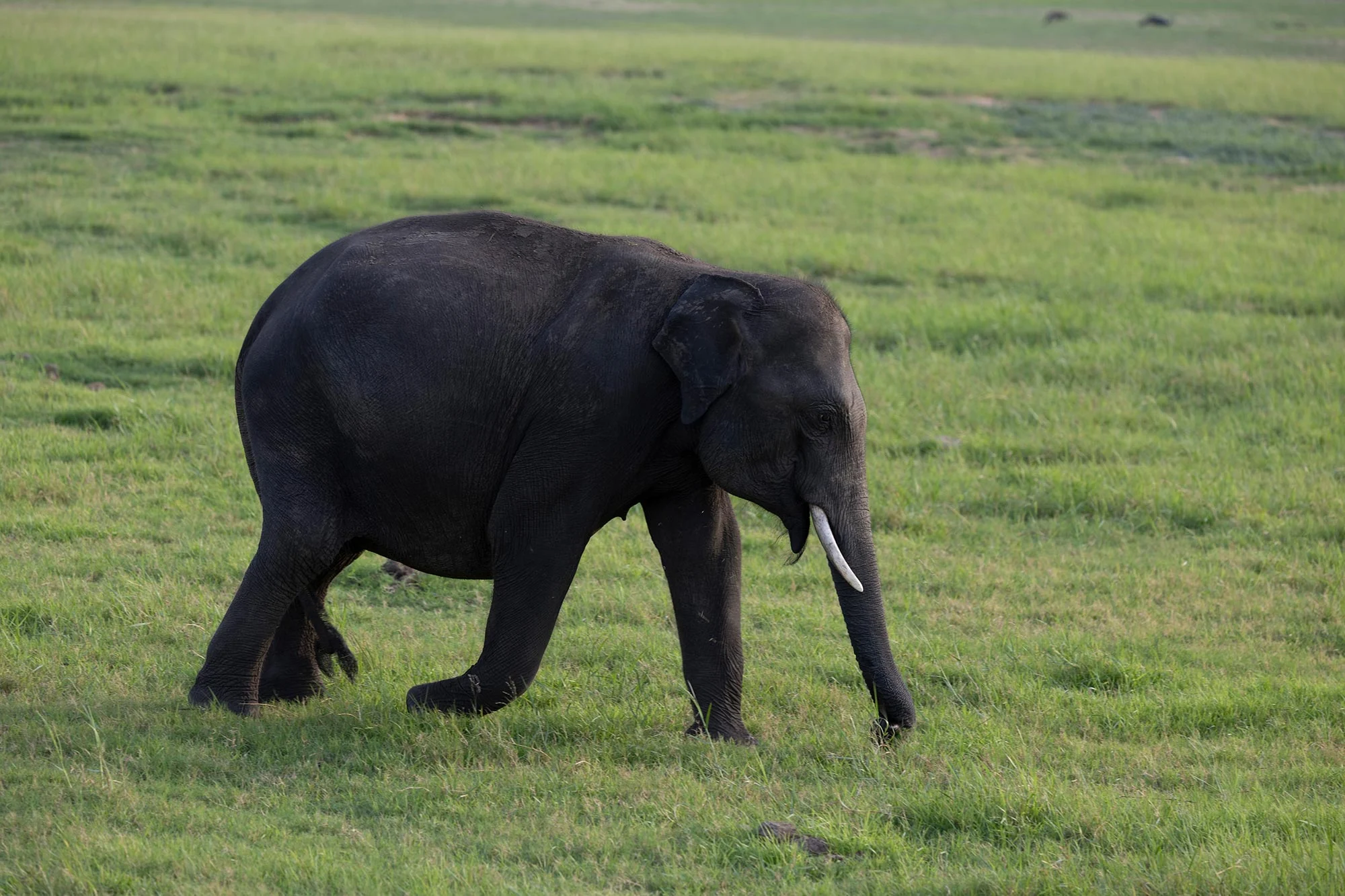
This study was conducted by the School of Biological Sciences at the University of California, San Diego (UC San Diego). Researchers tracked and analyzed more than 440 wild female Asian elephants in Sri Lanka's Udawalawe National Park for 12 years. The research results were published in the journal "Science" on November 12, 2026.
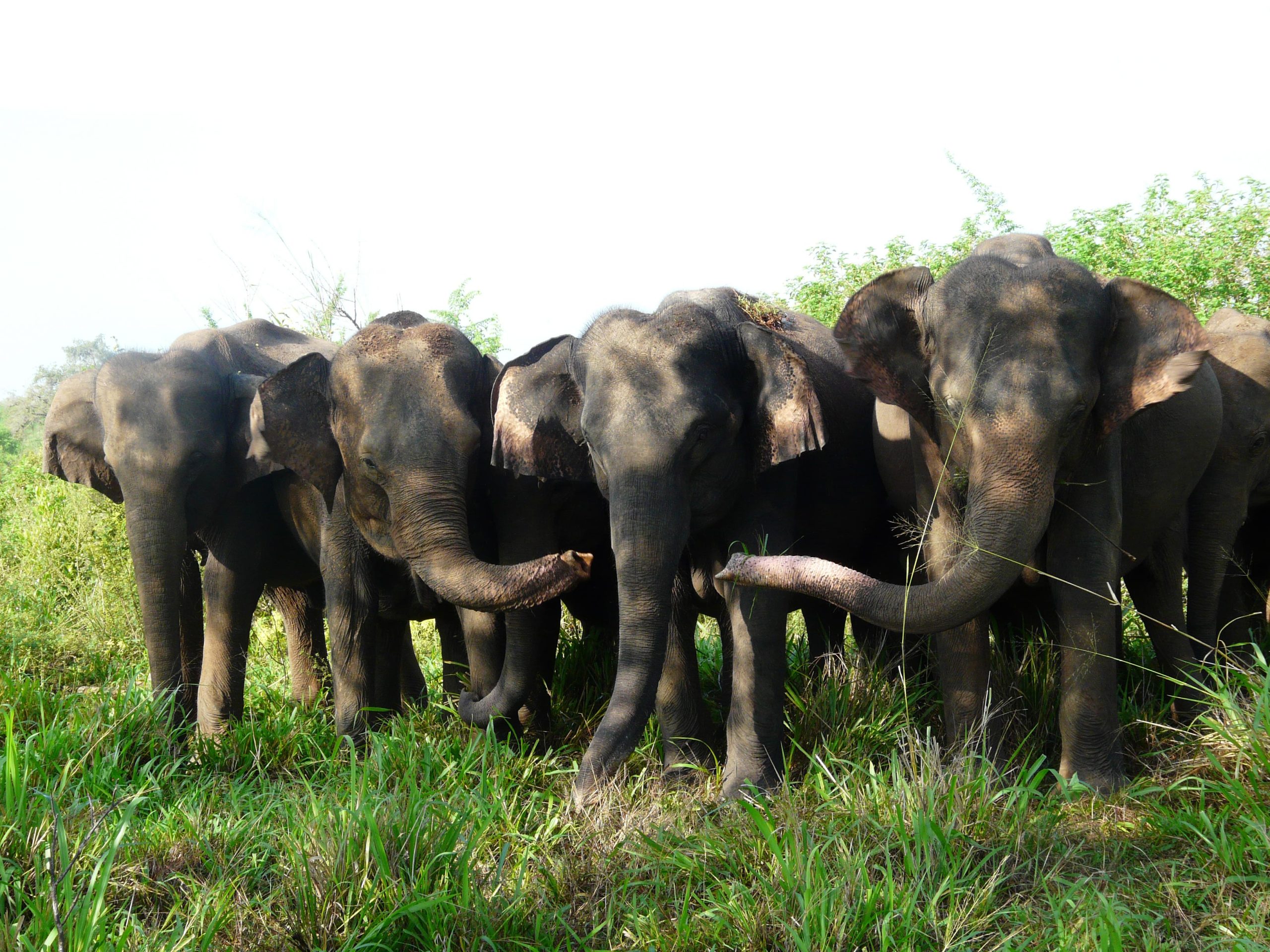
Asian elephants are highly intelligent animals with complex social relationships. Female elephants often form long-term, stable social bonds, working together to find food, obtain information about their environment, and care for their young. These relationships not only affect the survival of a single elephant, but also determine whether the entire elephant group can maintain stability.
The researchers found that in the early stages of the study, female Asian elephants in Udawalawe National Park formed larger, more closely connected social networks. Over time, these communities gradually changed, with previously interconnected groups becoming fragmented, with some elephants becoming less connected to other individuals, and eventually forming smaller, more isolated communities.
Study leader Anastasia Madsen, a postdoctoral researcher at the University of California, San Diego, said the research team observed that the rate at which elephant individuals are leaving the population and possibly dying is accelerating, but new individuals are not joining in time. As the size of the population shrinks, the social relationships that the remaining elephants can form will naturally decrease, but more concerning is that their relationships with each other are themselves changing.
The population slowly decreases, but the social structure may suddenly collapse
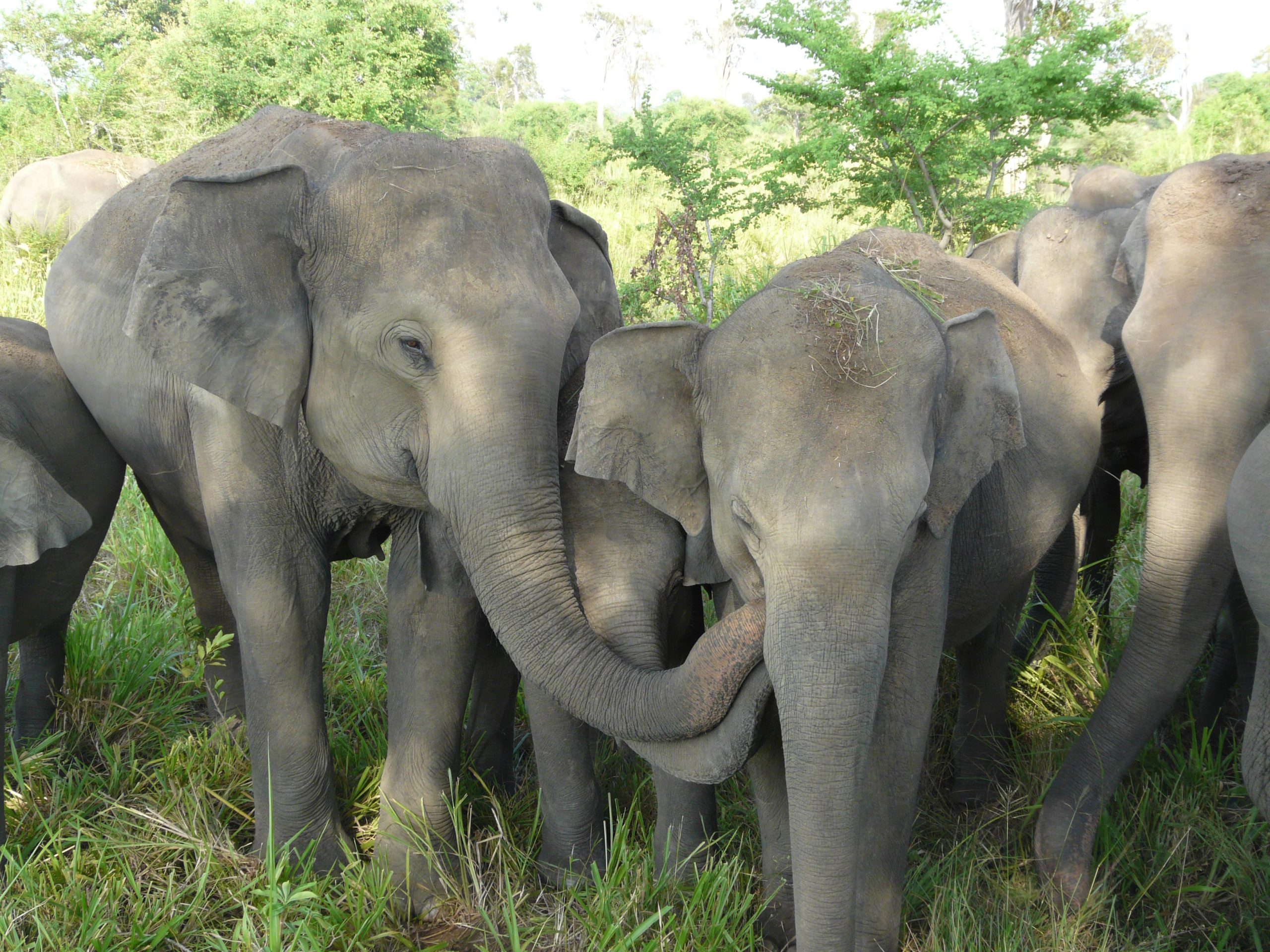
Researchers believe that this change in social structure is not caused by a single event, but is the result of the gradual accumulation of long-term population losses.
Poaching and human-elephant conflict have been mortality risks for many Asian elephant populations. In addition, elephants permanently leaving their original habitat and lack of new individuals may also cause the population to continue to shrink.
The research team also pointed out that the destruction of the connections between habitats and the reduction of food resources may further exacerbate the problem. Udawalawe National Park and its surrounding areas cover an area of approximately 119 square miles, and changes in the ecological environment may affect the range of elephants and the opportunities for contact between groups.
However, the researchers emphasized that these factors are currently considered possible sources of stress, and it is not yet certain how much influence they have on changes in social relationship networks.
The most important finding of this study is that there is an obvious temporal sequence between the continued decrease in population size and sudden changes in social networks.
The research team found that before the obvious fragmentation of the social relationship network occurred, the population had already experienced a process of accelerated individual replacement and gradual reduction in number for many years. In other words, the decline of a population may proceed slowly over a long period of time, but when losses accumulate to a certain extent, the entire social structure may undergo drastic changes in a relatively short period of time.
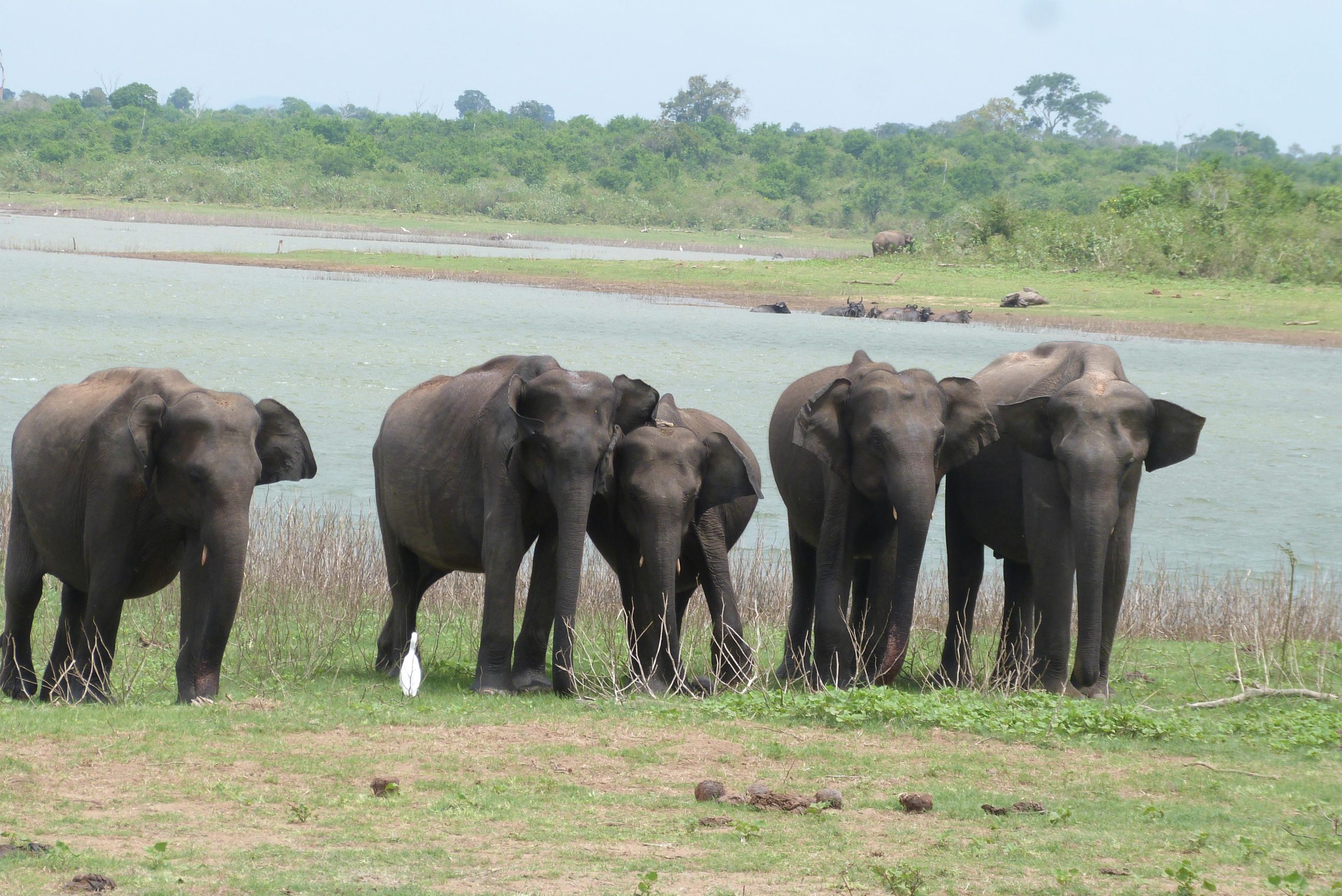
Researchers call this phenomenon social tipping point.
Madsen explained that when a population gradually loses members, the social network may remain stable temporarily, but once a critical point is passed, the original connection structure will quickly collapse. Even if the population recovers later, it does not mean that the original social relationships can be automatically re-established.
For elephants, social relationships themselves are survival resources
Researchers pointed out that the social relationship of elephants is not just a behavioral characteristic in animal groups, but is closely related to their obtaining food, learning survival skills and raising young elephants.
In complex social networks, individuals are able to obtain information from other elephants about food sources, water sources, and environmental changes. Cooperation between adult female elephants also helps protect young elephants and helps young individuals gradually integrate into the group.
When these connections are destroyed, the remaining individuals may lose partners they could have relied on, and the entire group's ability to obtain information and respond to environmental changes may also be affected.
Humans can also understand this social isolation, said Shermin de Silva, an associate professor at the University of California, San Diego. Although digital communication technology allows people to contact each other at any time, truly solid social relationships still require living together, sharing space, and being continuously established through long-term interactions.
She emphasized that for highly social species such as elephants and humans, the resilience of social groups depends not only on the relationships between existing members, but also on the ability to continuously build new connections to replace those that disappear over time.
Protecting elephants cannot only focus on population size
This study raises a new idea for wildlife conservation: Traditional conservation measures often focus on population size, mortality and habitat area, but for highly social species, simply counting the number of animals may not be enough to determine whether the population is truly healthy.
Even if there are still a certain number of elephants in an area, the entire population may still be vulnerable if the original social connections between these individuals have been lost.
Researchers believe that future conservation efforts should pay more attention to the social network between animals, observing whether individuals can continue to contact and establish relationships, and whether different groups can still maintain contact.
This also means that when protecting wildlife habitats, we must not only consider retaining a large enough living space, but also need to ensure that there are passages between different areas for animals to move freely, and to avoid long-term fragmentation of populations by roads, agricultural development and other human activities.
The research team hopes to use similar methods to study other animals with complex social structures in the future to further determine which environmental factors make it easier for animal groups to cross social critical points, and whether danger signals can be identified before the social network completely collapses.
This study reveals an easily overlooked issue in wildlife conservation: a population may not be on the verge of extinction in terms of numbers, but its internal social structure has begun to collapse. For Asian elephants, which rely on long-term relationships to survive, the loss of companions not only means a decrease in numbers, but may also mean the disappearance of the social system on which the entire group depends for survival.
Comments