
Abstract:
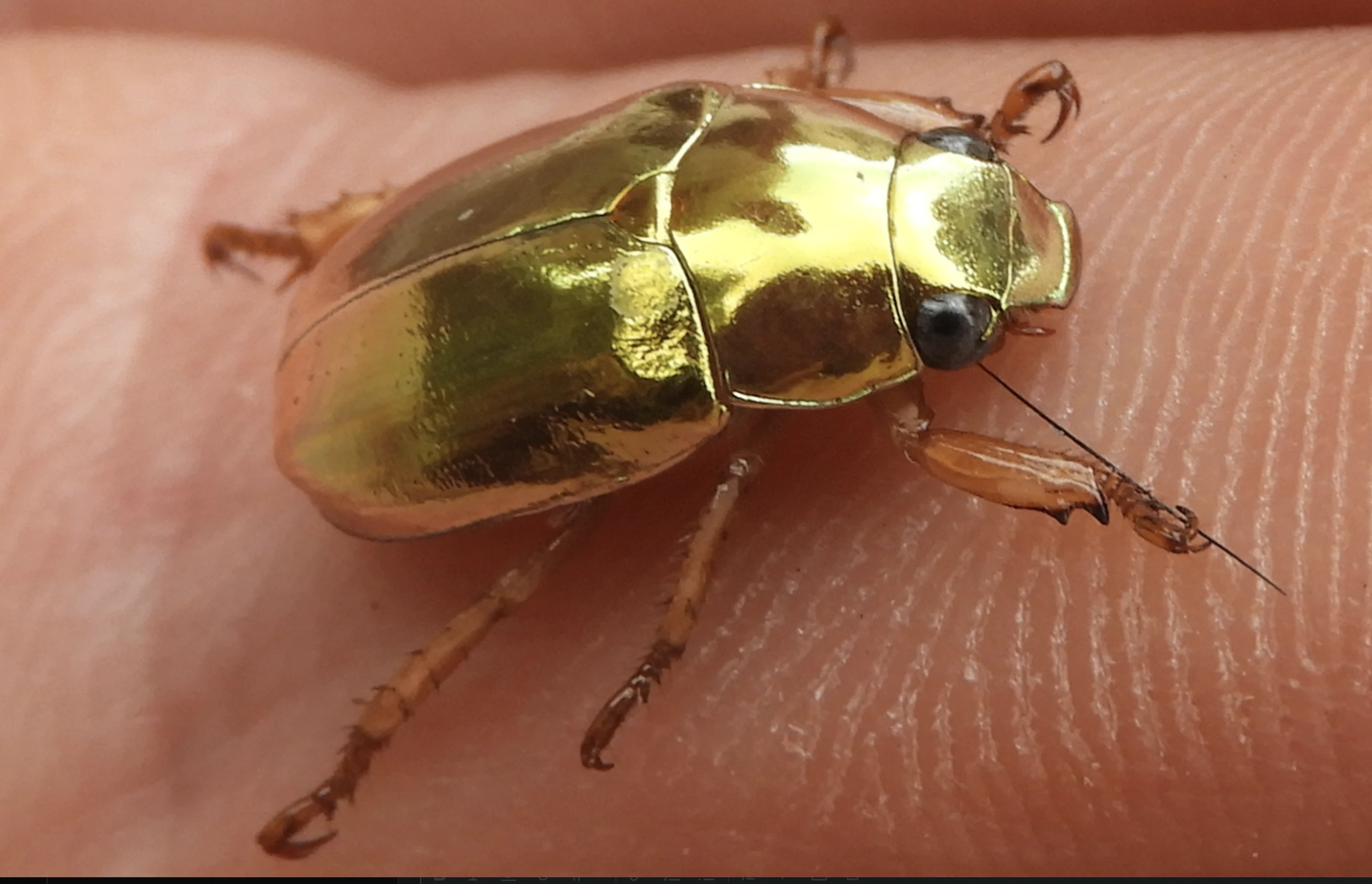
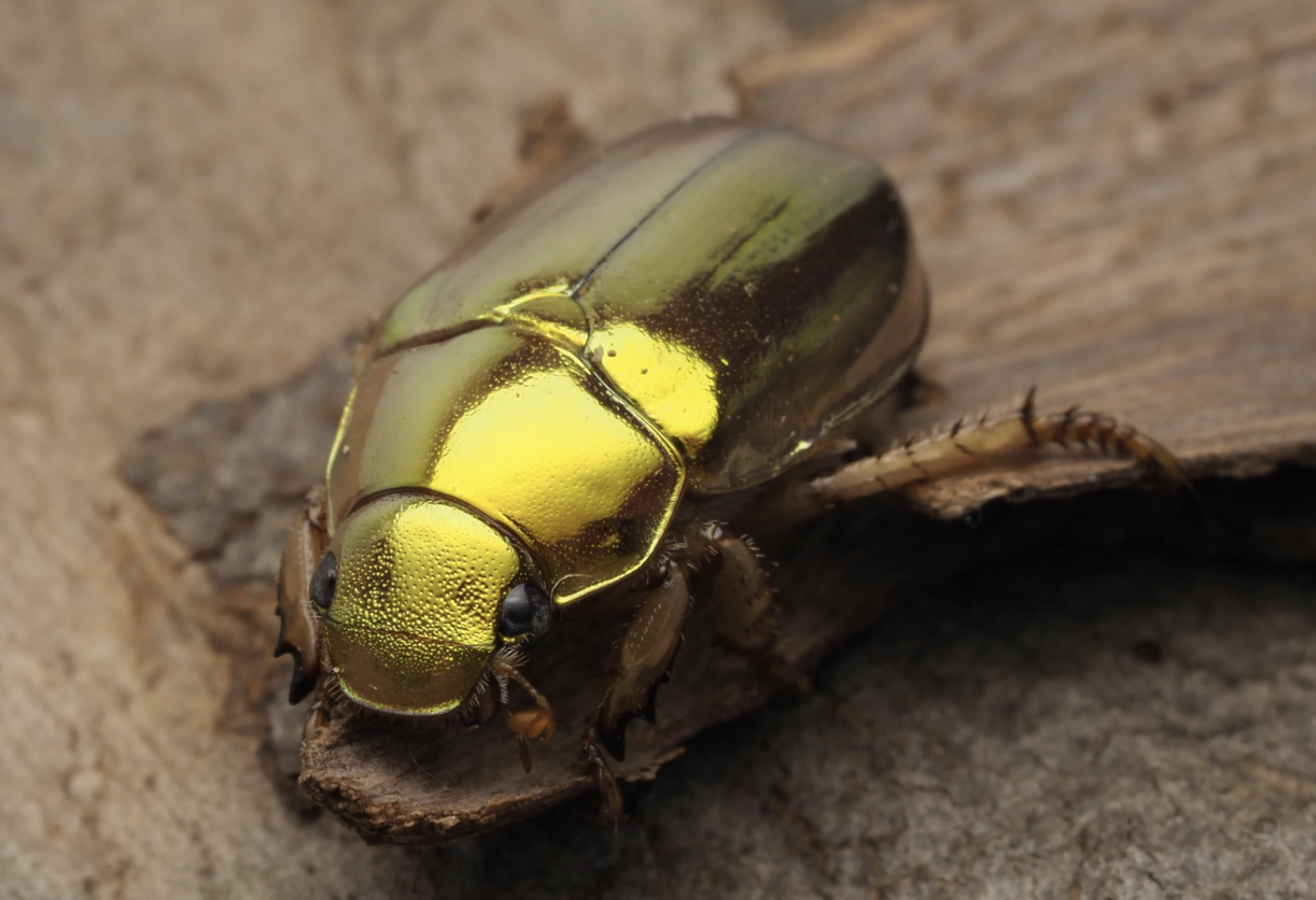
The golden Christmas beetle (Anoplognathus aureus) won the ABC's 2026 "Australian Insect of the Year" public vote, receiving 17,454 votes, accounting for 39.3% of the total votes. This event was held for the third time this year, with a total of 44,472 people voting, an 86% increase from 2025; the beetle comes from northern Queensland and often appears in the southern hemisphere summer, especially in December.
This year's voting will select the winner from six shortlisted insects. The tortoise-shelled ladybird ranked second with 11,069 votes, accounting for 24.9%; the Otway firefly larvae received 4,830 votes, accounting for 10.9%; the eye-stalked signal fly received 4,508 votes, accounting for 10.1%; the Malley coppery blue butterfly and the orchard swallowtail butterfly received 3,574 votes and 3,037 votes respectively, accounting for 8% and 6.8%.
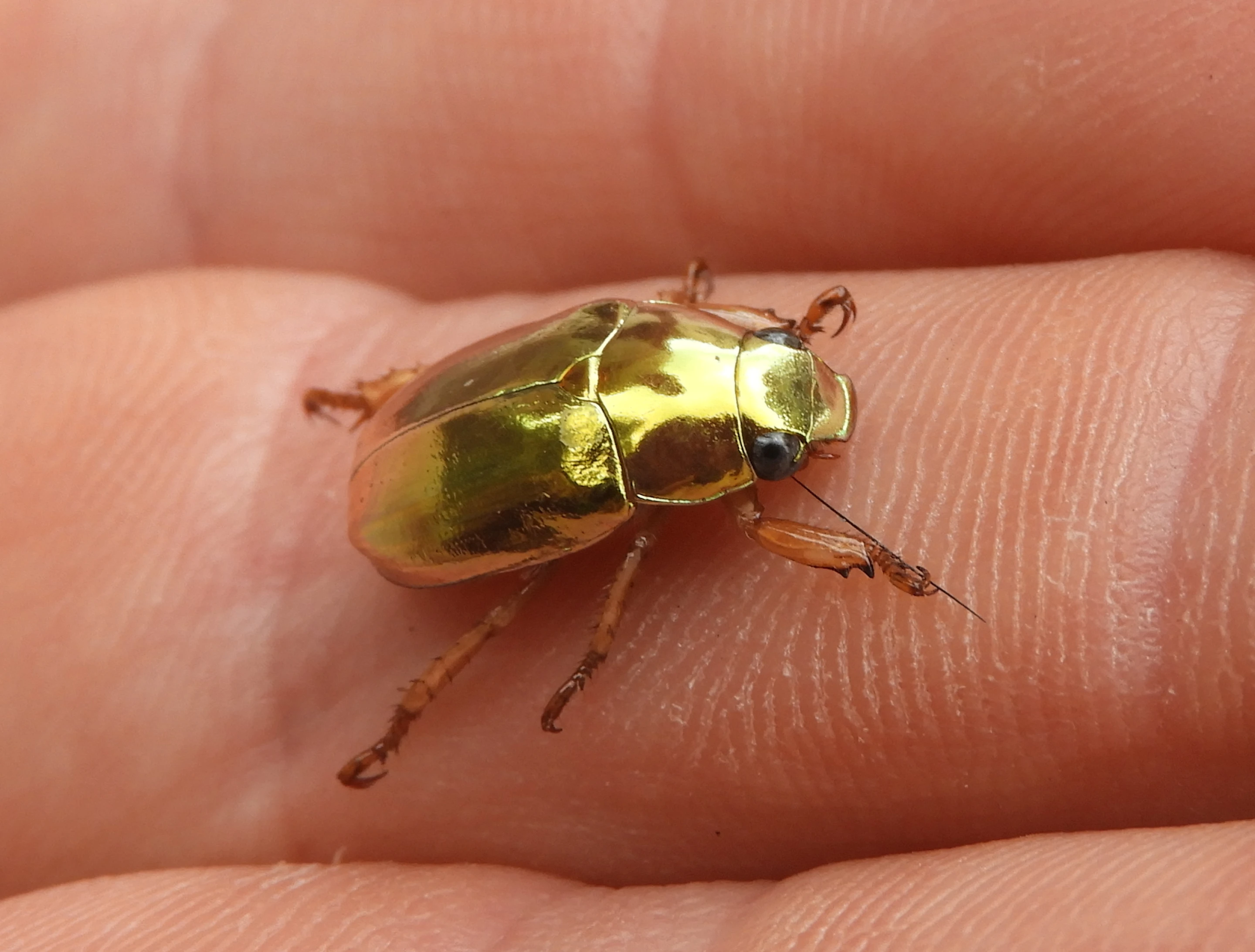
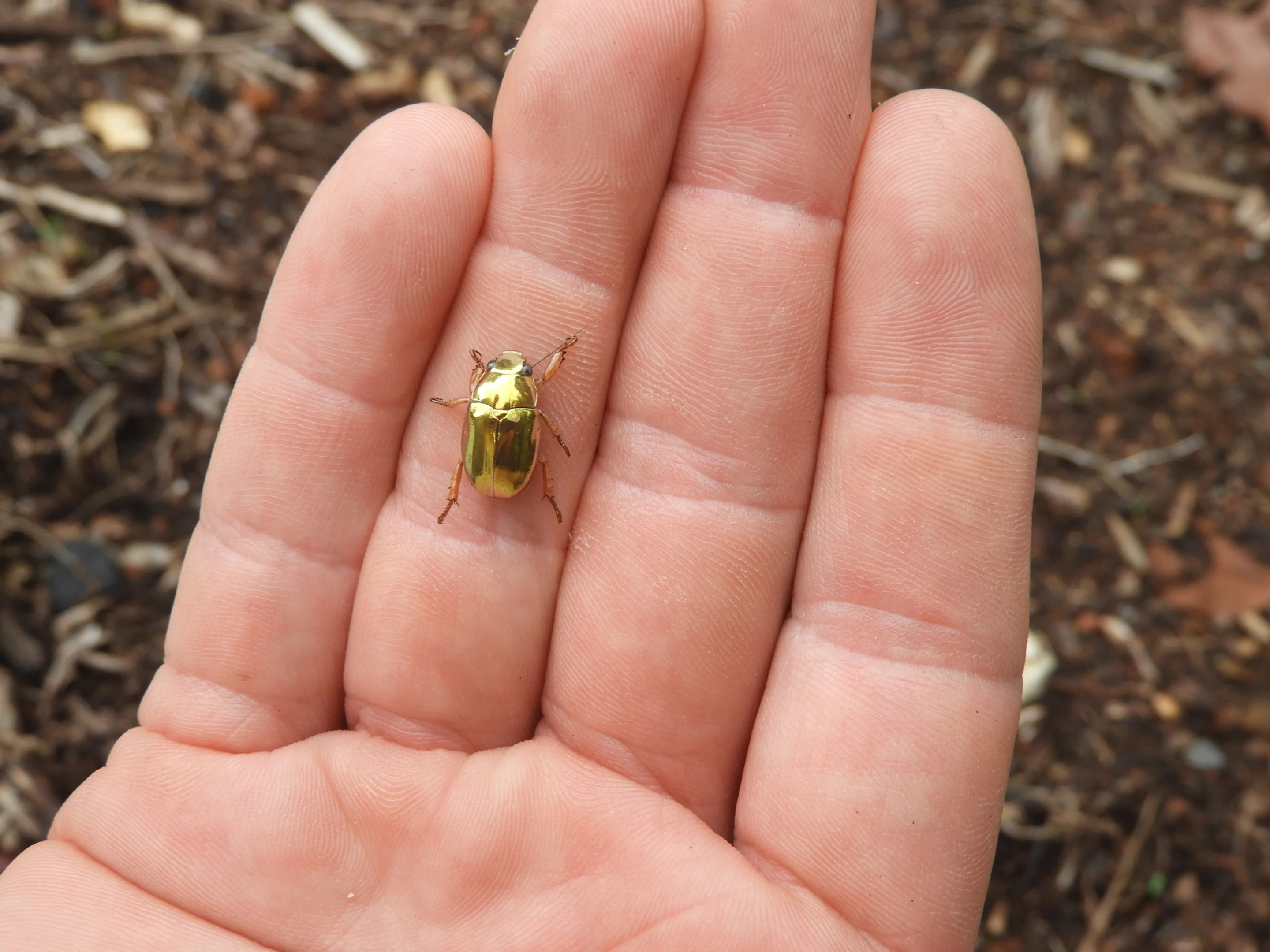
The golden Christmas beetle belongs to the scarab family. The adults have a metallic luster and usually feed on eucalyptus leaves; the larvae live in the soil and feed on grass roots. There are about 35 to 36 species of Christmas beetles in Australia, most of which are endemic to Australia. Adult beetles mostly appear in early summer. The female lays her eggs into the soil. The larvae usually grow in the soil for one to two years before emerging.
The selection also shines a spotlight on concerns about declining numbers of Christmas beetles. Entomologists point out that at least some Christmas beetle species face conservation issues, and some species have not been observed for decades; however, there is currently a lack of long-term population monitoring data, and the scientific community cannot yet confirm the extent of the overall population decline. Experts believe that habitat loss may be one of the threats, and Australia is using citizen science projects such as the "Christmas Beetle Survey" to encourage the public to record and upload sighting photos to help identify species, understand distribution and assess conservation needs.
The ABC "Australian Insect of the Year" selection will begin in 2024 and aims to increase public awareness of native invertebrates. The first edition was won by the blue-ribbon bee, and the champion in 2025 will be the patterned dragonfly; the number of voters this year hit a three-time high.
Comments