
Abstract:
Amazon’s heavily promoted drone delivery service is encountering unexpected resistance in some parts of the United States. Residents of Richardson, Texas, have recently collectively expressed dissatisfaction, saying that delivery drones flying frequently throughout the day have seriously affected daily life, and due to federal aviation regulations, local communities have few effective means to prevent related operations.
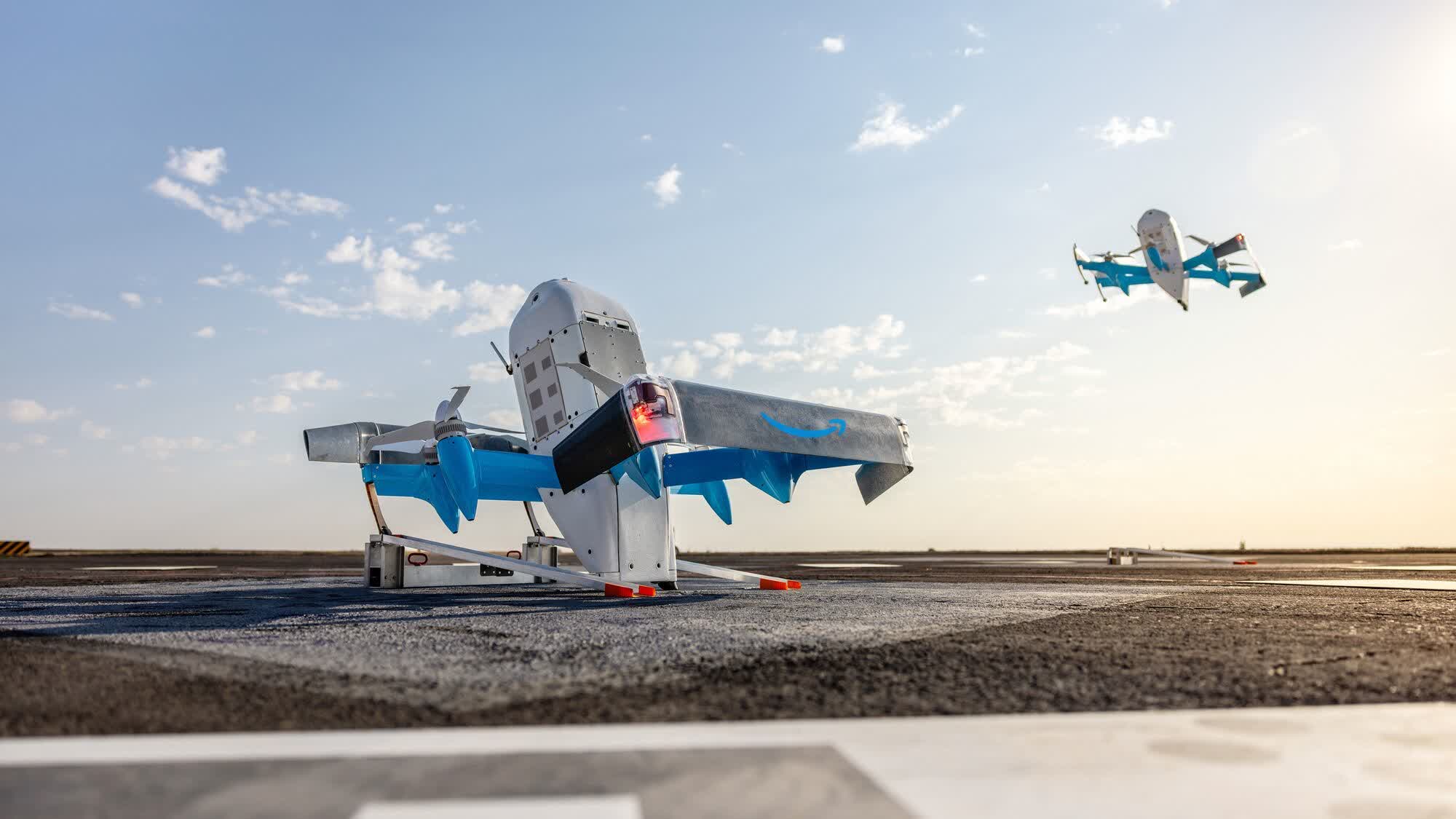
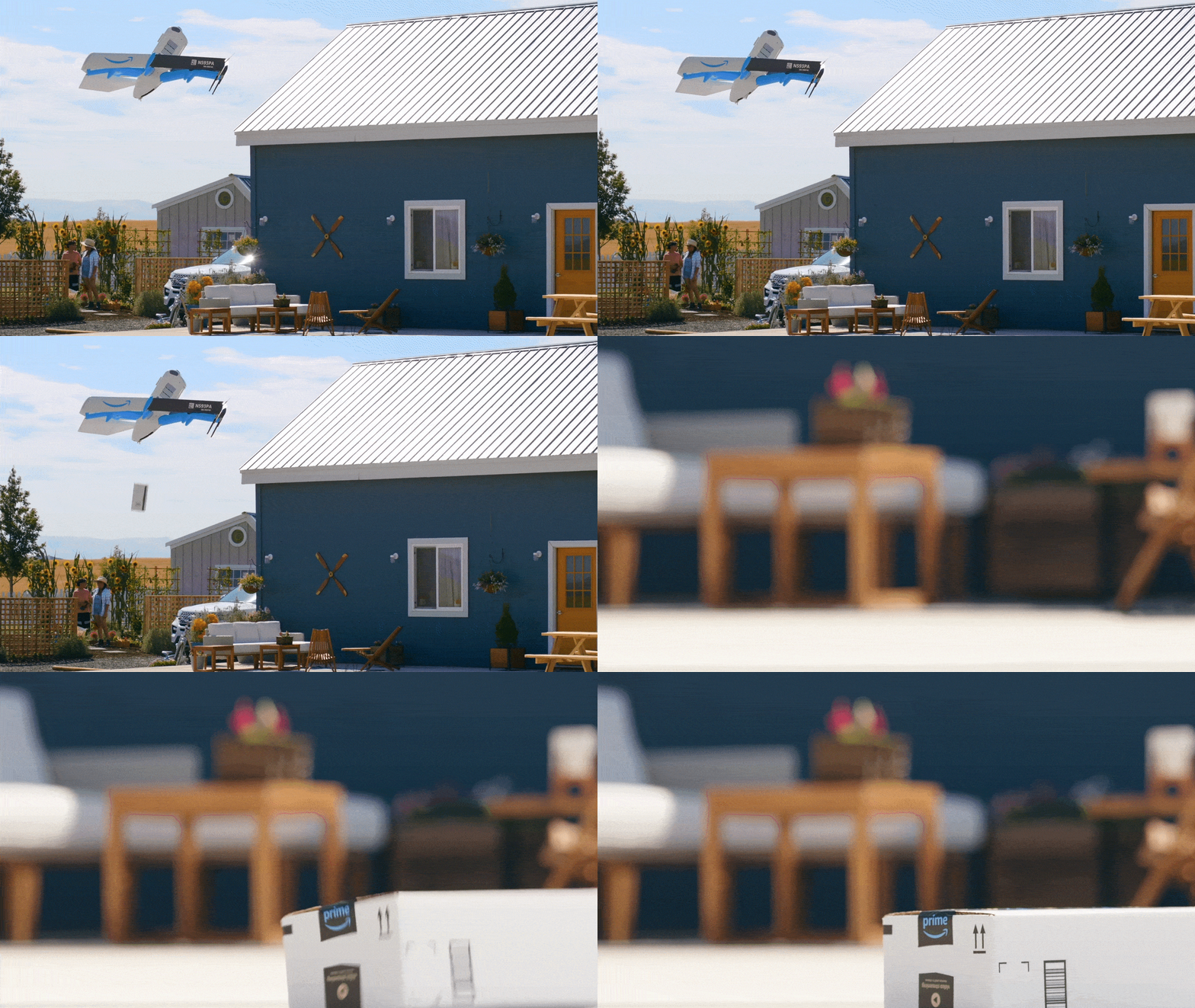
The City of Richardson approved the Amazon Prime Air drone delivery project last year. According to the plan, the drone takes off from the local distribution center and completes the delivery task within a service area with a radius of approximately 7.5 miles. Amazon said that users can place orders from tens of thousands of products, and some products can be delivered as quickly as 30 minutes, with each package weighing up to 5 pounds.
According to current rules, drones can perform delivery tasks between 7 a.m. and 8 p.m. every day. Amazon tells residents that the vast majority of its aircraft fly at about 225 feet above the ground, while the Federal Aviation Administration allows them to fly up to 400 feet.
For those living below the flight paths, however, the problem is not so much flying high, but flying too often.
A resident who has been recording drone activities for a long time found that on a day that he considered relatively "calm", there were still 52 drones flying over his residence. Some residents said that from early morning to after dinner time, they could continue to hear the noise of drones flying back and forth, like a never-ending flow of air traffic.
Some residents described the drone as making a sound similar to a hovering lawn mower, while others compared it to a hovering swarm of bees. More troubling than a single drone passing by is the frequency of flights that persist throughout the day.
Local resident Nikki Anderson said her family used to relax in the backyard pool and outdoor areas, but the constant noise from drones has changed that. She believes that even if the drone itself is technologically advanced, it does not mean that surrounding residents must unconditionally accept the impact it brings.
Another issue residents raised was privacy.
As delivery drones frequently fly over residential areas, many families are worried that the cameras and navigation equipment carried by the drones will capture private activity areas. Although the local government has stated that drones mainly rely on low-resolution sensors for navigation and safe flight, Amazon admitted that during delivery and landing, the camera system may record nearby people, vehicles, pets, and other environmental information.
Amazon stated that all related images will be strictly protected and only authorized personnel can access the relevant data. At the same time, residents can also apply to opt out of some related recording functions for specific addresses.
In the face of complaints from residents, Amazon insists that overall feedback remains very positive.
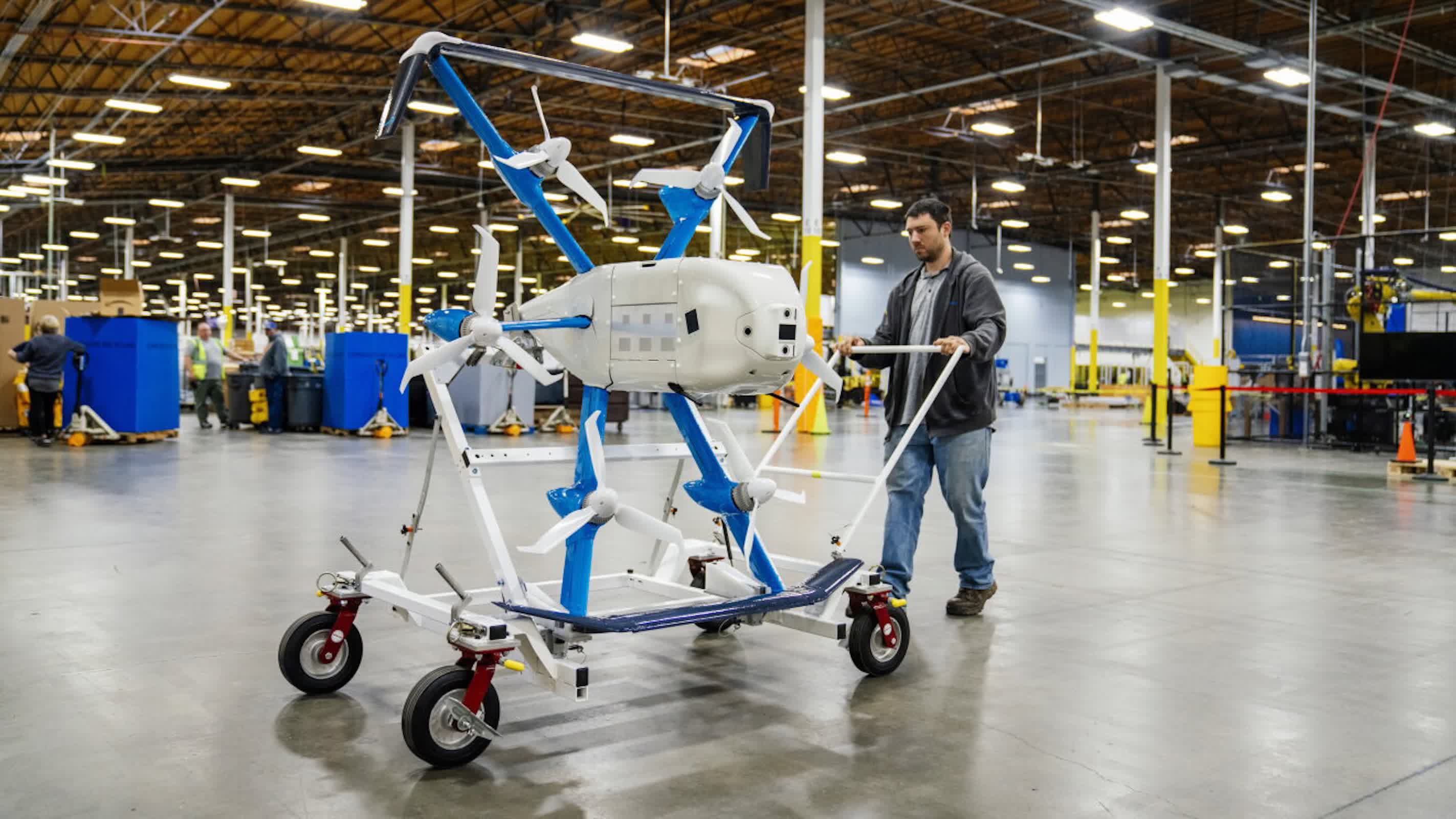
A company spokesman said that noise-related issues accounted for less than 1% of the inquiries received about Prime Air this year. Amazon believes drone noise is closer to that of a household fan running at low speed, and even quieter than a passing car.
However, local residents obviously do not agree with this statement. They believe the problem is not the amount of sound produced by a single flight, but that entire communities are blanketed by constant drone activity.
In fact, this is not the first time that Amazon’s drone project has caused controversy. Earlier this year, Prime Air temporarily suspended service after a mid-air collision between two drones in Arizona before resuming operations.
Despite the controversy, Amazon is not slowing down its expansion plans. The company previously announced that it hopes to expand Prime Air service to 500 towns and cities across the United States by the end of this year. Retail companies such as Walmart are also developing similar drone delivery networks.
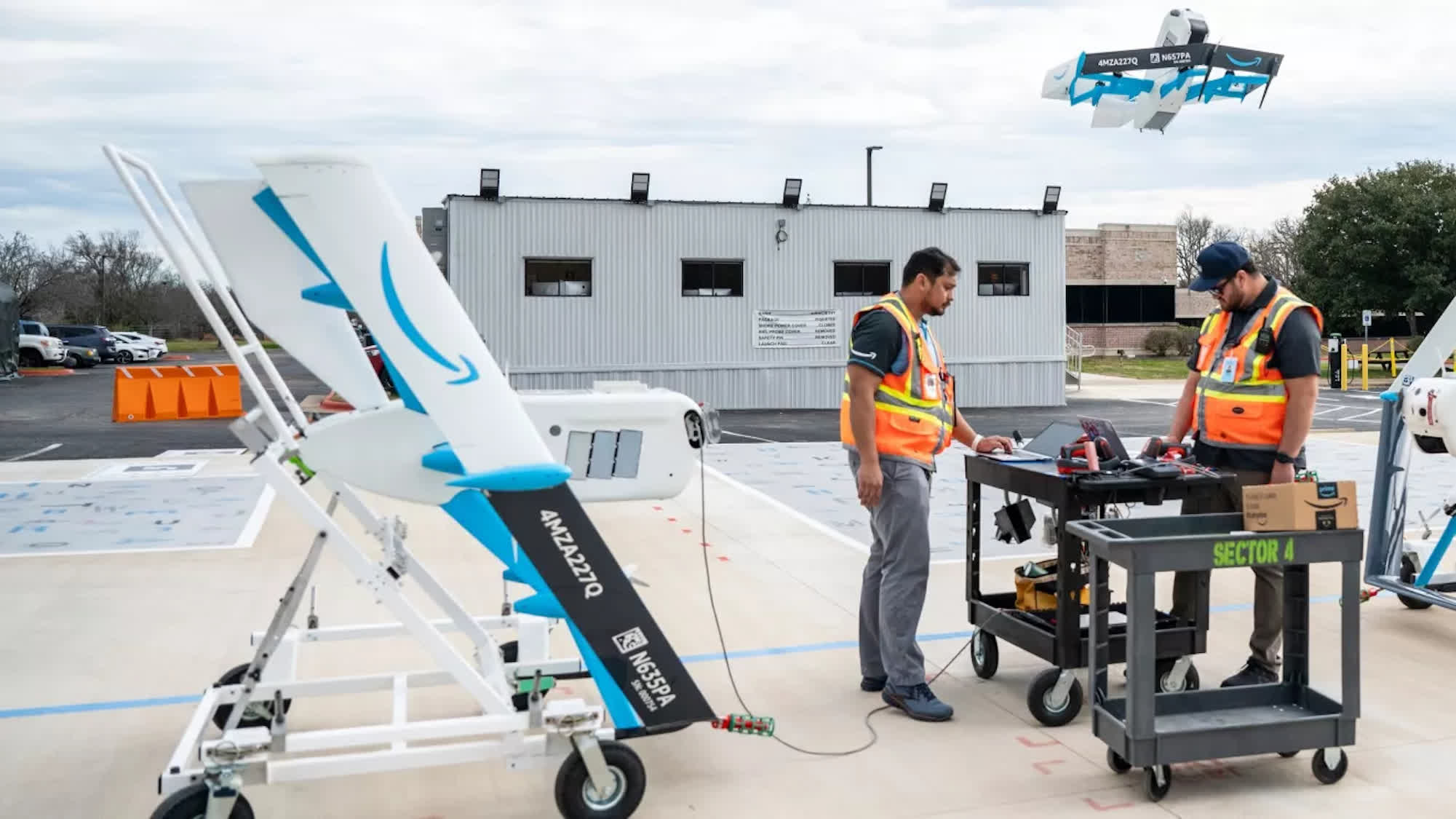
Analysts believe that the controversy in Richardson may be just the beginning of a larger discussion to come. As drone delivery gradually transforms from a pilot project into a regular logistics service, how to balance delivery efficiency, residents' quality of life and privacy protection will become a new issue that the entire industry must face.
For Richardson residents, what they are facing is not just a new technology, but a new type of infrastructure that is changing the community environment. Under the current regulatory framework, these residents find that they have very limited influence on the increasing number of drone routes overhead.
Comments