
Abstract:
Amazon is reportedly negotiating an asset financing arrangement with investors. It plans to transfer Nvidia's advanced chips worth approximately US$8 billion to a special purpose entity, and then lease back the equipment from the entity to continue to be used in its own data centers, while allowing the asset burden and part of the financing risk to be borne by external investors. The proposal is still in the discussion stage and has not yet become a completed deal.
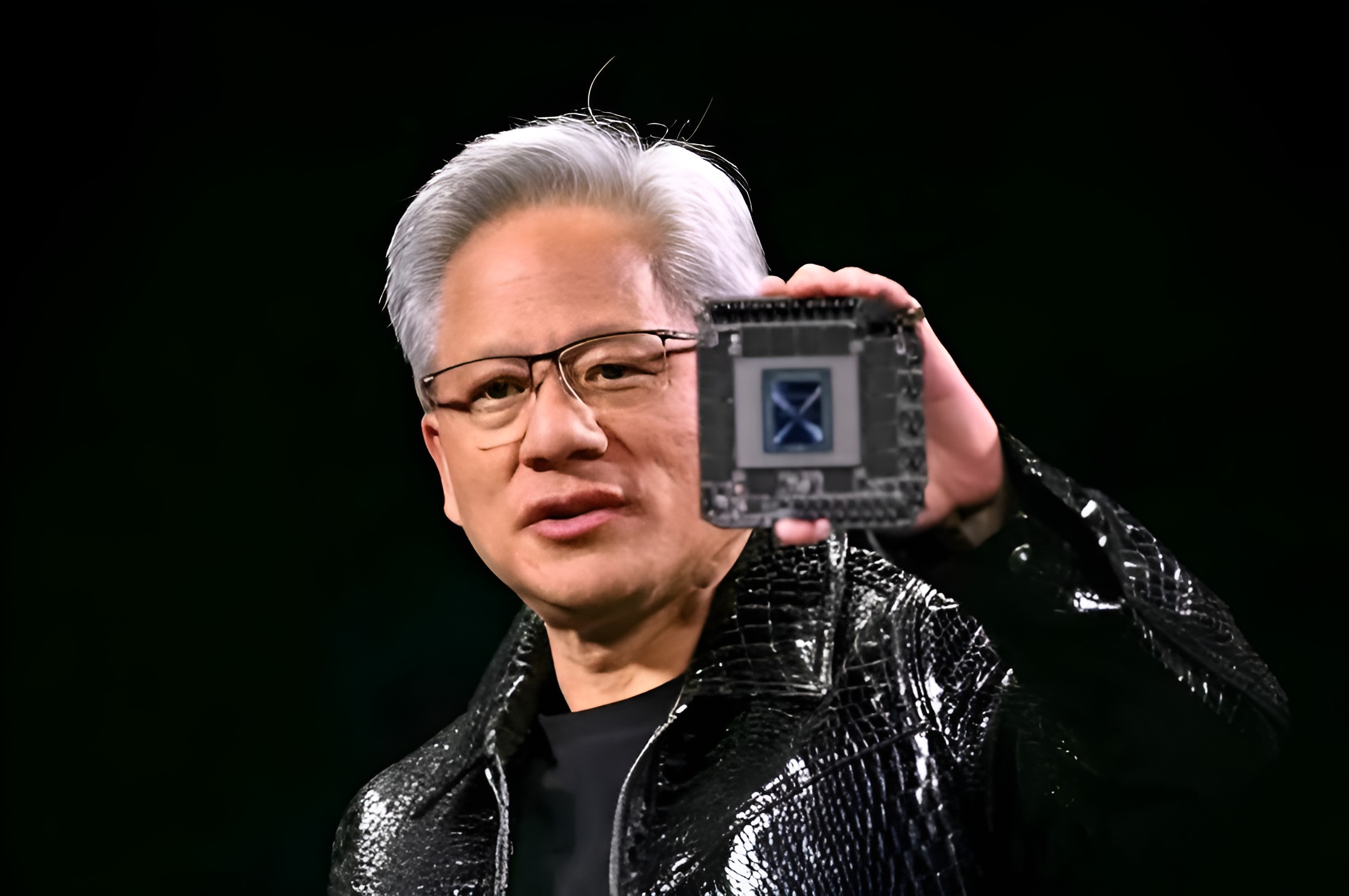
It is reported that thousands of Grace Blackwell chips are involved and have been installed in more than a dozen data centers in five states in the United States, including Nevada and Virginia. Chips are purchased or leased by Amazon. The proposed special purpose vehicle could raise capital from outside investors through the issuance of debt, and Amazon also plans to offer investors up to 10% equity in the entity. If the deal goes through, Amazon can adopt a lighter asset financing structure while maintaining the right to use the equipment; however, the specific accounting treatment and risk allocation still depend on the final agreement. Amazon and Nvidia did not immediately respond to requests for comment.
The arrangement comes as financial markets reassess whether GPUs can serve as collateral for long-term financing. Nvidia announced in August that it planned to establish an independent computing power financing platform with Apollo, BlackRock, Blackstone, Brookfield, Goldman Sachs and KKR, with the goal of mobilizing more than US$500 billion in third-party capital over time to support the construction of AI infrastructure. NVIDIA stated that this number is the total amount of third-party funds planned to be pooled by multiple platforms, and is not NVIDIA's own income, single fund size, or investment commitment to a certain customer; the relevant cooperation still needs to implement a final agreement.
Nvidia claims that its GPUs and the entire AI factory system are versatile, transferable to different customers or operators, and can extend their economic life through software upgrades. The company said that some projects can provide residual value support equivalent to up to 25% of the project scale on a case-by-case basis. Some banks and asset managers on Wall Street are concerned that GPU technology iterates rapidly and the long-term resale value lacks sufficient historical data to support it; banks usually evaluate GPUs based on a depreciation cycle of about 3 to 4 years, while Nvidia believes that high-end chips may bring up to ten years of revenue. Financiers may therefore require stronger guarantees, higher interest rates or more adequate debt repayment protection.
Reuters pointed out that some financing transactions in preparation may include stronger guarantees and customer contracts to increase investor certainty. Existing GPU mortgage loan cases also show that stable customer payment commitments will affect the risk judgment of financiers: CoreWeave previously received US$8.5 billion in investment-grade GPU mortgage financing, and the loan rating relied heavily on Meta's contract payments. Amazon’s proposed deal shows that cloud service providers are also trying to turn expensive AI chips into bankable assets, but this does not prove that the market has generally accepted that GPUs have long-term stable mortgage value.
Comments