
Abstract:
AMD is said to have raised the price of GDDR6 video memory supplied to graphics card partners starting from October 1, 2026. This means that the production costs of AMD graphics card partners will further increase, and the new costs may be gradually passed on to end consumers. As the price of video memory continues to rise, and the cost of PCB and other electronic components rises simultaneously, the graphics card market may face a new round of price pressure.
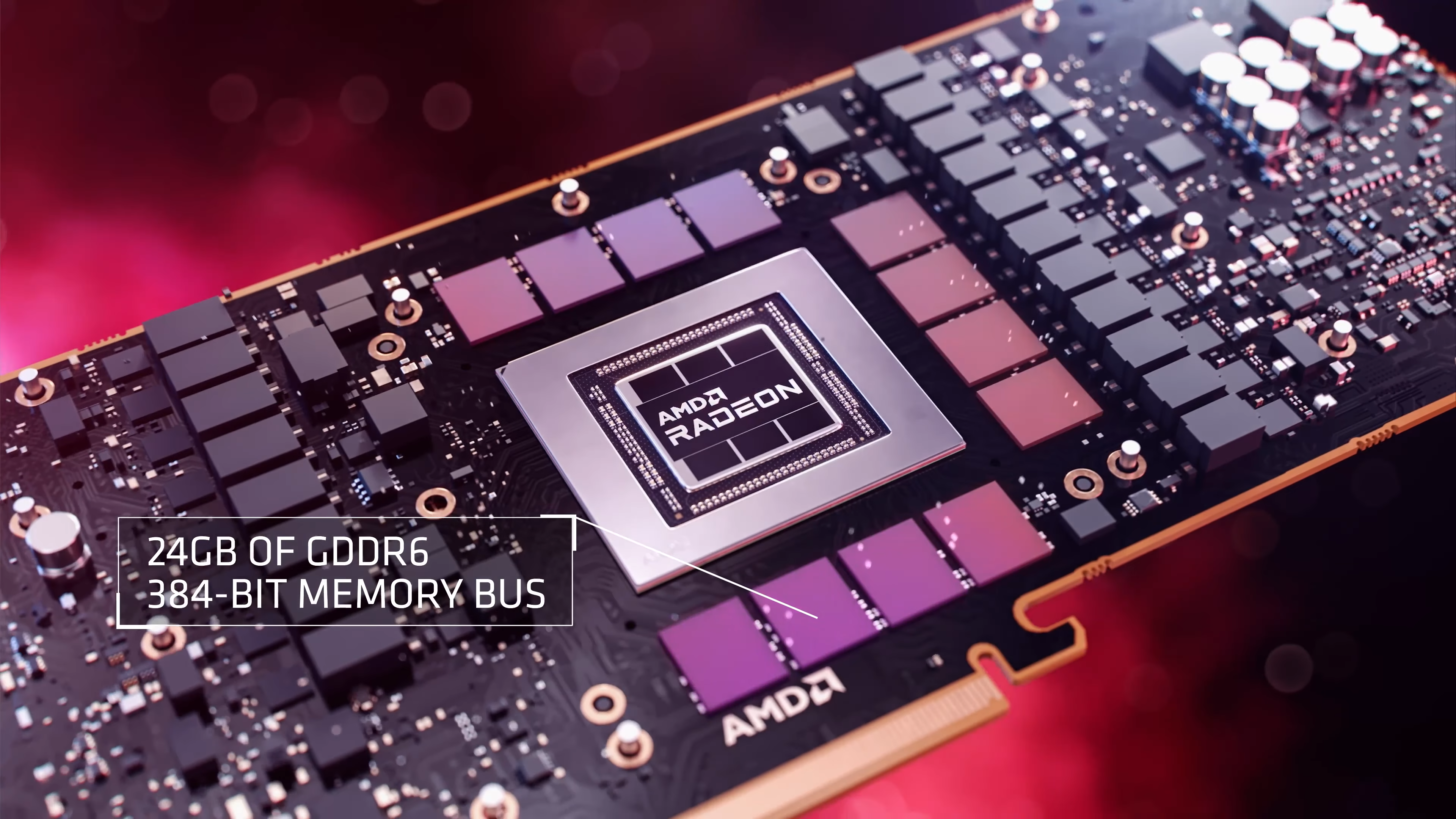
According to Chinese supply chain channel Boban Tang, AMD has notified its graphics card partners that the new GDDR6 graphics memory price adjustment will officially take effect on October 1. At present, AMD has not made a formal announcement publicly, so the relevant information still belongs to the supply chain news.
GDDR6 is the type of video memory used in multiple generations of AMD Radeon graphics cards, including the Radeon RX 5000, RX 6000, RX 7000 series, and the RX 9000 series using RDNA 4 architecture. Since some old graphics cards have been discontinued or production has gradually decreased, this round of price adjustments is expected to have a more obvious impact on the RX 9000 series, which is still in the main sales stage.
For graphics card manufacturers, video memory is not an ordinary accessory that can be easily cut. Video memory capacity, bandwidth and operating frequency directly affect the performance of the graphics card, and each graphics card requires a certain number of video memory chips. Therefore, once the purchase cost of graphics memory rises significantly, the material cost of graphics cards will be directly affected.
AMD has previously adjusted its graphics card supply prices to partners many times. In July 2026, market news pointed out that AMD would increase the supply price of GPU and video memory combination kits by about 10%. Such kits usually include GPU cores and matching video memory, which are provided by AMD to partners such as Asus, Sapphire, and XFX, who are then responsible for producing and selling complete graphics cards.
It should be noted that the 10% price increase of the GPU and video memory kit does not mean that the retail price of the entire graphics card will necessarily increase by 10%. The final selling price of the graphics card also includes PCB, power management components, radiator, fan, manufacturing costs, transportation costs and channel profits. Whether partners pass on all new costs to consumers will also affect the final price change.
However, video memory has become one of the important sources of current graphics card cost pressure. According to previous reports from BenchLife, in addition to GDDR6 and GDDR7 video memory, components such as surface mount components and printed circuit boards are also facing price increases or extended delivery cycles. This means that graphics card manufacturers are not subject to price increases on a single component, but on the cost of the entire supply chain rising simultaneously.
There is another noteworthy comparison in this round of adjustments: NVIDIA is said to have not notified its partners to increase the price of GDDR7 video memory. NVIDIA's GeForce RTX 50 series mainly uses GDDR7 video memory, and the cost of this new generation of video memory is itself higher than GDDR6. Previous increases in graphics memory prices have had an impact on the selling prices of RTX 50 series graphics cards. Therefore, there is still uncertainty whether NVIDIA will further adjust graphics memory supply prices in the fourth quarter of 2026.
If NVIDIA temporarily maintains the current GDDR7 supply price, and AMD continues to increase the price of GDDR6, the difference in graphics card costs and pricing strategies between the two manufacturers may further expand. However, different types of video memory, different product positioning, and respective supply contract arrangements will all affect the final result. You cannot judge which manufacturer's graphics card will be more expensive based on just one price adjustment.
The current changes in the graphics memory market are closely related to the rapid expansion of the artificial intelligence industry. AI servers require a large amount of high-bandwidth memory (HBM) and server DRAM. Therefore, memory manufacturers continue to adjust production capacity allocation and invest more resources into data center products with higher profits and strong demand. The production capacity space obtained by consumer-grade video memory has been squeezed, which has also caused products such as GDDR6 to face the pressure of tight supply and rising prices.
For graphics card manufacturers, the problem is not only the increase in the unit price of graphics memory, but also whether they can obtain sufficient supply at a reasonable cost. If the graphics memory delivery cycle is extended, partners may need to purchase in advance, increase inventory, or adjust product production plans. These factors may further increase operating costs.
The pressure faced by AMD deserves special attention. In recent years, the company has hoped to improve its competitiveness in the gaming graphics card market through the Radeon RX 9000 series and compete with NVIDIA in terms of price and performance. If the cost of video memory and other components continues to rise, AMD and its partners will face greater challenges in maintaining product price competitiveness.
For consumers, the increase in graphics memory supply prices does not mean that all Radeon graphics cards will immediately increase in price. Inventory that has been produced and entered the channel may still be sold at the previous cost; there are also differences in the memory capacity, supply contracts and inventory status of different graphics card models. However, when old inventory is gradually sold out and partners need to purchase a new batch of GPU and video memory kits at higher prices, the pressure to increase prices may become more obvious.
Especially for high-end graphics cards with larger memory capacity, changes in memory costs may have a more obvious impact on the material cost of the entire card. However, the specific impact still depends on the purchase price of video memory, product design and manufacturer's cost structure. There is currently not enough information to calculate how much each model of graphics card will increase.
Generally speaking, AMD’s alleged increase in GDDR6 graphics memory supply prices is another signal that cost pressure in the consumer graphics card market continues to rise. The artificial intelligence industry's competition for memory production capacity, the supply situation of video memory, and changes in the prices of other electronic components are jointly affecting the cost structure of graphics card manufacturers.
What is worthy of attention next is whether AMD partners will further adjust the retail price of Radeon graphics cards, and whether NVIDIA will take similar measures on GDDR7 supply prices in the fourth quarter. Before the relevant manufacturers officially announce the information, there is still uncertainty about the specific price increase and the final retail price, but the rising cost of video memory has become a variable that cannot be ignored in the graphics card market.
Comments