
Abstract:
A ten-year archaeological study shows that the ancient humans who lived in Western Australia nearly 50,000 years ago were not "desperate hunters" who were forced to hunt, but were hunters who were good at planning and knew how to make choices. They have enough resources to choose their food according to seasonal and environmental changes, even eating only the most nutritious parts of their prey.
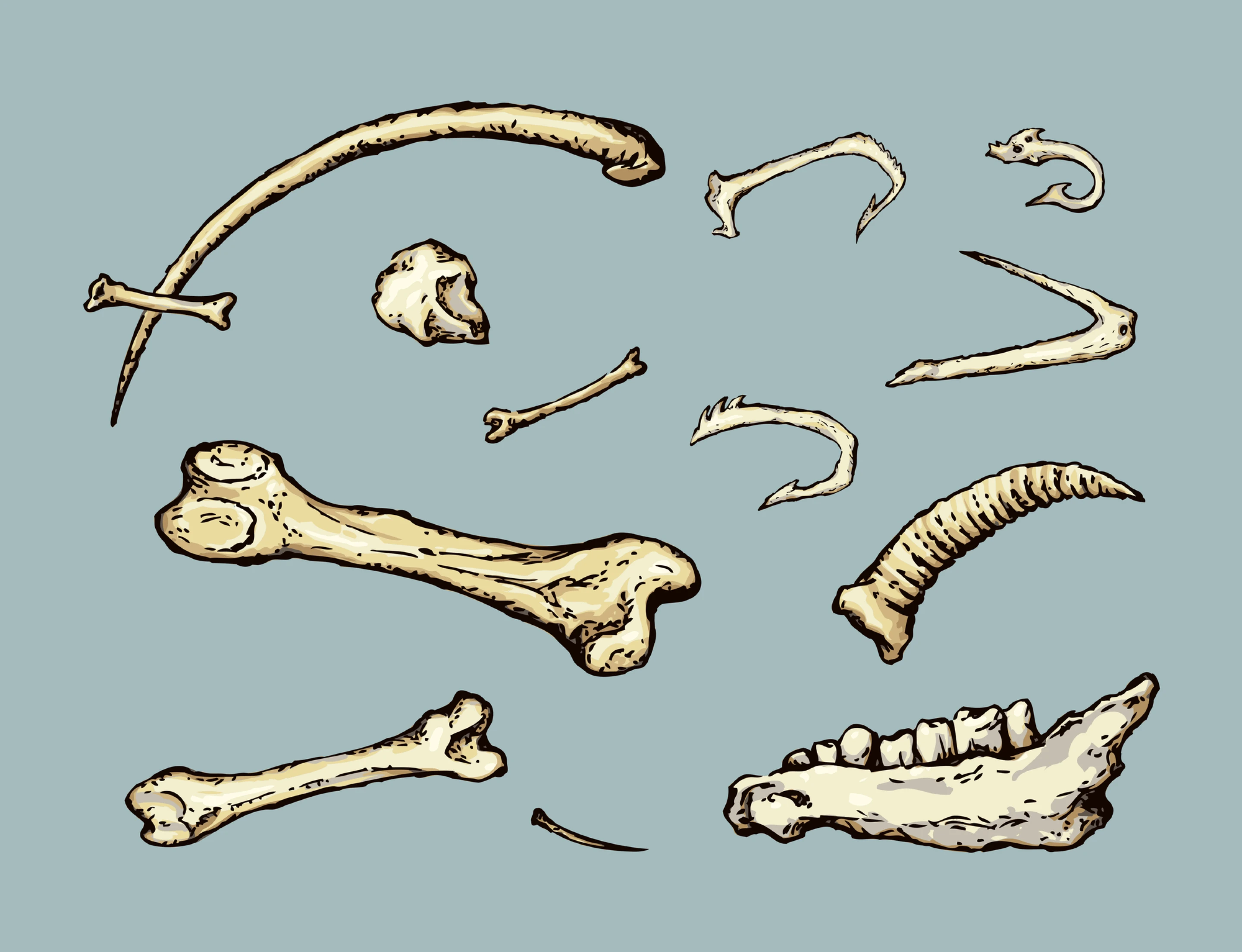
The study, led by researchers from the University of Queensland, analyzed animal bones found at Barrow Island and Reevey sites in Western Australia and found an unexpectedly rich variety of fossils. What really challenges the long-term view of the academic community is not only the species of these animals, but also the state of preservation of the bones. In the past, it was generally believed that ancient humans favored only a few types of prey, and were only forced to expand their diets when these "favorites" became scarce.
Associate Professor Tina Mann, one of the leaders of the study, said that the hunting methods of Australian Aboriginals are far more complex and strategic than people think. Flexibility, rather than sticking to a few prey, is the smart way to survive in an unpredictable climate, she said.
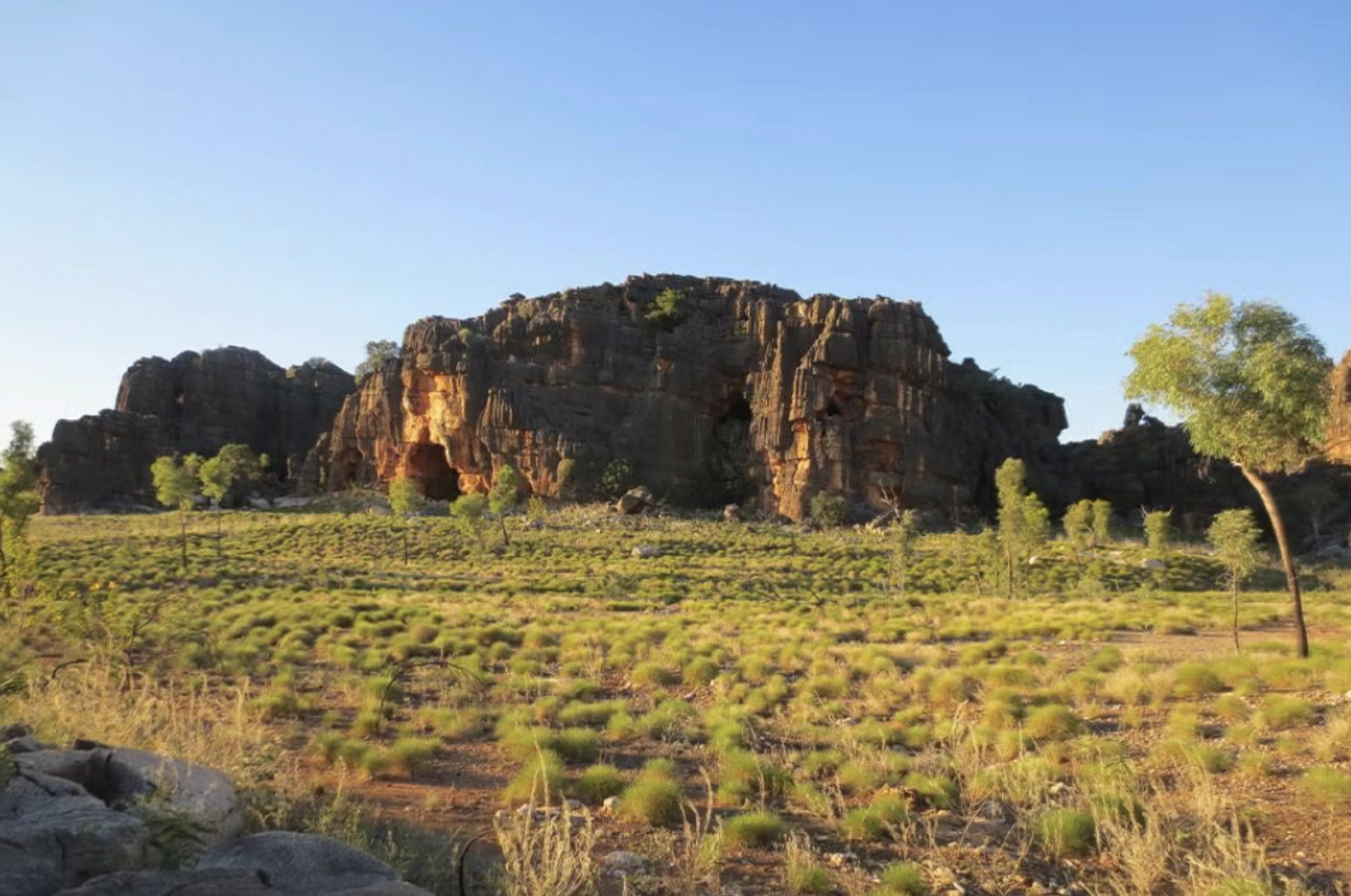
In the Livi limestone caves near the Great Sand Desert, ancient humans hunted kangaroos, echidnas, possums, flying foxes, lizards and snakes. On Barrow Island, when the island was still connected to the mainland due to lower sea levels, the locals' diet was different but equally diverse, including wallabies, turtles and reef fish.
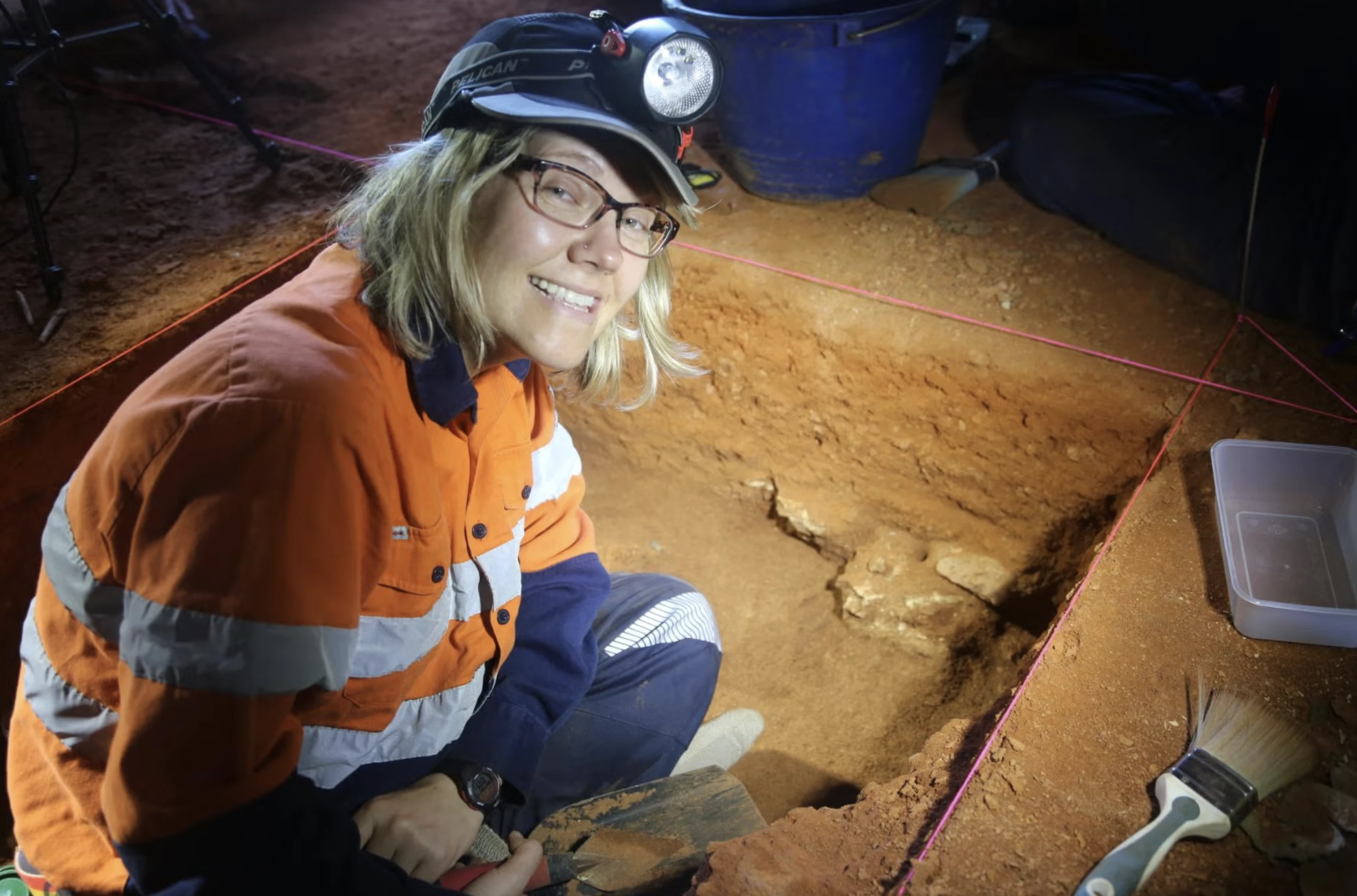
The researchers also found that many bones remained jointed, indicating that these ancient humans only removed the most nutritious parts of their prey and discarded the rest. Mann believes this is not the behavior of someone who is short of food. Instead, they have the ability to be picky, and their wide-ranging recipes reflect choice, not scarcity.
The study pointed out that in a land with unpredictable rainfall, a rich variety of food means "abundant resources", and flexibility is the best strategy. Mann explained that Aboriginal people passed down a lot of ecological knowledge through oral history, not only knowing how to find prey, but also knowing which prey was most suitable based on the season and specific environment.
For example, when water and grass are plentiful, large kangaroos are scattered across vast land and are difficult to capture; while under drought conditions, they gather near waterholes and are more likely to be ambushed. Smaller animals like bandicoots are also a good choice during drought as they will switch to eating insects to keep them fat. Hunters who know how to keep a variety of options open can switch between different prey species as the environment changes.
These findings also provide further evidence of Australia’s Aboriginal people’s long and ongoing connection with the land and their deep understanding of seasonal changes. This knowledge constitutes, in a sense, the ancient calendar.
Although the study focused on an area in Western Australia with a specific environment and animal diversity, the researchers believe that key evidence, such as jointed bones, suggests that ancient human diets may have been more nuanced and complex than academic circles have long assumed. Mann said the work prompts archaeologists around the world to rethink how they interpreted ancient people's dietary choices and diversity in the past.
The research team also thanks the Mimbi community and the Gunyandi people for their assistance in field research and excavation of the Livi site, as well as the Taraniji ancestors, land and descendants for their guidance and support in the research on Barrow Island. Relevant results have been published in the Proceedings of the National Academy of Sciences of the United States.
Comments