
Abstract:
On August 31, John Ternu will succeed Tim Cook Cook becomes Apple's new CEO. Bloomberg's "Business Weekly" published an article saying that Ternus's first task after taking office will be to develop the currently lagging AI business. However, Cook will still play an important role in Apple after leaving office, which makes the outside world feel that Ternus is just a continuation of the Cook era.
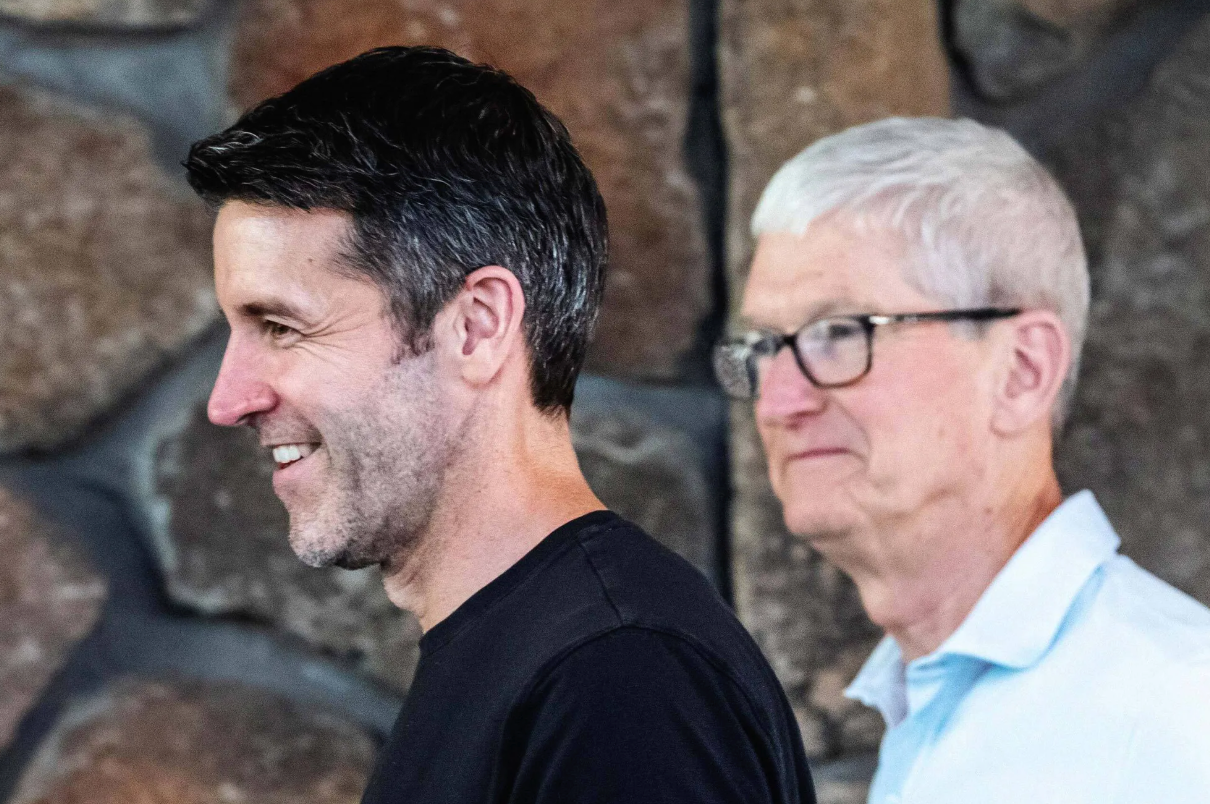
Ternus will take over from Cook
Ternus will officially take over as Apple CEO on September 1, but there won’t be much time left for him because Apple will soon begin its annual autumn new product launch. This year's product lineup will be particularly large, including many products he has been warming up within the company over the past few months, such as the first foldable screen iPhone and a smart display that can identify the speaker's identity and adjust the content according to different users.
He previously led the development of these products when he was Apple's hardware chief, and also oversaw products that would not be ready this fall, including camera-equipped AirPods that can sense and understand the user's surroundings, smart glasses, home security systems, home displays with robotic arms, and a camera pendant that can be worn as a necklace or clipped to a shirt.
All of these devices will be critical to Apple's future strategy because they relate to the most pressing question facing the company: How can Apple extend decades of success into the AI era?
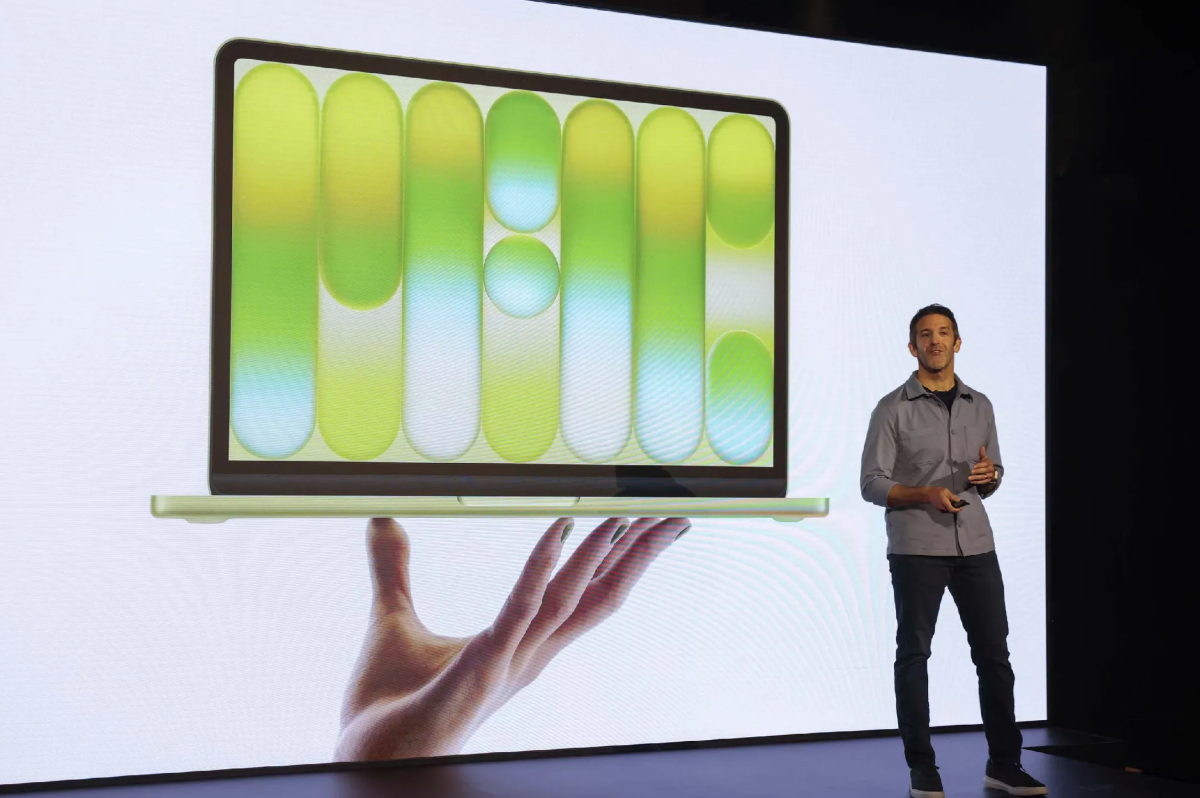
Ternus leads Apple hardware development
Apple is essentially a hardware product company. Ternus has spent 25 years polishing the company's equipment. He started out as an engineer responsible for Mac design, and later took over iPad, AirPods, iPhone, and eventually the entire hardware engineering department.
In contrast, he has less experience in other areas involved in the CEO position, such as finance, sales, legal affairs, government relations and procurement, so he will need to be highly dependent on other Apple executives. According to people familiar with Apple's internal situation, Apple's chief operating officer Sabih Khan (Sabih Khan), chief financial officer Kevan Parekh (Kevan Parekh) and Eddy Cue, who is responsible for the services business, will all take on larger and more influential roles.
Cook retires without giving up
Another veteran Apple executive who will continue to play a key role is Cook. Cook, who has been CEO since 2011, took over the leadership of Apple less than two months before the death of Steve Jobs. At the time, Apple was in turmoil following the death of its visionary co-founder, and there were real questions about whether Apple could continue to grow after a coaching change.
However, during the Cook era, Apple's revenue roughly quadrupled to $416 billion, and its market value increased 15 times.
Although Cook failed to create another breakthrough product close to the magnitude of the iPhone, he did launch successful products such as AirPods and Apple Watch. He also developed Apple Pay and Apple Music, taking the services business from a fraction of the pie to one that now generates more revenue than the company's total revenue when Cook took over.
On August 23, Cook’s colleagues held a farewell dinner for him at Apple Park in Cupertino, California. Ternus, Laurene Powell Jobs (Laurene Powell Jobs) and many current and former Apple executives paid tribute for several hours, and Cook’s favorite rock band OneRepublic also performed a celebratory performance.
But this is not a true farewell. Cook will remain Apple's executive chairman. He has told Ternus that he will continue to be responsible for maintaining Apple's relationship with the Trump administration and China, and is also willing to take on other tasks that his successor deems necessary for him.
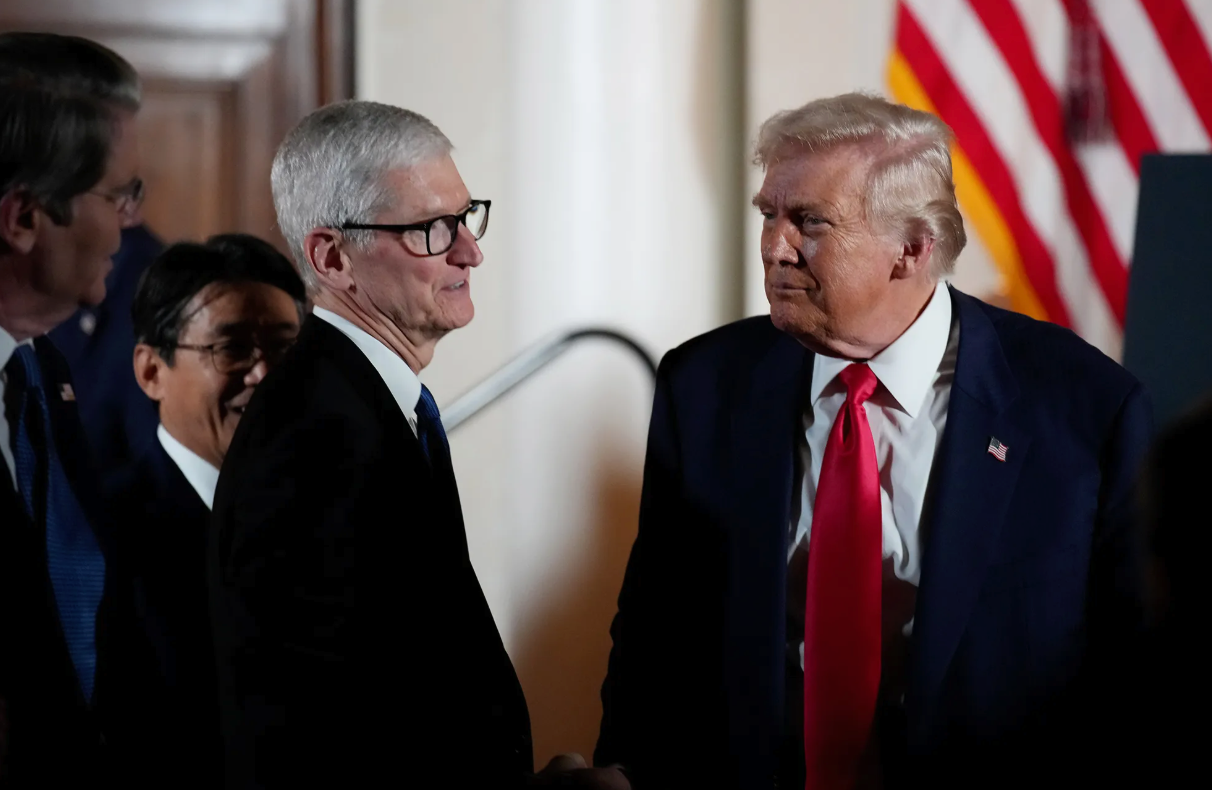
Cook will be responsible for Apple's external affairs activities
While Cook has talked about plans to get more outdoors and spend more time at his vacation home in Palm Springs, he also told employees that the company will remain his top priority because he "can't imagine anything else."
There is no suggestion that any of this reflects Cook's lack of confidence in Ternus. In fact, Cook began seriously considering Ternus as his successor two years ago. After the decision was officially announced, Cook said at an all-hands meeting with employees: "There is no one in the world who deserves my trust more than John, and no one is more qualified to lead Apple into the future."
Cook also said that Ternus is an "elevator-like figure": he can stand at "an altitude of 30,000 feet" to see the overall situation and form a clear vision, and he can also go down to the "basement" to delve into the precise details of a problem.
Still, Cook’s arrangement, which is not a complete retirement, still makes people uncertain how quickly Ternus can reshape Apple according to his own ideas.
So far, Ternus and Cook have done little to dispel the impression that Ternus is just a continuation of the Cook era. When Cook succeeded Jobs, he never moved into Jobs's office, which remains locked, untouched, and the lights turned off on Apple's old Infinite Loop campus. Ternus, on the other hand, is expected to use Cook's office at Apple Park. The two have become nearly inseparable in recent months in internal meetings and public events, with Ternus praising Cook's leadership style at every public occasion. This summer, at the premiere of the latest season of Coach, the two soon-to-be CEOs even wore nearly identical outfits.
This phase of Apple’s history will fade away as the 65-year-old Cook and his senior management team gradually leave the company. Many of Cook's deputies are also wealthy and approaching 65 years old.
Hardware product challenges
The day Ternus officially takes over as CEO is an important moment for Apple, but Apple's transfer of power will be a gradual process. Whether this transition can be completed properly is likely to determine whether the 51-year-old Ternus can eventually become a successful CEO like his mentor Cook.
Throughout Cook's tenure, Apple watchers have been worried that Apple would stagnate if the company couldn't launch a new blockbuster product with the same level of success as the iPhone. Although Apple ultimately failed to achieve this, the company's performance was still quite good.
At present, AirPods and Apple Watch mainly exist as iPhone accessories, and Apple’s HomePod smart speaker has not attracted as much public attention as competing products from Amazon and other companies. In addition, Apple's multi-billion-dollar, 10-year self-driving electric vehicle project was also halted in 2024.
For now at least, the prospects for Apple’s latest big bet, the Vision Pro, don’t look promising. This mixed reality headset has been highly praised by Cook, saying that it is expected to eventually replace smartphones and become the pinnacle achievement of his career. However, Ternus, who happened to have worked at a virtual reality startup before joining Apple, never really backed the headset project because he felt it was too bulky and expensive to become a mainstream product, according to people who have discussed the device with him.
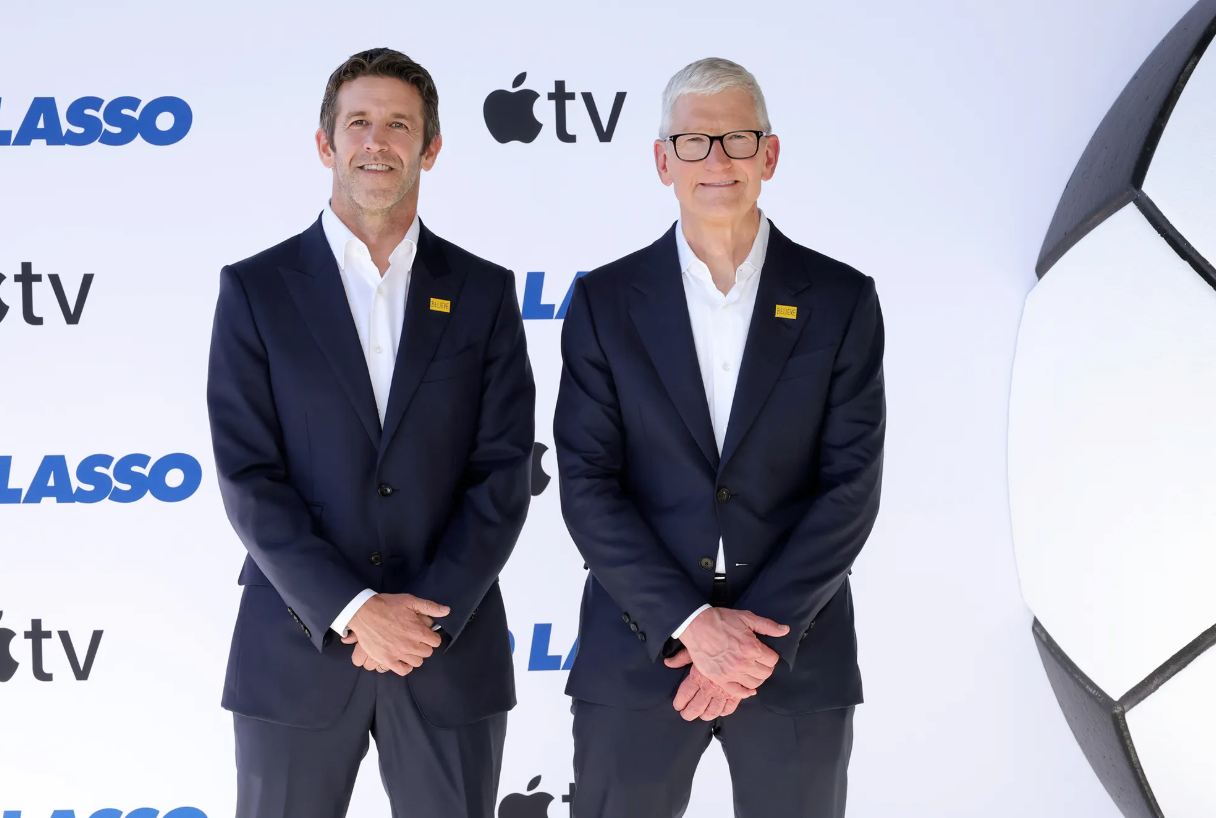
Turnus and Cook
In recent months, executives on the project have been trying to convince him that Apple should continue to invest in the platform even if the business performs poorly. However, Ternus does support the smart glasses Apple plans to launch next year without augmented reality capabilities, code-named N50. But he is also willing to consider exiting the category if the headset fails to gain traction. This may affect the fully revised Vision Pro, code-named N224 and scheduled to be released as early as the end of 2028.
In June this year, Paul Meade, Apple’s executive in charge of smart glasses and mixed reality headsets, resigned and switched to OpenAI. He once told colleagues who had worked with him for many years that Ternus’ promotion triggered personnel changes and that he was dissatisfied with his position arrangement within the company.
Recently, Apple has laid off team members responsible for related equipment. The rare layoffs are mainly focused on gaming and immersive video content. However, a previously undisclosed adjustment by Apple shows that Apple has also eliminated Vision Pro-related positions across the company, including employees responsible for device security, audio engineering, Siri integration, testing, and product operating systems. The operating system will also be used in Apple's smart glasses in the future.
Ternous pushed back on the often-argued view that the iPhone is losing its importance. He led the iPhone's three-year comprehensive innovation plan: starting with the thinner iPhone Air last year, a folding screen model will be launched this year, and a glass model will be released in 2027 to commemorate the 20th anniversary of the iPhone's birth.
This summer, Apple held meetings with Wall Street analysts to introduce Ternus to them. At these meetings, Ternus said that the iPhone will continue to be the core of Apple's product strategy and consumers' daily lives in the future. He believes that people still need an all-round device with a screen that can complete various tasks.
Some Apple executives have expressed concerns about Ternus' ability to deal with thorny supply chain issues, such as an ongoing memory shortage. Apple has publicly blamed this for recent product price increases. This type of supply chain risk is Cook's specialty, and he has been helping Apple deal with it over the past few months. Ternus is not expected to personally lead the response, but will rely heavily on COO Khan and the company's procurement, sales and operations teams to minimize the impact of rising component prices and shortages. Apple expects this issue to continue into next year.
Another challenge facing Ternus is reversing the recent slowdown in growth in its services business. Apple executives attributed the trend to weaker game purchases as users turn to other forms of entertainment like TikTok, and they expect the trend to continue. In addition, due to regulatory pressure, Apple has had to reduce the App Store's commission ratio in many markets and has been forced to allow third-party app stores to operate in the European Union, which may cause Apple to lose commission revenue.
Brain drain
More troubling for Ternus are the signs that Apple’s position as the employer of choice for top hardware talent is gradually eroding. Today's Apple is a mature company, and there is also a certain degree of bureaucracy and factionalism within it. The company is losing talent, lured by competitors' higher salaries, more ambitious hardware projects and the chance to build products from scratch.
Hundreds of former Apple employees currently work in OpenAI’s hardware division, and Apple has accused OpenAI of stealing trade secrets in a lawsuit.
Ternus is well aware of the seriousness of the brain drain problem. He handed out special bonuses worth hundreds of thousands of dollars to several members of the iPhone design team. He was also one of the Apple executives who approved a lawsuit against OpenAI, in part because the other party's poaching practices had disrupted several of his hardware teams. Sometimes Ternus would directly prevent departures. For example, he instructed Richard Dinh, the head of iPhone design, to interview a Singaporean engineer and retain him in exchange for a promotion and a salary increase. But the employee ended up going to OpenAI.
According to people close to Apple, about half of the top executives on Apple’s leadership team may leave within the next few years. Particularly significant is the potential departure of hardware chief Johny Srouji, who took over Ternus' previous responsibilities and merged them with the chip division he leads.
Last year, the 61-year-old Sluji told Cook that he was seriously considering leaving the company, but Cook convinced him to stay, not only expanded his scope of responsibilities, but also asked him to assist in the CEO transition. People close to Slugi say he could still leave, perhaps in a year or two when the transition to Ternus has made some progress. In addition, the heads of Apple's marketing, services and retail divisions have all been with Apple for about four decades and may retire in the next few years.
AI Difficulties
The most worrying thing is Apple’s lagging behind in the field of AI. At the end of 2022, OpenAI set off a craze for generative AI with the release of ChatGPT. Soon thereafter, Apple launched a large-scale layout in this technology field, building its own large language model, introducing top talents in a high-profile manner, and locking in acquisition targets.
However, the first version of its Apple Intelligence software performed poorly, and the company has been unable to acquire any significant AI startups. Cook subsequently replaced the head of Apple's AI department and adjusted the duties of the head of the Siri voice assistant, handing over their responsibilities to the company's head of software engineering and the creator of Vision Pro respectively.
Last year, after the setback of self-developed technology, Apple began to rebuild the model that supports Siri and paid to use Google's Gemini technology as the basis. This frustrated many members of Apple's large language modeling team, prompting some, including the team's leader, to leave for other companies with better pay. At the same time, Apple has lowered the priority of its AI research projects, further shaking the confidence of internal model developers.
Apple will face a major test in September, when Apple will fully launch a new version of Siri AI with the goal of competing with ChatGPT. Due to the high cost of running such AI systems, Apple eventually hopes to charge users or find ways to make money by integrating third-party applications into its voice assistant.
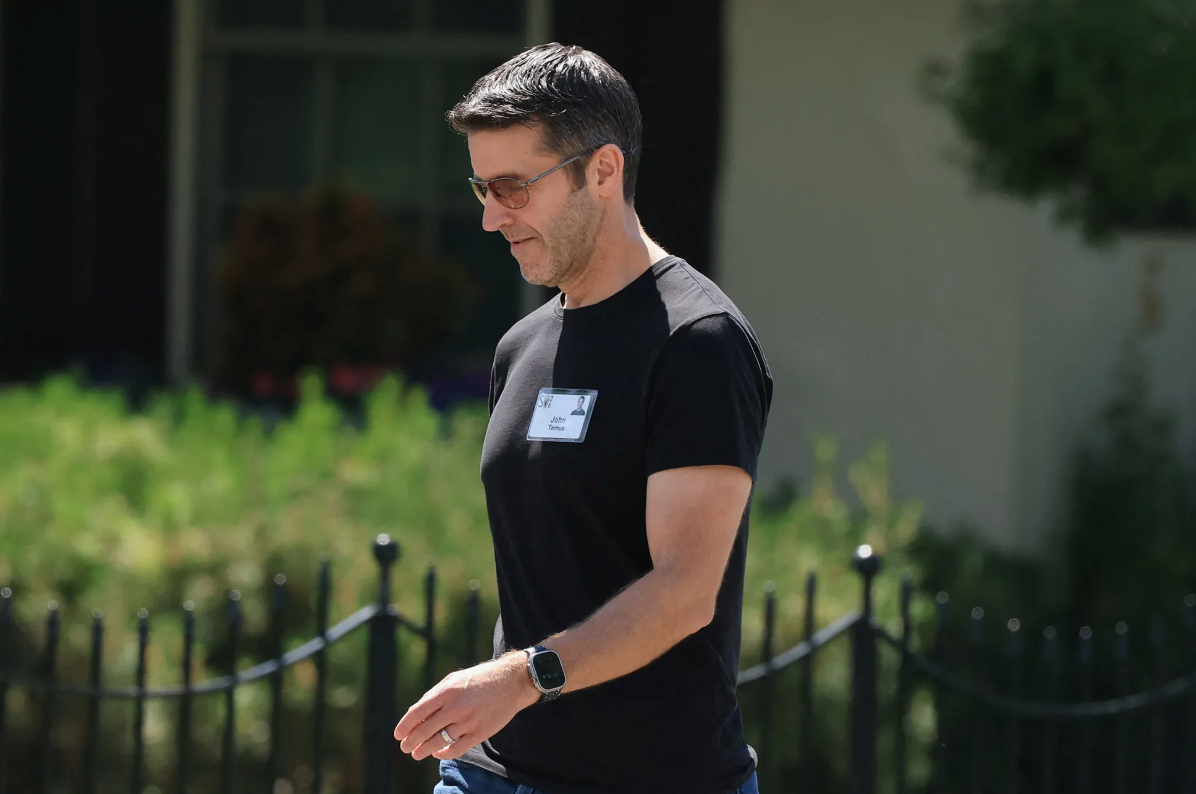
Tunus
However, in order for developers or users to pay for it, this service must first reverse Siri's long-standing reputation as "not easy to use and not very practical." So far, early reviews of Siri AI have been generally positive.
Ternus also began to focus on how to use AI to improve Apple's own product development processes and operations. One of his last acts as head of hardware was to launch an AI platform to speed up product development while improving hardware testing and device reliability. "We will be able to solve tougher problems," he told employees at an all-hands meeting. He believes that AI can help Apple apply the experience accumulated from past products to new products that are still under development.
In addition to using AI to improve the way products are made, Apple is also working to use AI to make these products more useful to consumers. Apple has been planning to launch camera-equipped AirPods and a flagship home device with a screen for years, but the launch of these products has been repeatedly delayed due to shortcomings in AI software.
The new version of Siri AI is expected to change this situation and will also provide support for new versions of Apple TV set-top boxes and HomePod mini. "I'm especially looking forward to taking over this role at this time, because I'm telling you, we're about to change the world again. We have an incredible product roadmap in front of us," Ternus told employees during an all-hands meeting.
It’s unclear which AI consumer tech products will actually become popular, if any. There have been some major failures in this area. Popular ideas about AI hardware often involve placing cameras and AI-driven sensors in people's homes and bodies. Such plans pose a reputational risk for a company like Apple, which has long been known for being more privacy-focused than its competitors. Apple is trying to address these privacy concerns by finding a different approach. While its smart glasses will be equipped with cameras for taking photos and recording videos, the cameras on new AirPods and planned home security devices will not be capable of recording visual footage. They only transmit information to AI systems so that the latter can analyze their surroundings.
This year, Ternus has spent a lot of time personally managing the company's industrial design and software design teams, which have historically played a crucial role in Apple's creation of unique consumer products. Even before the leadership transition became official, those teams began reporting directly to him. However, he inherited a team that had been severely weakened by the loss of members to former design director Jony Ive's new studio and OpenAI over the years. Ternus is making rebuilding the team's influence a top priority.
As Ternus looks to the future, he and Cook have been participating in planning meetings for 2027, with participants covering almost every department of the company. Ternus has increasingly taken a leading role in these meetings in recent weeks.
“I’m here to offer my knowledge and experience and be a sounding board whenever I’m needed,” Cook told employees. But he also admitted, "There can only be one CEO at any time."
As for Apple’s iPhone launch on September 9, although Cook may sit in the front row, he will not be the protagonist of the launch for the first time in 15 years.
There are many examples of how this transfer of power can go wrong. A cautionary reference is Disney, where long-time leader Bob Iger retired as an adviser, only to clash with his hand-picked successor, Bob Chapek, before eventually returning as CEO in his early 70s. Salesforce's Marc Benioff twice brought in co-CEOs who were seen as potential successors, but both eventually left him.
Of course, there are also successful examples. After Amazon's Jeff Bezos stepped down as CEO, he stayed on as executive chairman while pursuing multiple interests outside the company. This arrangement allowed Andy Jassy to take full charge of day-to-day operations, which worked well. According to people close to Apple, in the above cases, the Bezos-Jassy combination is most similar to the relationship between Cook and Ternus.
A recent recruitment information from Apple may reveal some clues about how Cook will gradually reduce his job responsibilities. Apple is hiring a top executive's personal bodyguard, and the candidate will be required to be able to hike "for miles" at a time in difficult environments. Although the job posting didn't mention Cook by name, the job description likely refers to him. Cook has spoken many times about his love of hiking, and even mentioned that he plans to increase his hiking time after retirement.
Ternus prefers cycling and racing. However, he may soon find that his new position may not allow him much time to develop his hobbies.
Comments