
Abstract:
An innovative consumer-grade electroencephalogram (EEG) wearable device called Atlas was officially unveiled. The device is committed to lightweighting precision EEG monitoring technology that was previously limited to laboratories and medical institutions, allowing users to quantitatively track their concentration, cognitive load, and mental fatigue status in real-time during daily work, study, and high-intensity mental activities.
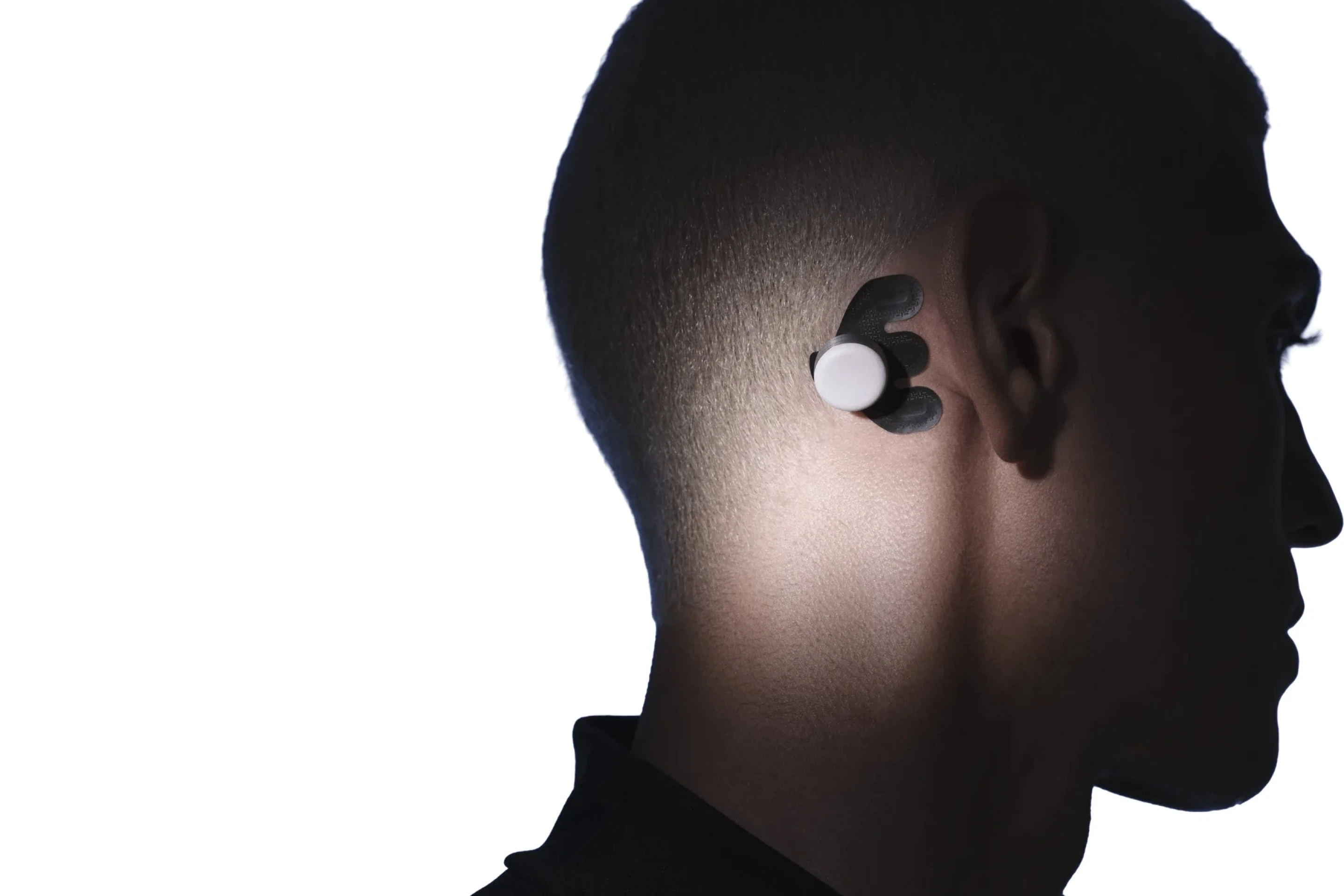
For a long time, EEG technology has mainly relied on applying conductive gel to the scalp and arranging cumbersome multi-channel electrode caps to capture weak EEG signals. This traditional form is cumbersome and has extremely high barriers to use, making it difficult to get out of clinical or controlled experimental environments. Atlas successfully breaks this physical limitation through revolutionary sensor materials and ergonomic structural design. The device uses a highly miniaturized dry electrode sensing matrix that can be seamlessly integrated into lightweight headbands, daily headphones or lightweight hats. It can tightly fit the scalp without any wet gel medium and capture microvolt-level potential fluctuations in the frontal lobe and related cerebral cortex areas stably and with low noise.
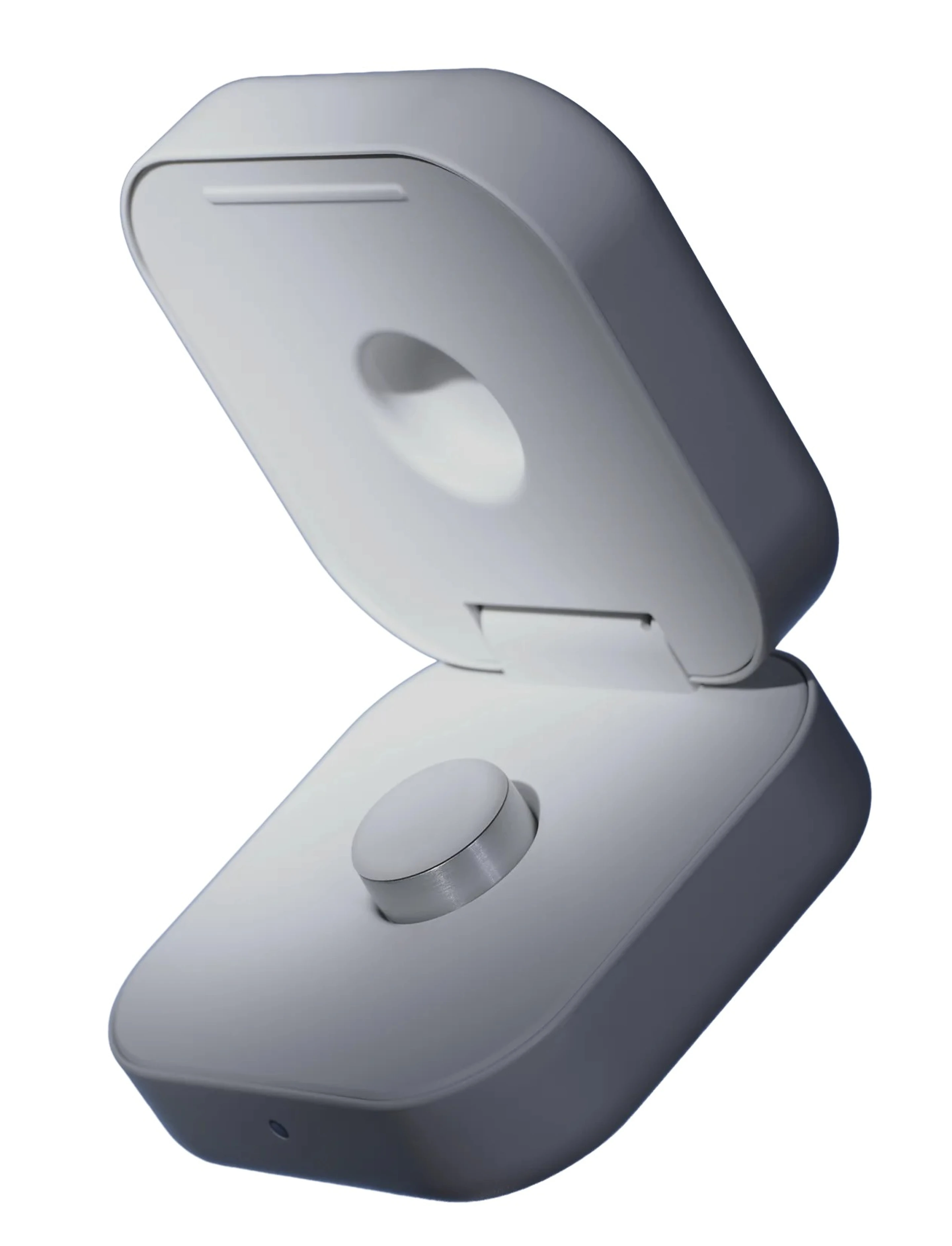
On the signal processing and algorithm side, Atlas has a built-in high-performance neural signal processing unit and deeply integrates a machine learning model specially trained for brain wave spectrum. The device can perform millisecond-level real-time analysis and dynamic decoupling of key frequency band signals such as Alpha waves, Beta waves, and Theta waves, and then accurately calculate the user's "focus index", "mental load depth" and "fatigue decline critical point". Through the supporting mobile and desktop applications, users can clearly view their cognitive status curve when dealing with different complex tasks, and intuitively understand when they are in the most efficient "flow" stage, and when their attention is broken due to thinking overload.
In addition to passive data recording, Atlas focuses more on proactive cognitive intervention and workflow optimization. The system can dynamically trigger adaptive rest suggestions based on the wearer's real-time cognitive load threshold. For example, when it detects that the user's brain has entered a period of irreversible cognitive burnout, it will promptly prompt to switch tasks or perform a brief meditation. At the same time, it can also be ecologically linked with smart home and office software to automatically block external message interference and dim ambient floodlight when the user enters a state of deep concentration, creating a more immersive work environment.
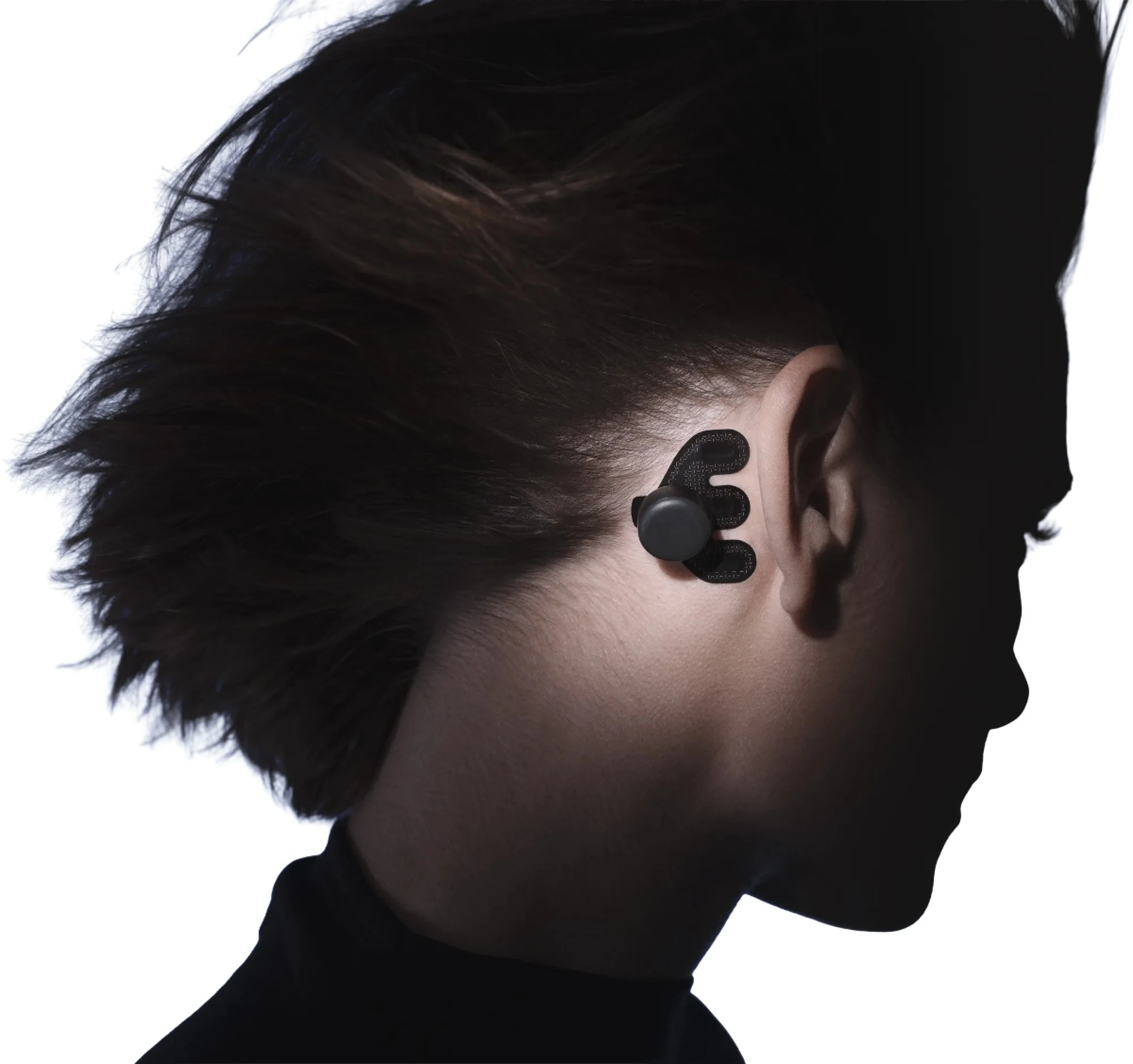
The R&D team emphasized that while Atlas strives to compress the hardware volume and improve all-weather wearing comfort, it maintains extremely high clinical-grade signal correlation and effectively filters out myoelectric interference caused by blinking, jaw clenching and body shaking. Industry experts point out that as lightweight, sensorless brain-computer interface technology represented by Atlas matures, the focus of personal health monitoring is accelerating from basic physiological indicators such as steps and heart rate to in-depth mental health and cognitive efficiency management with brain waves as the core. This not only provides knowledge workers with scientific anti-involution and anti-fatigue tools, but also opens up a new application paradigm for future neurofeedback training and barrier-free human-computer interaction.
Comments