
Abstract:
Samsung officially launched Galaxy Buds On, its first wireless headset with a clip-on ear design. This is also the first time that the Galaxy Buds series has expanded from the traditional in-ear form to an open clip-on design. Unlike traditional Galaxy Buds, which require earphones to be inserted into the ear canal, Galaxy Buds On are fixed on the outside of the ear through a structure that surrounds the auricle and does not block the ear canal, allowing users to still sense the surrounding environment while listening to music.
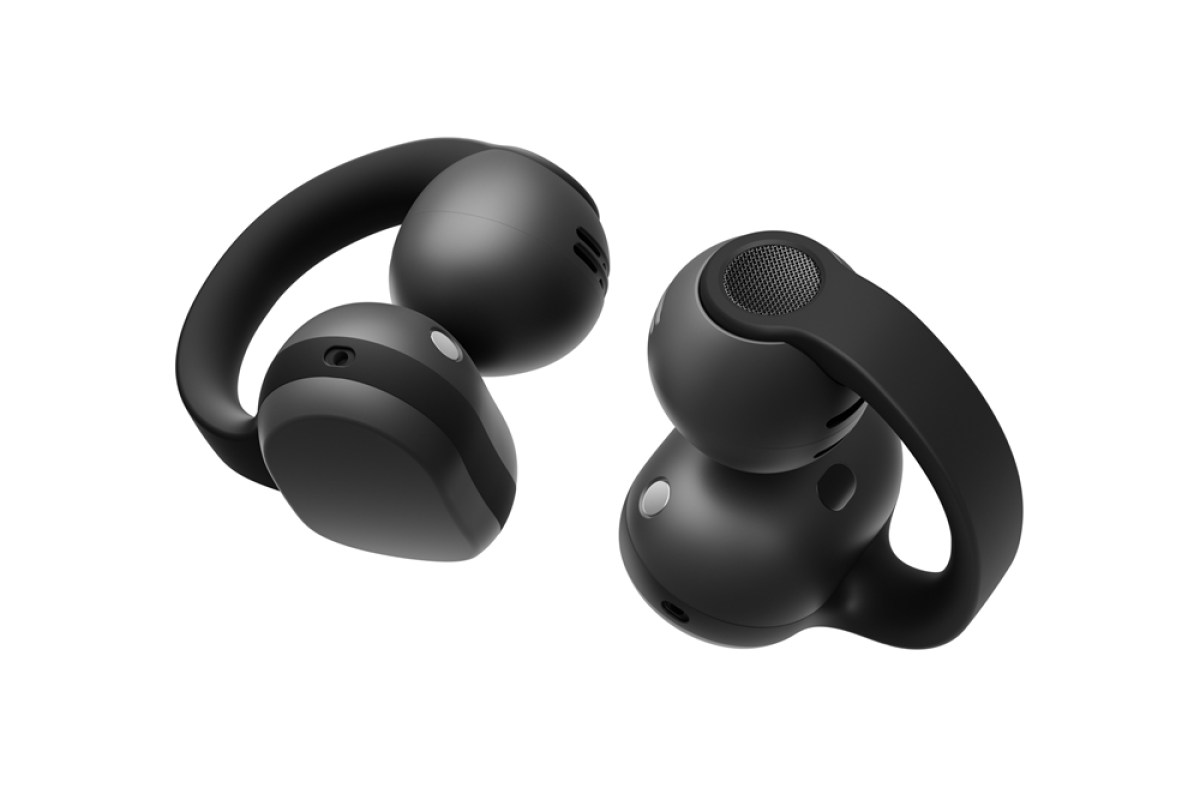
Samsung said that this design is mainly suitable for use scenarios such as long-term wearing and outdoor sports. Because the ear canal remains open, users can continue to hear vehicles, pedestrians, and other environmental sounds during activities such as running and walking, and can more conveniently pay attention to their surroundings while keeping music playing. Samsung also analyzed data on ears of different shapes and performed wearing simulations to optimize the positions of the speakers and batteries, and expanded the area of contact with the ears to make the pressure more uniform, thereby reducing the discomfort of long-term wearing.
Galaxy Buds On uses an elastic connection structure similar to ear hooks, and the components on both sides are responsible for sound output and fixation functions. Samsung has also optimized the low-frequency deficiency that usually exists in open-back headphones and added a TwinBoost dual speaker system to enhance low-frequency performance. At the same time, the headphones support automatic volume adjustment, which can automatically adjust the playback volume according to sound changes in the surrounding environment.
Another common problem with open-back headphones is that sound tends to leak into the surrounding environment. Therefore, Samsung added Audio Leakage Reduction technology to Galaxy Buds On. This is also the first time that this technology has been applied to Galaxy Buds series products. The goal is to reduce the spread of music sound into the surrounding environment while maintaining an open wearing experience.
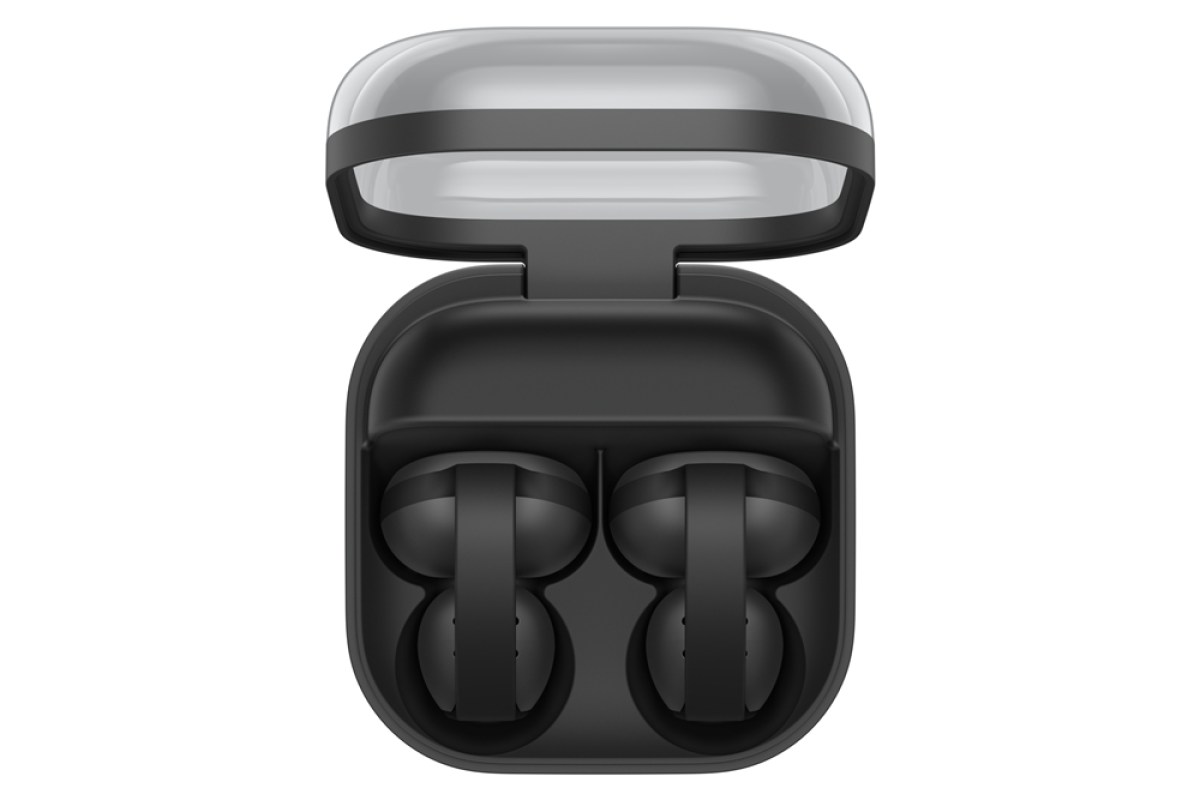
For calls, Galaxy Buds On is equipped with three microphones and a bone conduction vibration sensor. The sensor can detect the subtle vibrations produced when the user speaks, and then combines it with a machine learning algorithm to identify and separate the user's voice, thereby improving call quality in noisy environments.
In terms of battery life, Galaxy Buds On can play music continuously for up to 9.5 hours on a single charge. Samsung has also added a series of Galaxy AI functions to it. Users can call Gemini Live through the headset, or quickly record voice memos by long pressing the headset. In addition, the headset supports head movement control. For example, nodding your head can answer a call, and shaking your head can perform the corresponding rejection operation, thereby reducing the need to use a mobile phone or touch the headset.
Galaxy Buds On will be launched in South Korea first, with an official price of 299,000 won, and is scheduled to be officially released on October 27. Samsung has only announced the black version so far. The global market will be launched later, but Samsung has not yet announced the specific international launch time and selling prices in different regions.
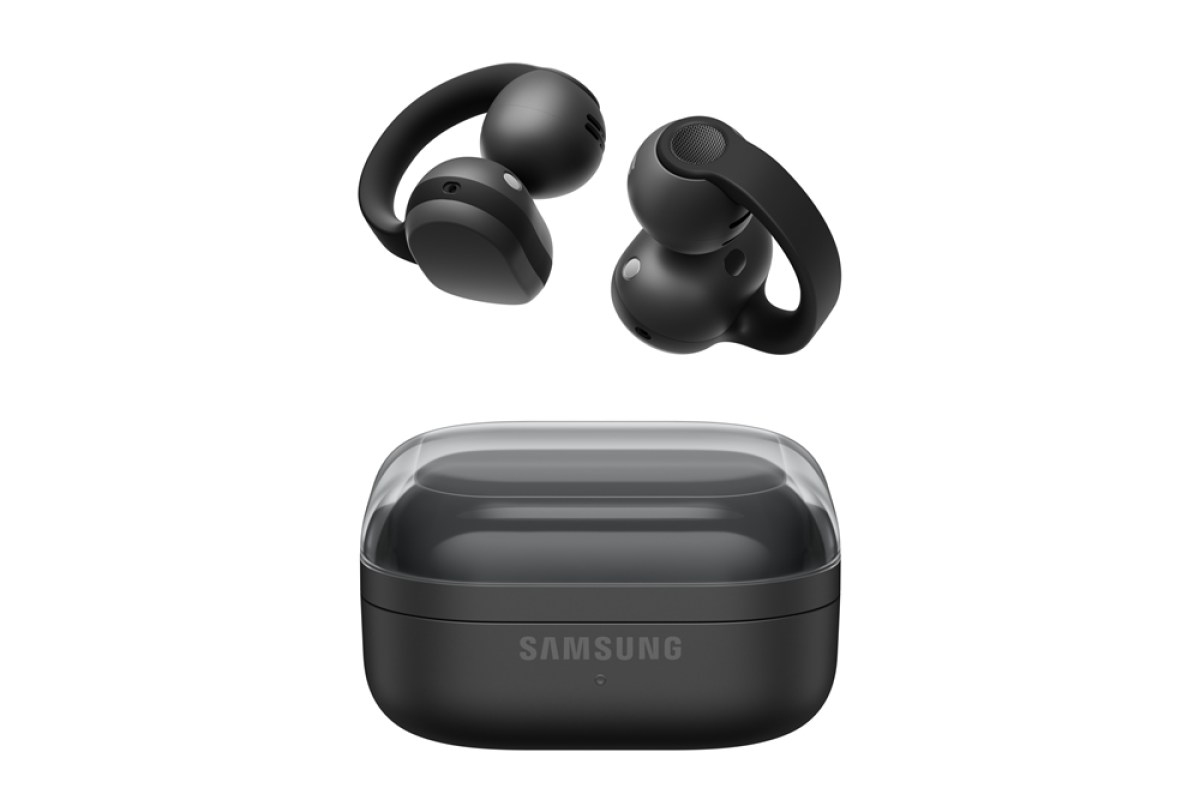
The launch of Galaxy Buds On means that Samsung has begun to incorporate open-back headphones into the Galaxy Buds product line. In the past, Galaxy Buds mainly focused on in-ear products, which formed a relatively closed acoustic environment through earplugs. Galaxy Buds On provides another option for users who do not like foreign objects in the ear canal, need to wear them for a long time, or want to maintain environmental awareness during outdoor activities.
From the perspective of product positioning, Galaxy Buds On is not simply a replacement of the traditional Galaxy Buds with another shape. Instead, Samsung has made a series of targeted designs to address the inherent problems of open-back headphones in terms of comfort, low frequency, sound leakage, and call quality. As the market for open-back headphones continues to expand, Samsung’s official entry into this field also means that clip-on and open-back headphones are becoming new product forms that mainstream wireless headphone manufacturers are competing for.
Comments