
Abstract:
The globally endangered green sawfish may be finding its last important habitat in Australia's northern waters, a new study suggests. After systematically combing through existing scientific literature, researchers pointed out that northern Australia not only preserves one of the healthiest and most stable green sawfish populations in the world, but has also become a key area for related research and conservation work.
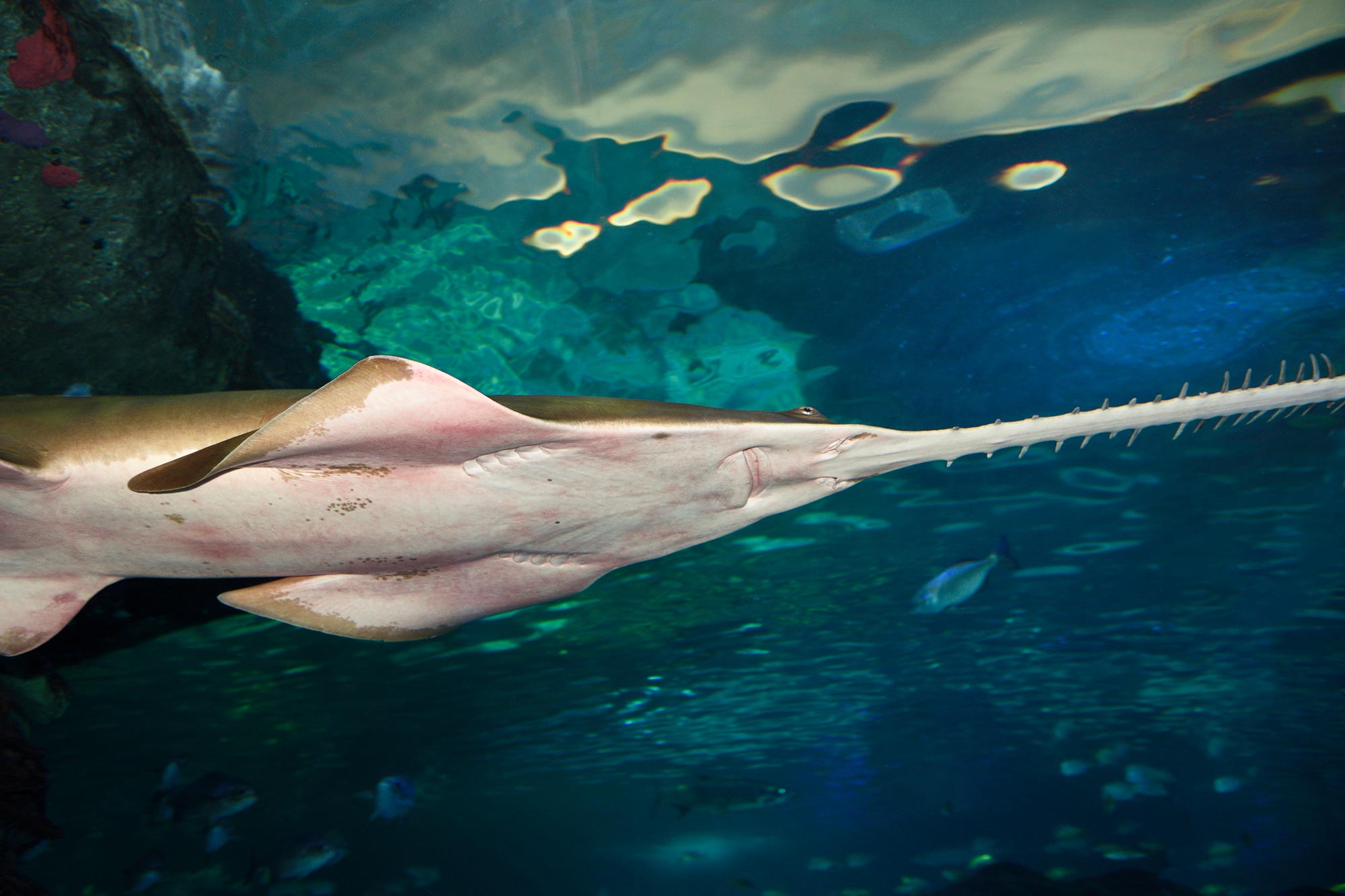
The green sawfish is a highly recognizable marine predator with a slender body and a long, saw-shaped snout. In the past, they were widely distributed in tropical and subtropical coastal areas. However, due to long-term multiple threats such as overfishing, bycatch in fishing nets, and habitat destruction, this species has declined sharply in most of its historical distribution areas around the world, and is listed as critically endangered by the International Union for Conservation of Nature.
A research team from the Center for Sustainable Aquatic Ecosystems at Murdoch University in Australia reviewed decades of research on green sawfish in an attempt to assess what the current scientific community has learned and identify the issues that most need to be addressed in future conservation efforts. Research has found that green sawfish populations have disappeared or are close to disappearing in many parts of the world, but wild populations of ecologically important value remain in northern Australia.
Researchers say that northern Australia has become an important refuge for green sawfish largely because the local environment remains relatively intact and the pressure from human activities is lower than in many other areas. This allows green sawfish to continue to reproduce and maintain healthy population sizes in local estuaries, mangroves and offshore ecosystems.
The study singled out Western Australia's Pilbara region as globally important. Not only does the area contain critical habitat for green sawfish, it also provides scientists with the opportunity to monitor and study the species over the long term. Researchers believe that the Pilbara has become one of the most important green sawfish research bases in the world, providing valuable data for understanding its behavioral patterns, migration habits and survival needs.
Scientists who have long studied sawfish say the large number of wild individuals left in Australia allows researchers to directly observe and track the species, something that has been difficult to do in many countries due to low populations. Therefore, Australia has a special and important responsibility in the global green sawfish conservation system.
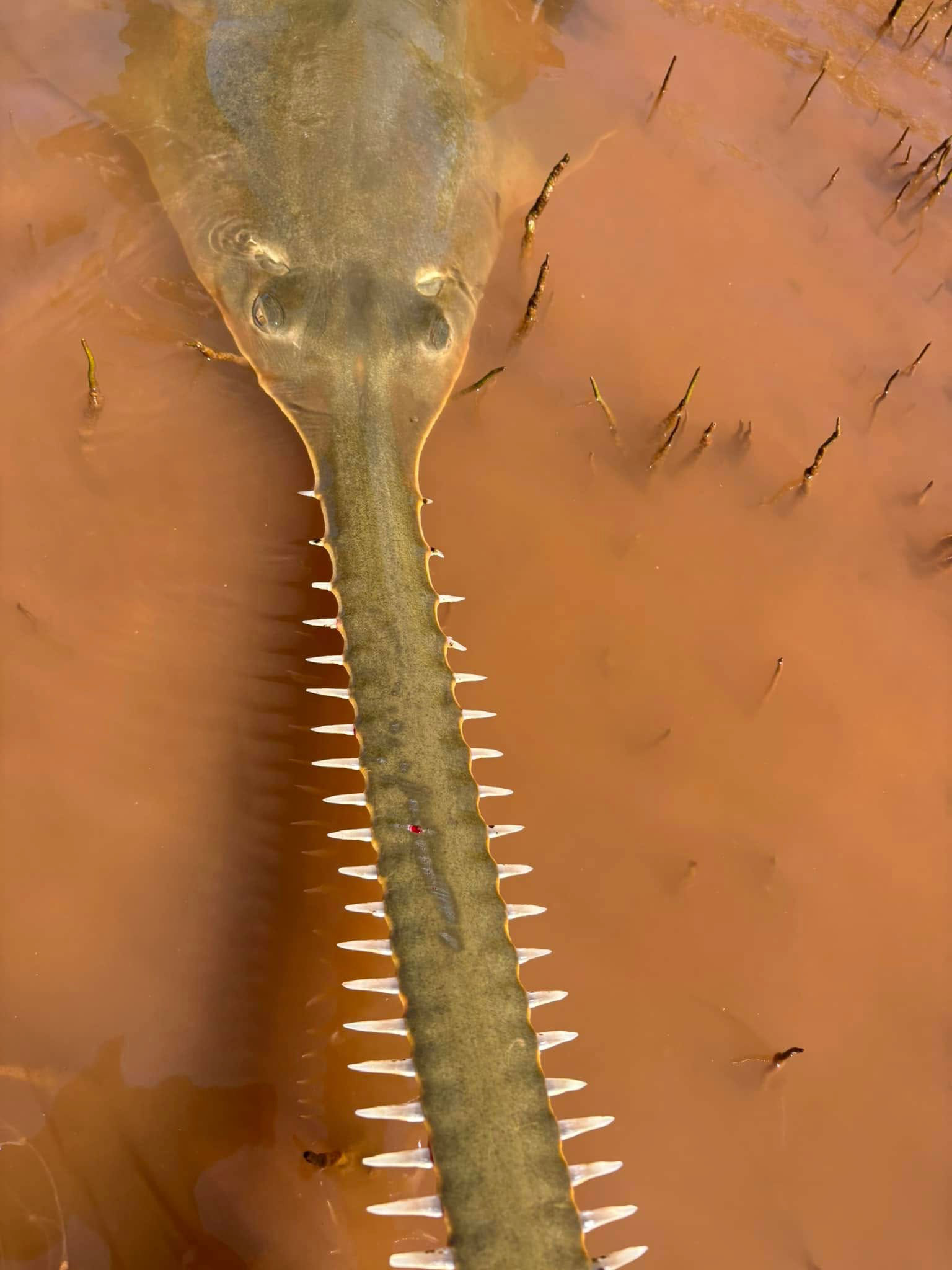
Although many research results have been achieved in the past few decades, scientists emphasize that there are still significant gaps in human understanding of the green sawfish. For example, there is still a lack of sufficient data support for key issues such as the dependence of individuals of different ages on habitats, the connections between populations, migration routes, and breeding ecology. These knowledge gaps limit further optimization of conservation strategies and increase the difficulty of future population recovery efforts.
The research team stated that conservation efforts not only need to continue to maintain the integrity of the existing habitat, but also must strengthen long-term monitoring and basic ecological research to more accurately assess population change trends and develop more effective management plans. Scientists believe that only a deeper understanding of the green sawfish's ecological needs can ensure this ancient and unique marine predator does not disappear permanently from the Earth's oceans.
The importance of Australia's northern waters is growing as green sawfish populations have fallen to historic lows in many parts of the world. For this critically endangered species, this sea area is not only one of the most important survival strongholds at present, but may also become the last hope for population recovery and continuation in the future.
Comments