
Abstract:
A California appeals court recently resumed a lawsuit that began in 2022. The plaintiff alleged that Apple had used relevant claims to discourage consumers from using third-party repair services to repair cracked iPhone screens. In the past few years, Apple has gradually relaxed its restrictions on hardware repairs outside the ecosystem and began to allow more repair work to be completed through non-Apple official channels. However, the company still needs to face legal issues caused by relevant policies in earlier years.
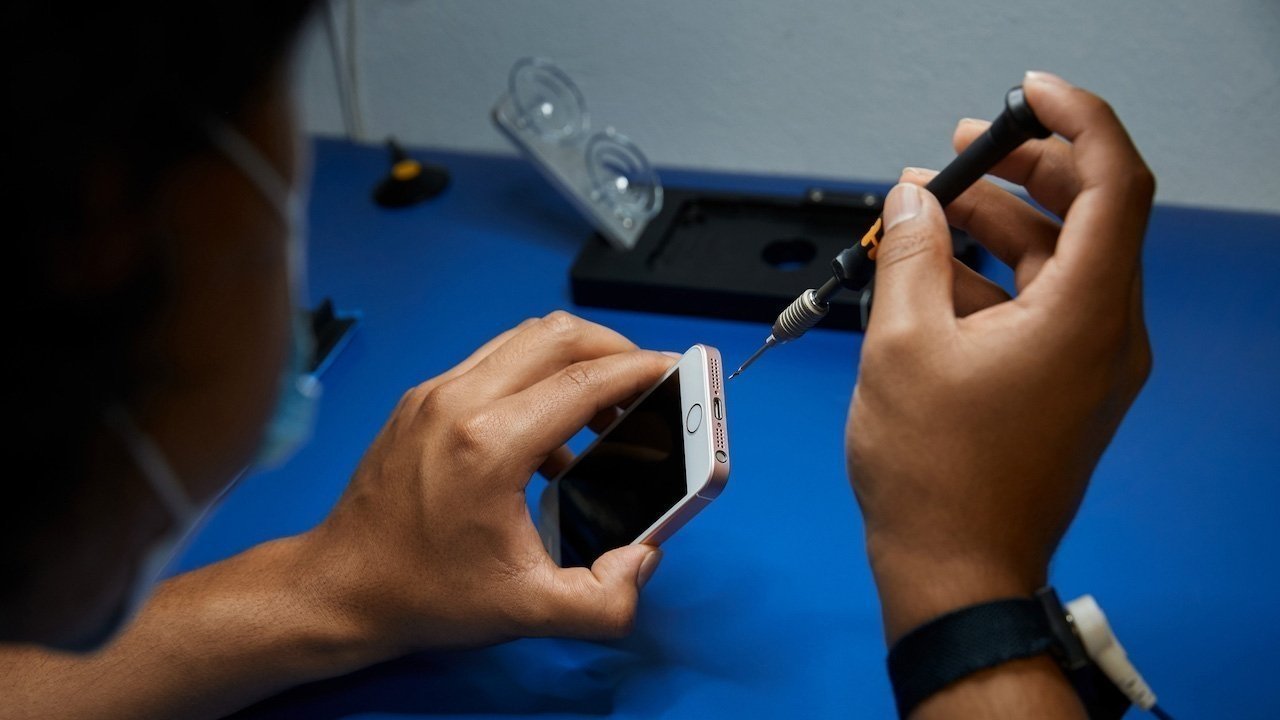
A document filed by California's Sixth Appellate District Court in August showed that a three-judge panel overturned the lower court's previous ruling to dismiss the lawsuit and decided to allow the case to move forward.
Plaintiffs Jesse Granato and Janice Zarad said that in 2021, they were told by Apple employees that using third-party repair services would cause the device to lose warranty eligibility. According to Court News Service, the two said this statement prompted them to choose to pay for screen repairs through Apple's official channels.
The lawsuit accuses Apple of driving up the cost of independent repairs in a variety of ways, including not providing parts, repair manuals and software to third parties, and also allegedly tying warranty services to the use of authorized repair shops.
The Santa Clara County Superior Court previously adopted Apple’s view and held that the plaintiff lacked standing when filing a lawsuit under California’s Unfair Competition Law, and therefore ruled that the lawsuit could not be established. A California appeals court reversed that conclusion this year.
In its unanimous ruling, the appeals court said that according to the complaint filed by the plaintiffs, Apple's relevant practices at the time "would cause substantial harm to consumers by allowing Apple to charge exorbitant repair fees or increase demand for new products by encouraging consumers to replace products instead of repairing them."
Acting Chief Judge Cynthia Lee also noted that the plaintiffs failed to prove that any benefits from Apple's repair policies were sufficient to offset the harm caused by those policies. The collegial panel therefore determined that the plaintiff had made a sufficiently sufficient claim for unfair competition.
The plaintiffs are also trying to accuse Apple of violating California’s Right to Repair Act passed in 2024. However, the appeals court noted that the law was enacted after the original lawsuit was filed. Notably, Apple actually supported this law.
In addition, the plaintiff also filed a complaint under the U.S. Magnuson-Moss Warranty Act of 1975, claiming that Apple refused to provide in-warranty service for devices that had been repaired elsewhere and instructed authorized repair shops to do the same.
Judge Li said that the plaintiff has not yet fully proved that Apple violated the law, but the court believed that the behavior described in the relevant charges violated the legislative spirit of the law.
The lawsuit has now been reinstated and sent back to the lower court for further proceedings.
Comments