
Abstract:
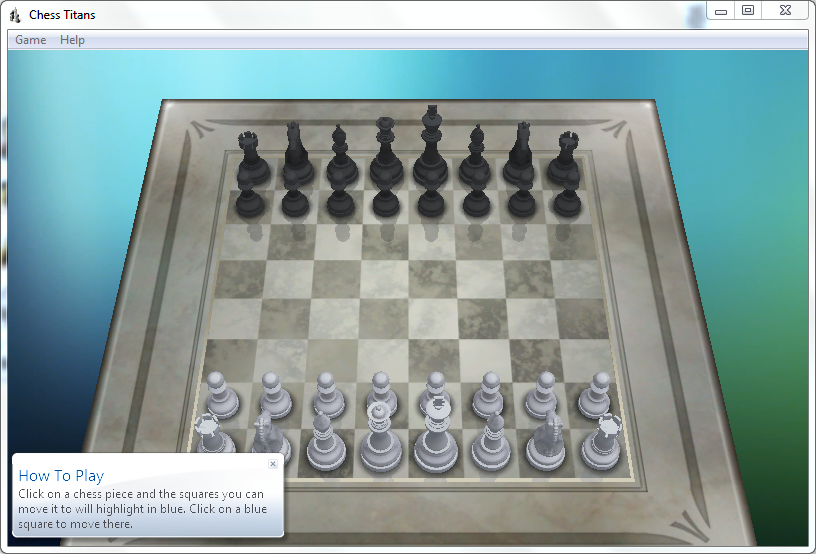
If you installed Windows in the 1990s or early 2000s, you didn't need Steam, the Microsoft Store, or even an Internet connection to find some games on your system. Solitaire, Minesweeper, FreeCell, Hearts, and the later addition of "3D Pinball" will all appear directly after the system is installed. Windows Vista and Windows 7 have reached the peak of classic games, adding works such as "Chess Titan", "Mahjong Titan" and "Purble Place".
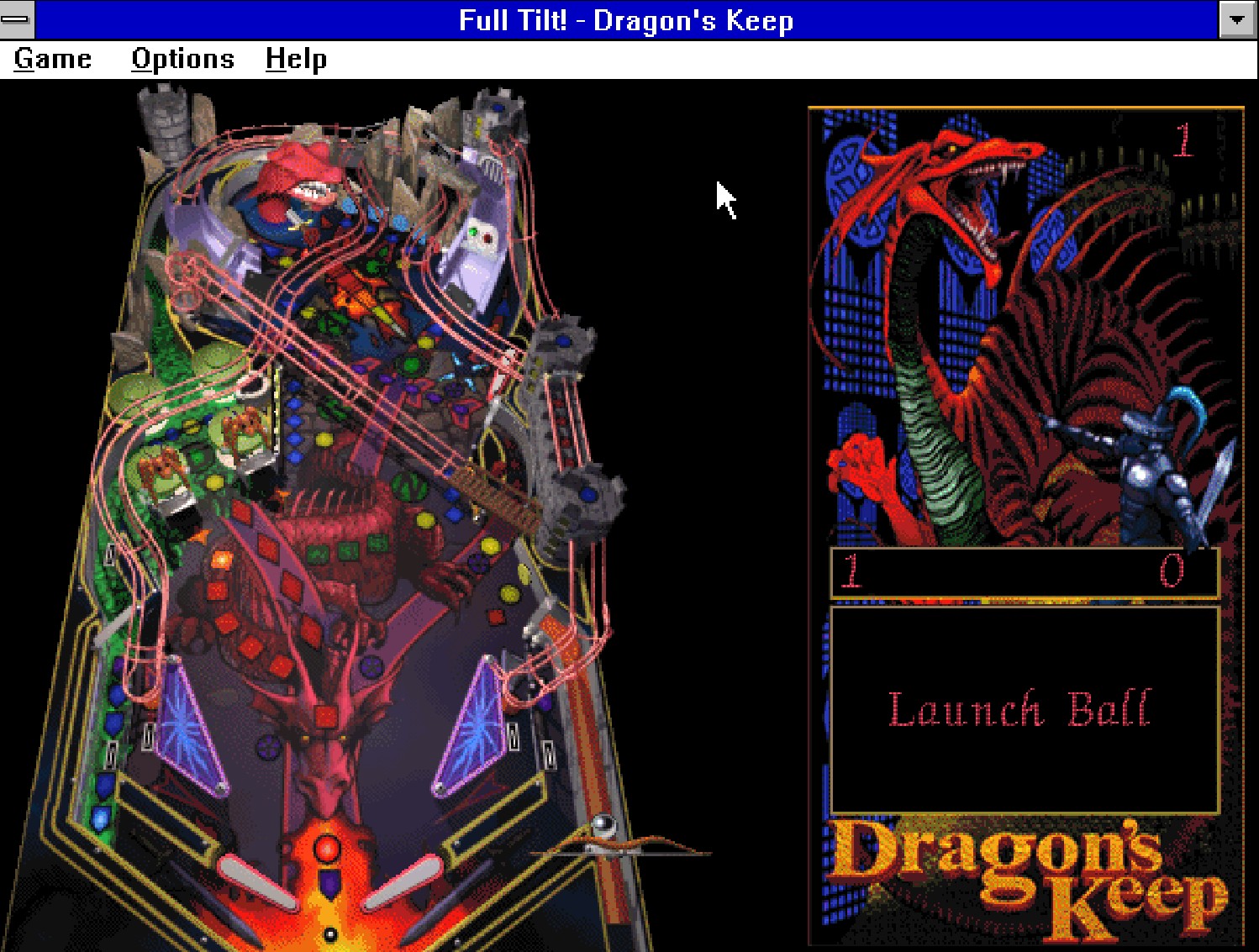
But with Windows 8, things have changed. Although not many people installed this version at the time, the classic games that users were familiar with were all gone. Microsoft didn't remove these games accidentally, but intentionally changed their relationship with Windows.
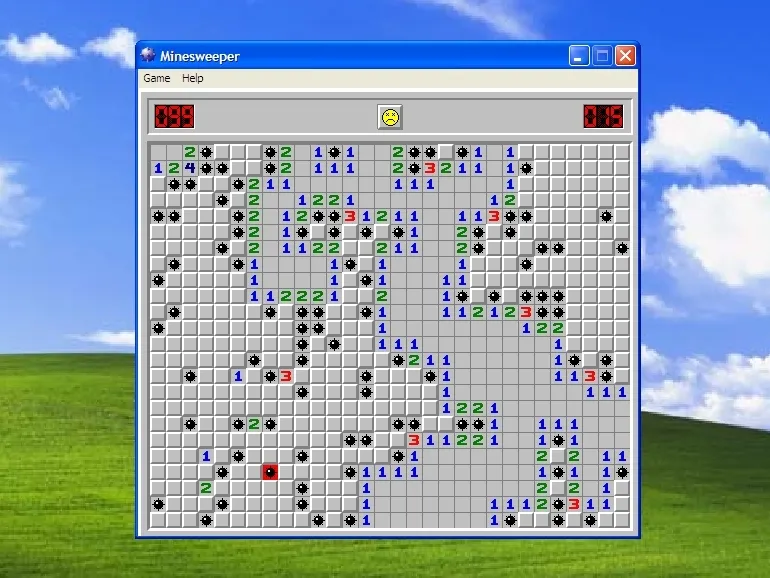
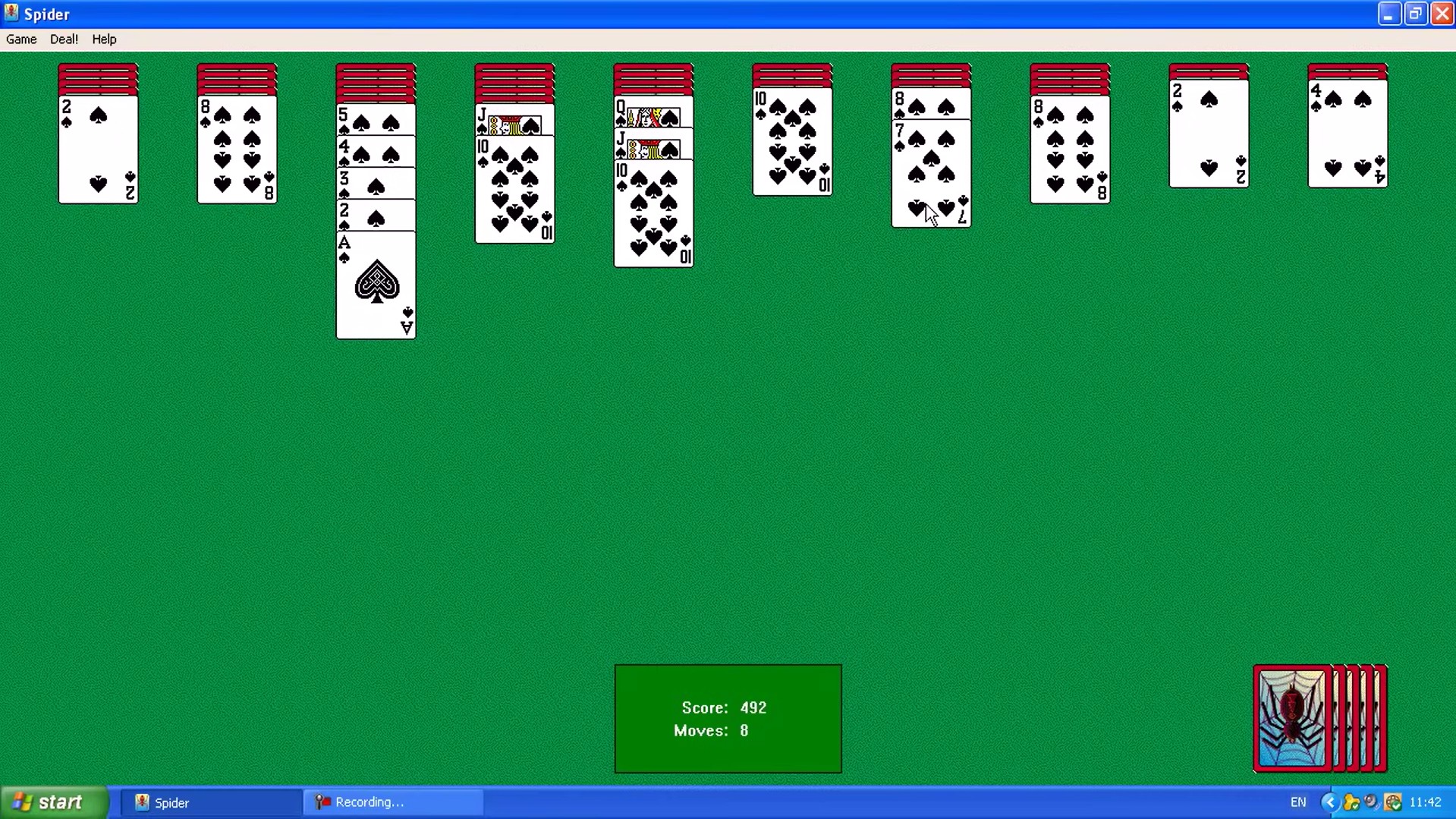
Microsoft has always regarded games as part of the Windows experience in the early days. Windows 1.0 had "Othello" built-in when it was launched in 1985, Windows 3.0 added "Solitaire" in 1990, and Windows 3.1 and 3.11 provide "Solitaire", "Minesweeper" and "Hearts" related to Windows for Workgroups 3.1. The Windows 95 and Windows 98 series include Solitaire, Minesweeper, FreeCell and Hearts; Windows Me further adds Spider Solitaire, 3D Pinball and Internet games. Windows 2000 provides "Solitaire", "Spider Solitaire", "FreeCell", "Minesweeper" and "3D Pinball", while Windows XP retains "Hearts" and Internet games on this basis.
Windows Vista is considered to be the period with the richest lineup of classic games. The system has not only updated "Mine Sweeper", "FreeCell" and "Solitaire", but also added "Chess Titan", "Mahjong Titan" and "Purble Place". Some advanced versions also provide "InkBall". Windows 7 basically retains the complete lineup, including Solitaire, Spider Solitaire, FreeCell, Hearts, Minesweeper, Chess Titan, Mahjong Titan, Purble Place and Internet games.
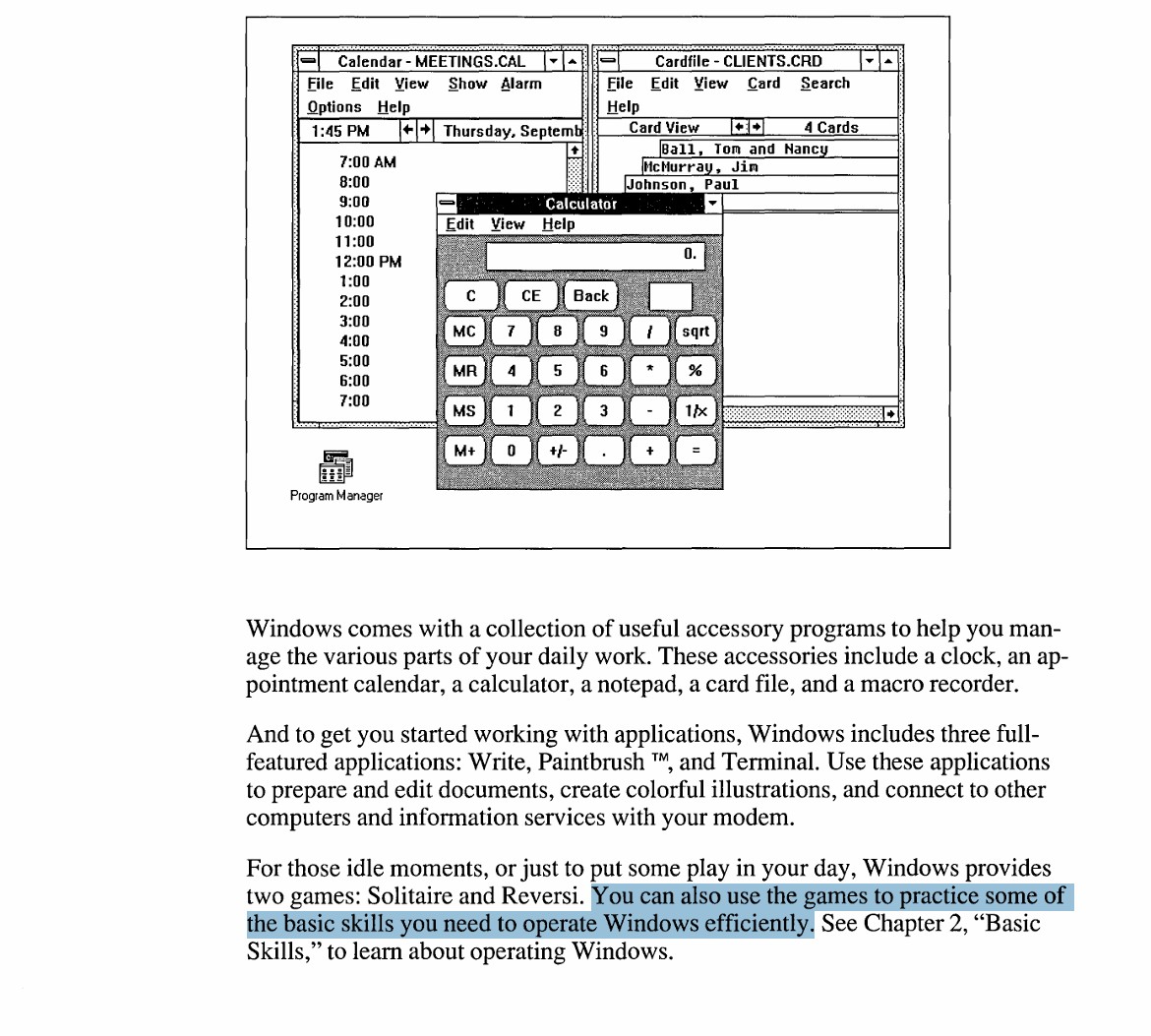
These games didn't start out just to kill time. The Windows 3.0 User's Guide stated that "Othello" and "Solitaire" can help new users practice using the mouse and keyboard. Windows 3.1 later replaced Othello with Minesweeper. Over the next few years, Microsoft continued to pour resources into updating and expanding these games, until Windows 8 broke with that tradition.
Windows 8 turns classic games from Windows features into Microsoft Store apps. Microsoft removed traditional built-in games and directed users to the Windows Store. "Microsoft Solitaire Collection" integrates Solitaire, FreeCell, Spider Solitaire, TriPeaks and Pyramid in the form of an application; "Mine Sweeper" and "Mahjong" are downloaded from independent stores. Microsoft's support forums at the time also confirmed that the old version of the game had been permanently removed and the store version became an alternative.
However, removing built-in games does not mean that Microsoft has given up on them. The change is part of Microsoft's shift toward apps, store distribution and Xbox connected experiences. When Windows 8 was released, Microsoft launched a number of Windows games that support Xbox Live. Microsoft Solitaire Collection and Minesweeper were also introduced along with full Xbox games.
Keeping games in Windows for the long term means Microsoft must be responsible for maintaining them over the long term. Microsoft has encountered this problem with the "3D Pinball" project. Microsoft engineer Raymond Chen once explained that the 64-bit ported version has serious collision detection vulnerabilities, and the relevant code is old, has few comments, and was originally written by an external company. Microsoft ultimately decided that it was not necessary to invest a lot of engineering time in understanding and fixing the code, so it could no longer make 3D Pinball a part of the system.
"Minesweeper" also faced similar complex problems. A former Microsoft user experience researcher once said that there were internal discussions within the company about whether to change the "mines" in the game into flowers in Vista. Raymond Chen also mentioned this discussion in a blog. The art modification that originally seemed to only take a few minutes actually involved localization, accessibility, and cultural sensitivities in different regions, making it far more complicated than expected. Once a free game becomes part of Windows, it is no longer a simple matter.
Changes in licensing and distribution methods have also made it easier for Microsoft to put games outside of the operating system. Today, music and games no longer need to be provided with Windows installation discs. Steam, Xbox and the Microsoft Store can all handle the distribution of these contents. Unlike the system installation CDs of the 1990s, Windows Installer no longer needs to double as a multimedia software package.
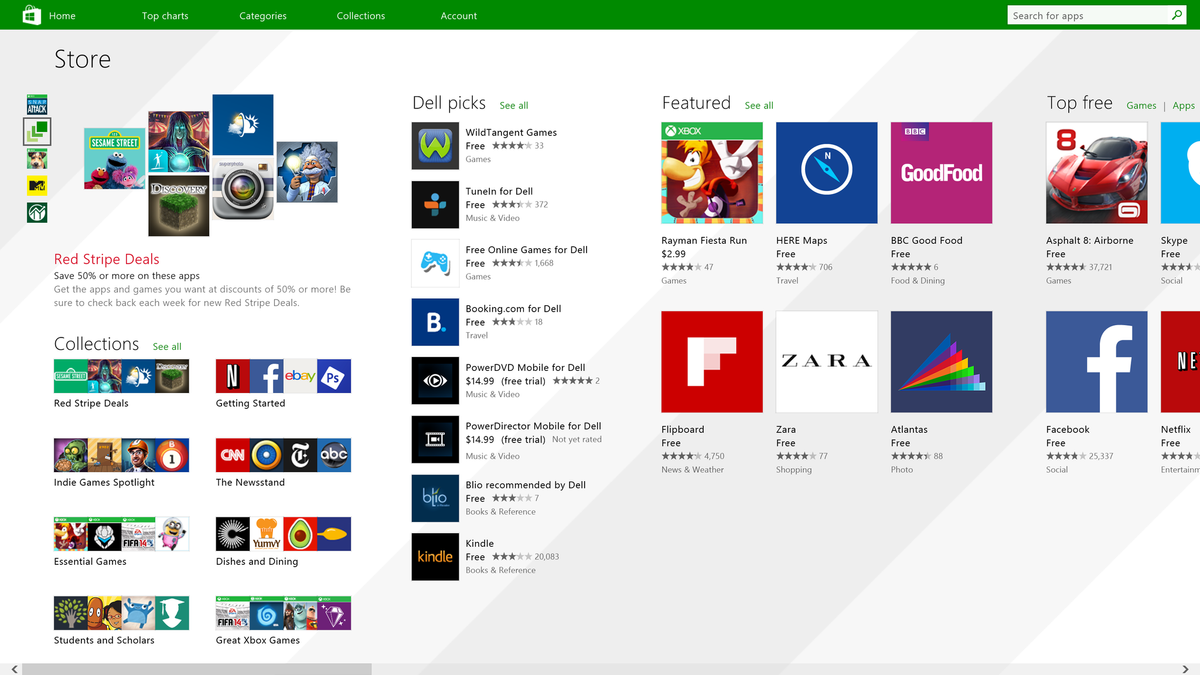
So it's not that Microsoft stopped making games, it just stopped making games part of Windows itself. In 1995, Microsoft could put games, music and multimedia content directly onto installation discs because users were buying the operating system product. Nowadays, Windows is regarded more as a platform, and games exist in the form of independent applications and services. This model can also bring more revenue to Microsoft.
This is why Windows 11 today gives people a different feeling. In the past, users did not download "Solitaire" on Windows, but felt that "Solitaire" was originally a part of Windows. Once a game becomes an integral part of the operating system, Microsoft must make the same long-term commitment to code maintenance and compatibility as it did to 3D Pinball. When the cost of that commitment was no longer worth it, Microsoft chose to remove the game from the system.
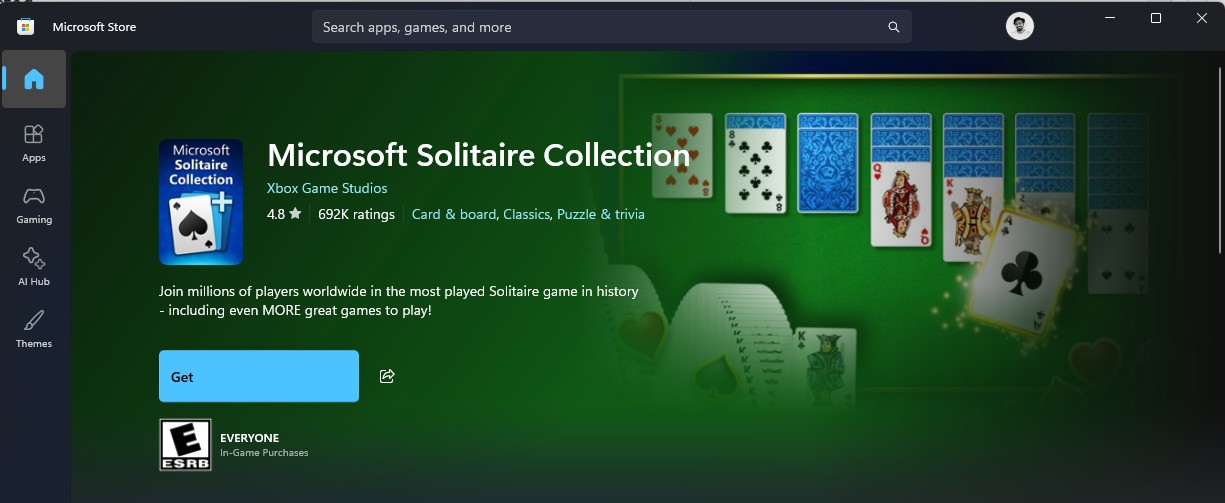
Windows 8 and subsequent versions no longer offer traditional desktop games. The "Microsoft Solitaire Collection" is built into Windows 10, and other casual games are mainly converted to Microsoft Store applications. With Windows 11, the "Microsoft Solitaire Collection" is still available, but the classic desktop game no longer belongs to the operating system itself.
For many users, this change is not only a change in the way software is distributed, but also means that Windows has gradually transformed from a "product containing various contents" to a platform hosting applications and services. In the past, games that could be played directly after installation eventually became the common memories of a generation.
Comments