
Abstract:
The U.S. Federal Trade Commission (FTC) has approved a new fiber classification called renoa, the first new fiber classification approved in 25 years
. Everbloom, the startup developing the material, hopes the cashmere-like fiber, made from waste protein, will provide a washable, easier-care and potentially cheaper alternative.
FTC is responsible for fiber labeling supervision in the United States. According to Everbloom, renoa’s raw materials include cashmere and wool scraps, as well as waste proteins such as down and feather “down” produced in the bedding industry. The company processes these waste materials into a powder, mixes it with biodegradable biopolymers, and then extrudes it into specific lengths and diameters to simulate the target natural fibers.
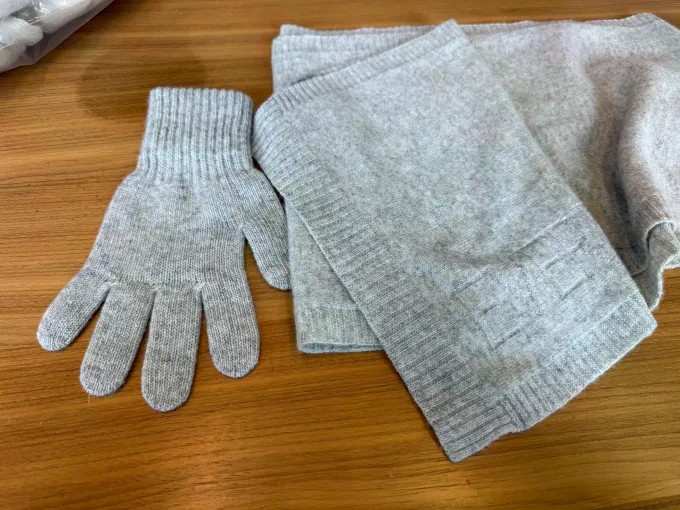
Everbloom has made samples such as gloves and scarves out of renoa. The scarf in the picture is tumble dried
Everbloom has been developing this fiber for three years and is currently promoting large-scale production. The startup develops its own AI models for materials science, and cashmere-like alternative materials are its first products.
TechCrunch reporters saw samples of crew neck sweaters, knitted gloves and scarves made of renoa at the Everbloom headquarters in New York. The reporter said that the sweater and gloves were soft and light; the scarf looked unremarkable, but it had gone through the washing and tumble drying that pure cashmere scarves usually cannot withstand. Gulati said the scarf has been worn and washed repeatedly over the months and has not pilled or shrunk.
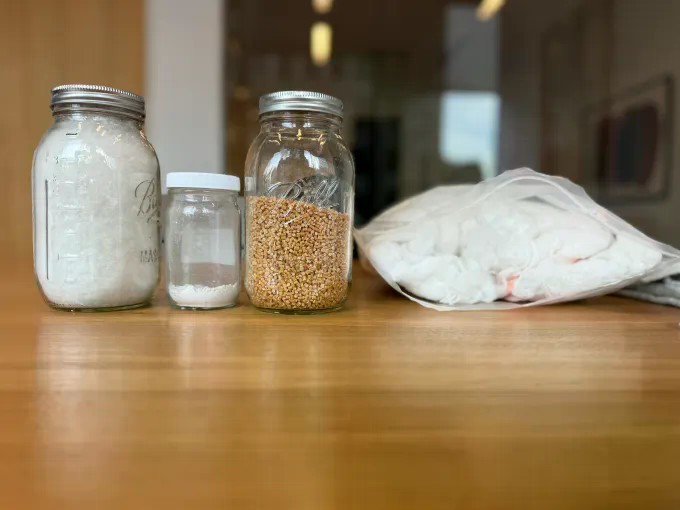
Waste feathers (left) are ground into powder (second from left) and then combined with biopolymers to form pellets that can be fed into the extruder (second from right)
Cashmere is popular in the fashion industry, but is still relatively expensive, difficult to care for and environmentally controversial, according to reports. Cashmere-producing goats have been accused of destroying pastures in many parts of Central Asia.
Everbloom is working with a number of companies to bring renoa into consumer products. The first products may use renoa as a blended fiber, for example, in a cashmere sweater
accounting for about 20%
. Gulati said,The first product is expected to be launched in the second quarter of 2027
.The 80% cashmere, 20% renoa blend sample experienced by TechCrunch reporters is "very close to real cashmere." Gulati said the additional finishing that comes with commercial garments should smooth out the differences without compromising washability and garment stability.
Comments