
Abstract:
An international research team found that two experimental niobium-titanium-based alloys can still maintain extremely high crack resistance in extreme low-temperature environments close to absolute zero. This discovery breaks the long-standing understanding of low-temperature embrittlement of metals in the field of materials science and opens up a new direction for the development of more reliable materials for future fusion energy devices, quantum computing equipment, spacecraft, and hydrogen energy infrastructure.
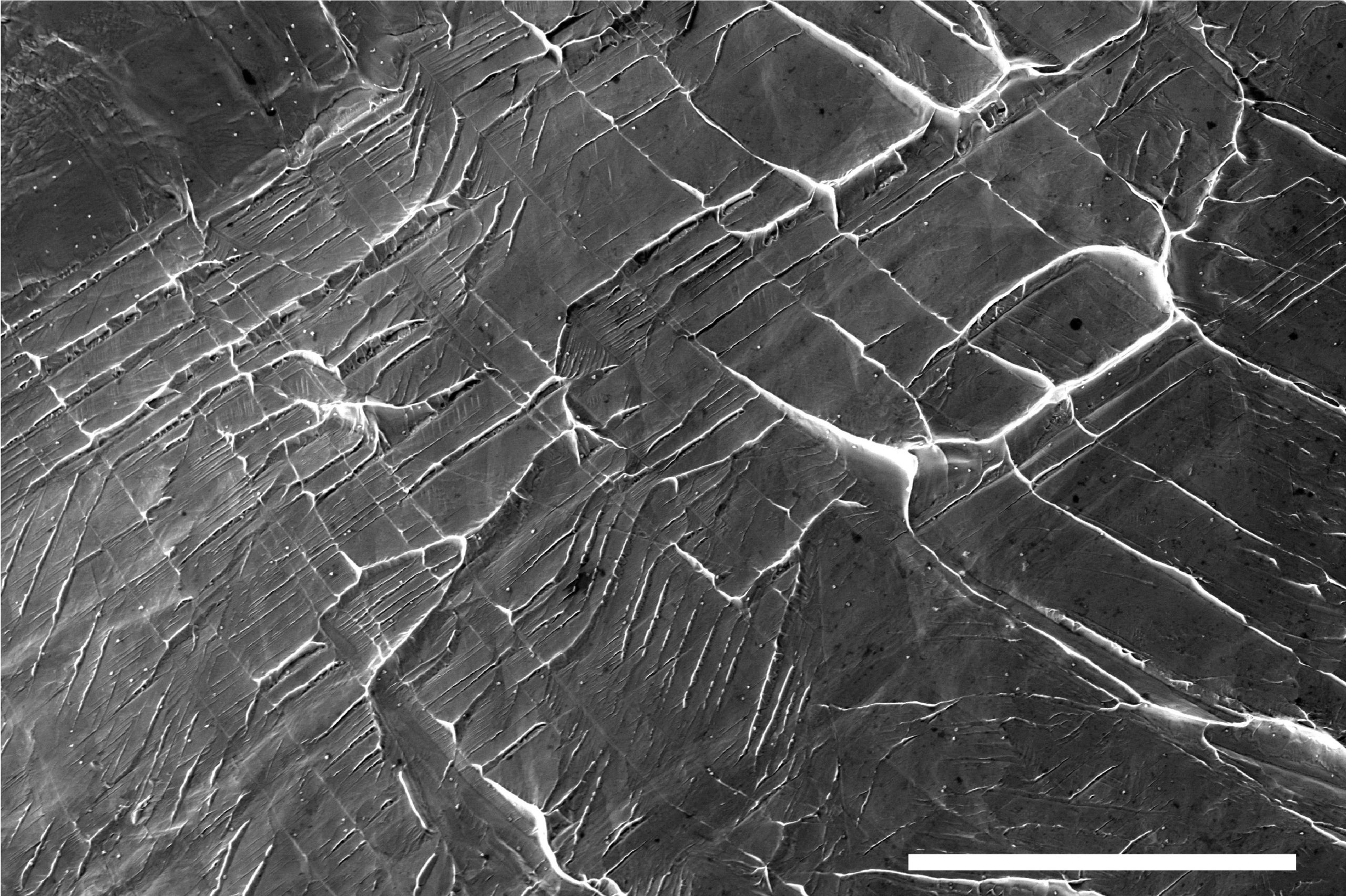
Most metals become stronger as temperatures drop, but they also become more susceptible to breakage. This is especially true for body-centered cubic structure metals such as iron, tungsten and chromium. When temperatures drop to extremely low levels, stresses that could otherwise be absorbed through bending or deformation often turn into sudden fractures.
The important reason for this phenomenon is that the dislocation activity within the metal is restricted. Dislocations are linear defects in crystal structures that help metals plastically deform when exposed to external forces. However, as the temperature continues to decrease, these dislocations become increasingly difficult to move, causing the material to lose its ability to relieve stress and become more fragile.
A research team jointly led by the University of California, Berkeley, Lawrence Berkeley National Laboratory, and the University of Oxford in the United Kingdom found that two niobium-titanium-based experimental alloys can avoid this problem. Even in an environment of 20 Kelvin, which is about minus 253 degrees Celsius (minus 424 degrees Fahrenheit), they still show strong resistance to cracking, and there is no measurable brittle transition at the lowest temperature tested experimentally.
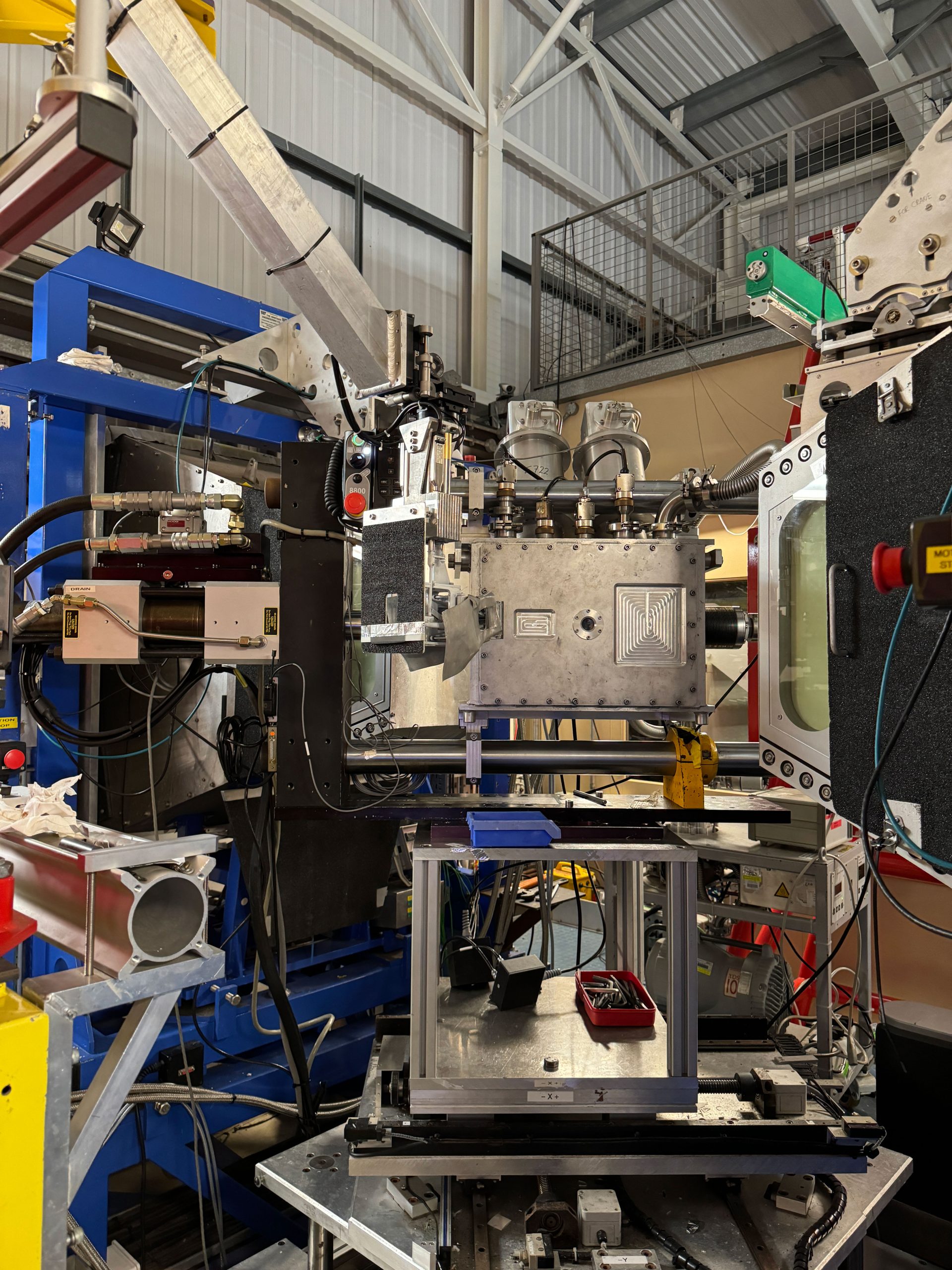
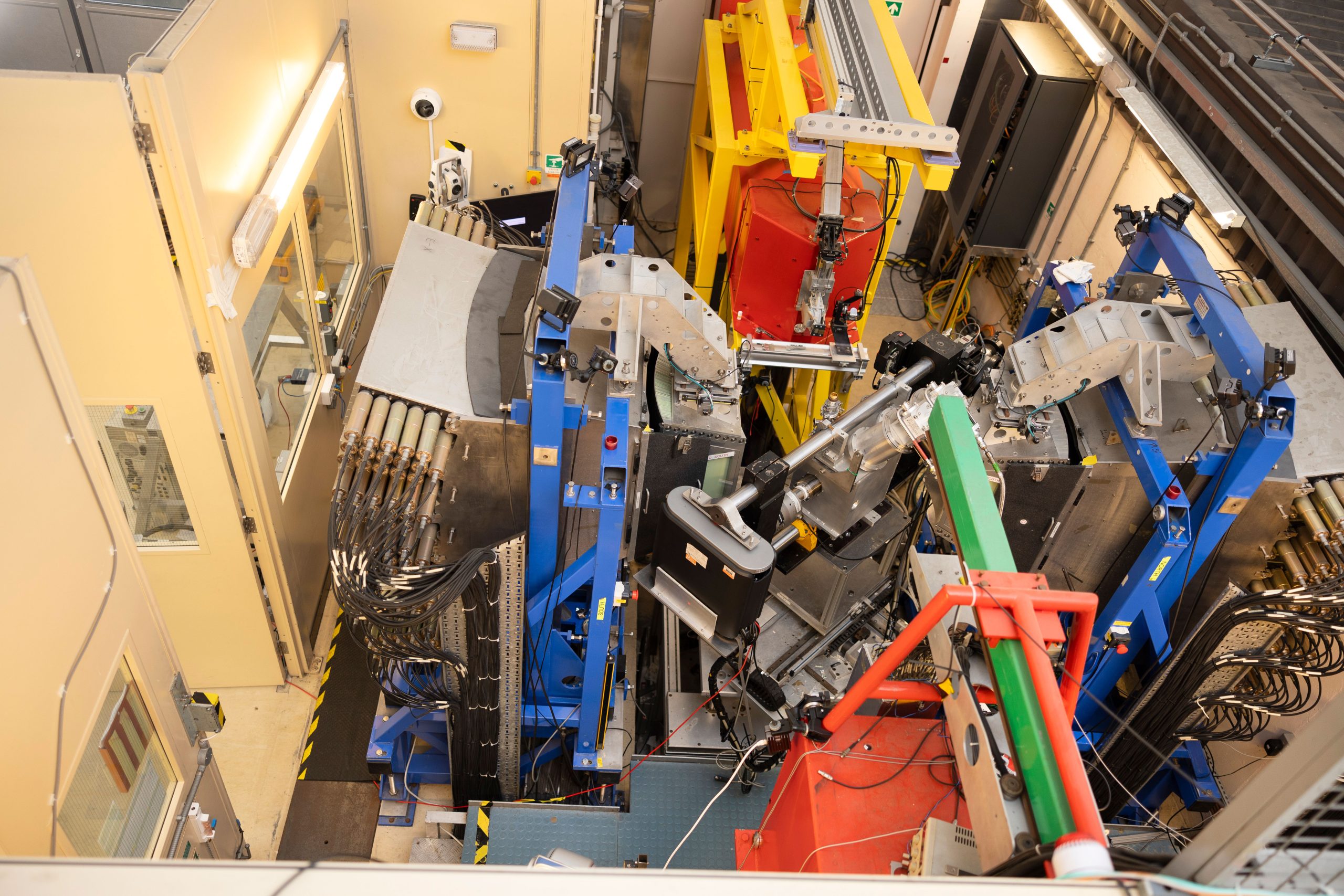
To study the behavior of these materials at extremely low temperatures, scientists conducted experiments using the Engin-X facility at the ISIS Neutron and Muon Source in Oxfordshire, UK. They used helium to cool the sample to about minus 253 degrees Celsius, and then performed biaxial tensile tests on the sample under neutron beam irradiation to accurately measure the load the material could withstand and how much it stretched before breaking.
Further electron microscopy observations revealed the secret to the material's toughness. The researchers found that a structural change called "nanotwins" occurs near cracks and within the alloy. During this process, local areas of the crystal are rearranged to form a mirror-symmetric structure, accompanied by a local transformation of the crystal structure.
When these newly formed structures contact adjacent grain boundaries, they will generate local high stress areas and further induce the generation of new crystal defects. The new defects can continue to undertake the task of plastic deformation, so that the material can continue to deform when subjected to stress instead of directly cracking.
The researchers likened this mechanism to the road network's emergency response during a snowstorm. When existing roads are blocked by ice and snow, the transportation system will open up new routes. Likewise, when conventional dislocation motion is restricted at extremely low temperatures, the formation of nanotwins creates new deformation channels that maintain the material's toughness.
The research team stated that this previously underappreciated microscopic mechanism reveals a new way of resisting low-temperature embrittlement. In the past, the engineering community has always believed that body-centered cubic metals are difficult to avoid embrittlement at ultra-low temperatures. However, this study shows that by rationally designing the alloy composition and microstructure, the material can actively switch deformation modes and continue to absorb and disperse stress.
The researchers believe that this discovery is expected to promote the development of a new generation of low-temperature engineering materials in the future. In fusion reactors, liquid hydrogen storage and transportation systems, deep space detectors and quantum technology equipment, many key components need to work at extremely low temperatures for a long time. Materials that can combine high strength and toughness will significantly improve the reliability and safety of these advanced technology systems.
Relevant research results have been published in the international academic journal "Nature". The research team said that the next step will be to explore whether this mechanism can be extended to more metal systems and to design new engineering alloys suitable for more harsh environments.
Comments