
Abstract:
Intel CEO Chen Liwu recently shared his views on future computing technology at a public event. He said that photonic quantum computing is showing impressive development potential, and artificial intelligence agents have begun to change the way they work, and even become "homework assistants" to help organize information and complete research preparations.
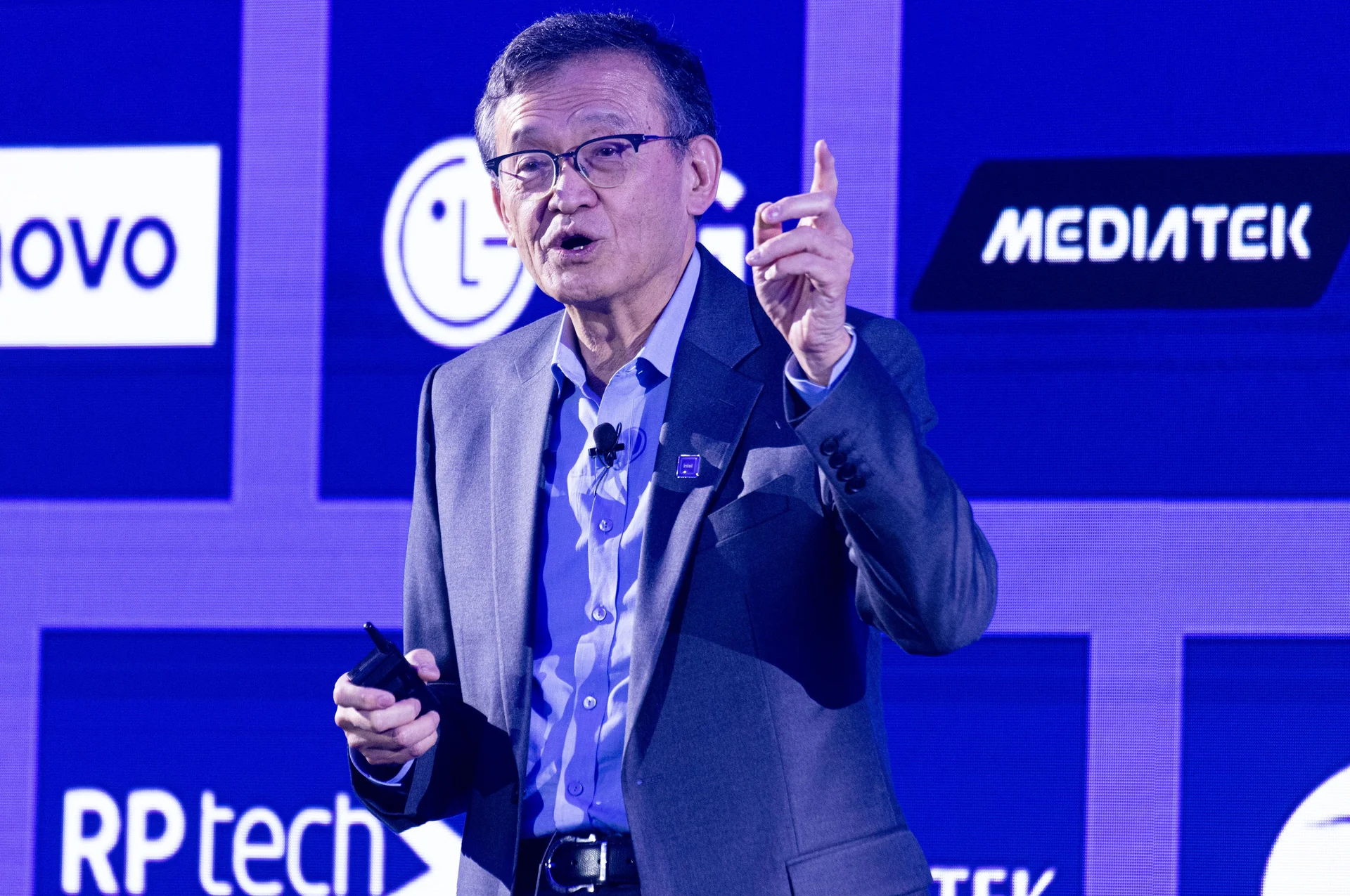
When talking about the next generation of computing technology, Chen Liwu specifically mentioned the field of photon quantum computing. He believes that compared with the current mainstream quantum computing routes, solutions that use photons as information carriers have unique advantages, and the progress made by related technologies in recent years is particularly worthy of attention.
Chen Liwu said that he has recently contacted a number of companies engaged in the research and development of photon quantum computing and is surprised by the speed of development in this direction. In his view, quantum computing is still in its relatively early stages, but the industry is starting to show signs of moving from experimental research to practical applications.
He pointed out that truly impactful breakthroughs in the future may come from the parallel development of multiple technology lines, and photonic quantum computing is likely to occupy an important position among them. As hardware capabilities continue to improve and system scale gradually expands, related technologies are expected to play a role in fields such as materials science, drug research and development, complex optimization, and scientific simulation.
In addition to quantum computing, Chen Liwu also talked about the changes that artificial intelligence will bring to the way individuals work.
He admitted that he now relies more and more on AI agents to help complete preparations. When faced with a large amount of data, industry reports and technical information, the AI system can quickly organize the content, refine the key points and form preliminary analysis results, thereby helping it to carry out decision-making and research more efficiently.

According to his description, these AI tools have become his "homework assistant" in a sense. Background research, information collection, and data reading that used to take a lot of time to complete can now be handled more and more by AI first, and then reviewed, judged, and made final decisions by yourself.
However, Chen Liwu also emphasized that artificial intelligence will not replace the human thinking process.
In his view, the greatest value of AI is to improve efficiency, rather than to make decisions on behalf of leaders. For business managers, the key still lies in how to interpret information, formulate strategies and take responsibility for decision-making, and this part of the work still needs to be done by humans.
As the new CEO who just took over Intel, Chen Liwu has been pushing the company to refocus on core technology competitiveness, including advanced processes, foundry business, artificial intelligence, and future computing architecture.
Industry insiders believe that Chen Liwu’s simultaneous talk of AI agents and photon quantum computing also reflects Intel’s further expansion of its focus on next-generation computing platforms. In addition to competition between traditional CPUs and GPUs, the future computing industry will increasingly rely on the integrated development of artificial intelligence, quantum computing and new hardware architectures.
As global technology companies accelerate their deployment in the fields of artificial intelligence and quantum computing, related technologies are gradually moving from laboratories to commercialization. Chen Liwu's statement also shows that even the leader of one of the world's largest semiconductor companies is now beginning to regard AI as an important part of daily work and pay close attention to emerging technologies that can change the future computing landscape.
Comments