
Abstract:
Imaging giant Canon recently officially released its next-generation main model of entry-level full-frame mirrorless camera - EOS R8 Mark II. As a lightweight full-frame body upgrade that is favored by creators, the new camera continues to be lightweight, portable and has excellent capture performance. At the same time, it focuses on making up for the core shortcomings of the previous generation product in terms of body image stabilization and battery life. It aims to provide advanced photography enthusiasts and independent video creators with a more competitive comprehensive solution.
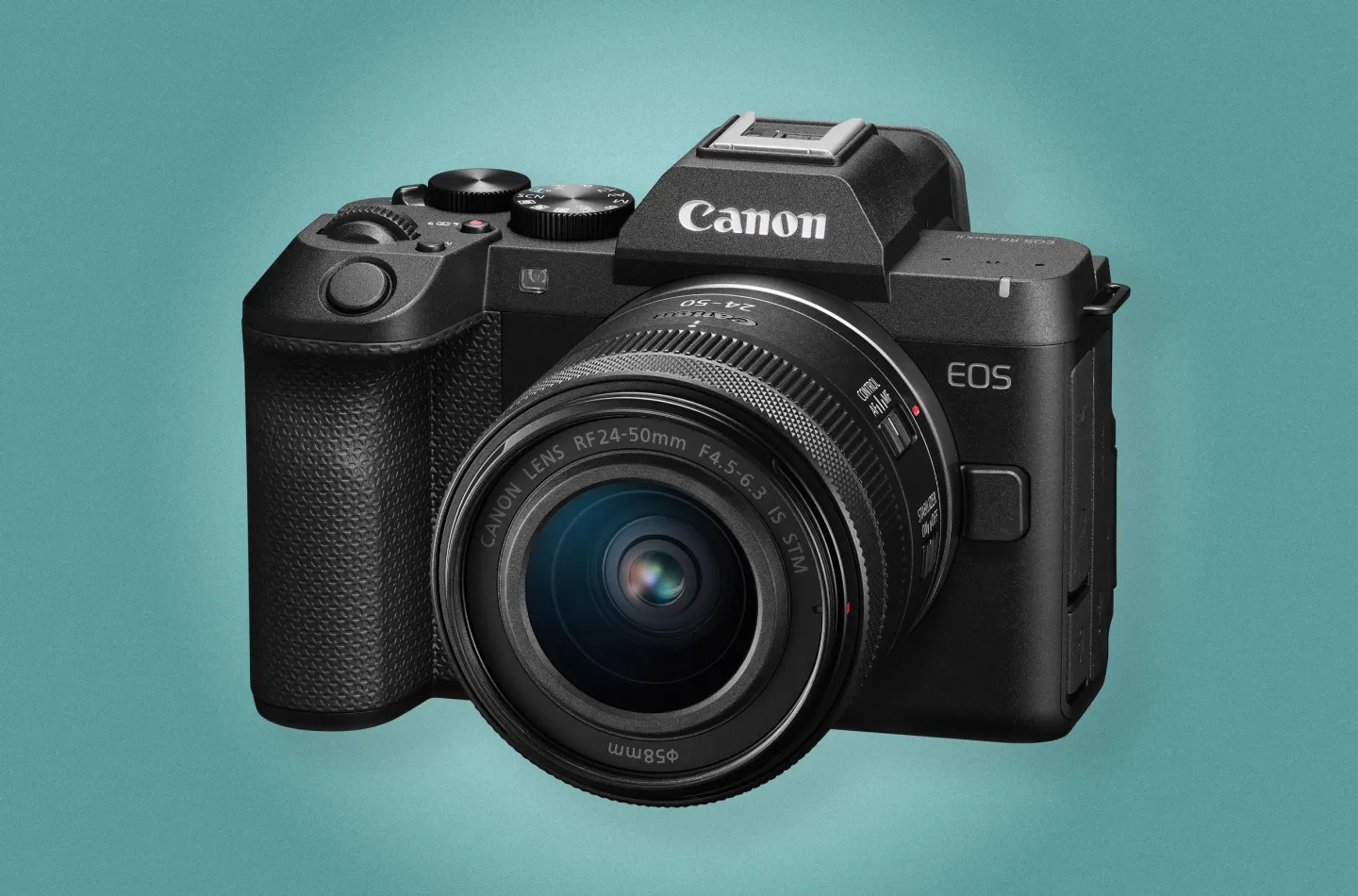
In terms of core imaging configuration, EOS R8 Mark II is equipped with a newly optimized 24.2-megapixel full-frame CMOS image sensor and is matched with the latest DIGIC image processor. Thanks to the in-depth integration of computational photography algorithms, the new machine has achieved step-by-step improvements in low-light, high-sensitivity noise control and dynamic range performance. The autofocus system has been upgraded to the latest version of full-pixel dual-core CMOS AF. With the help of deeper deep learning algorithms, it can perform faster and more sticky real-time tracking and focusing on human faces, eyes, animals and a variety of vehicles.
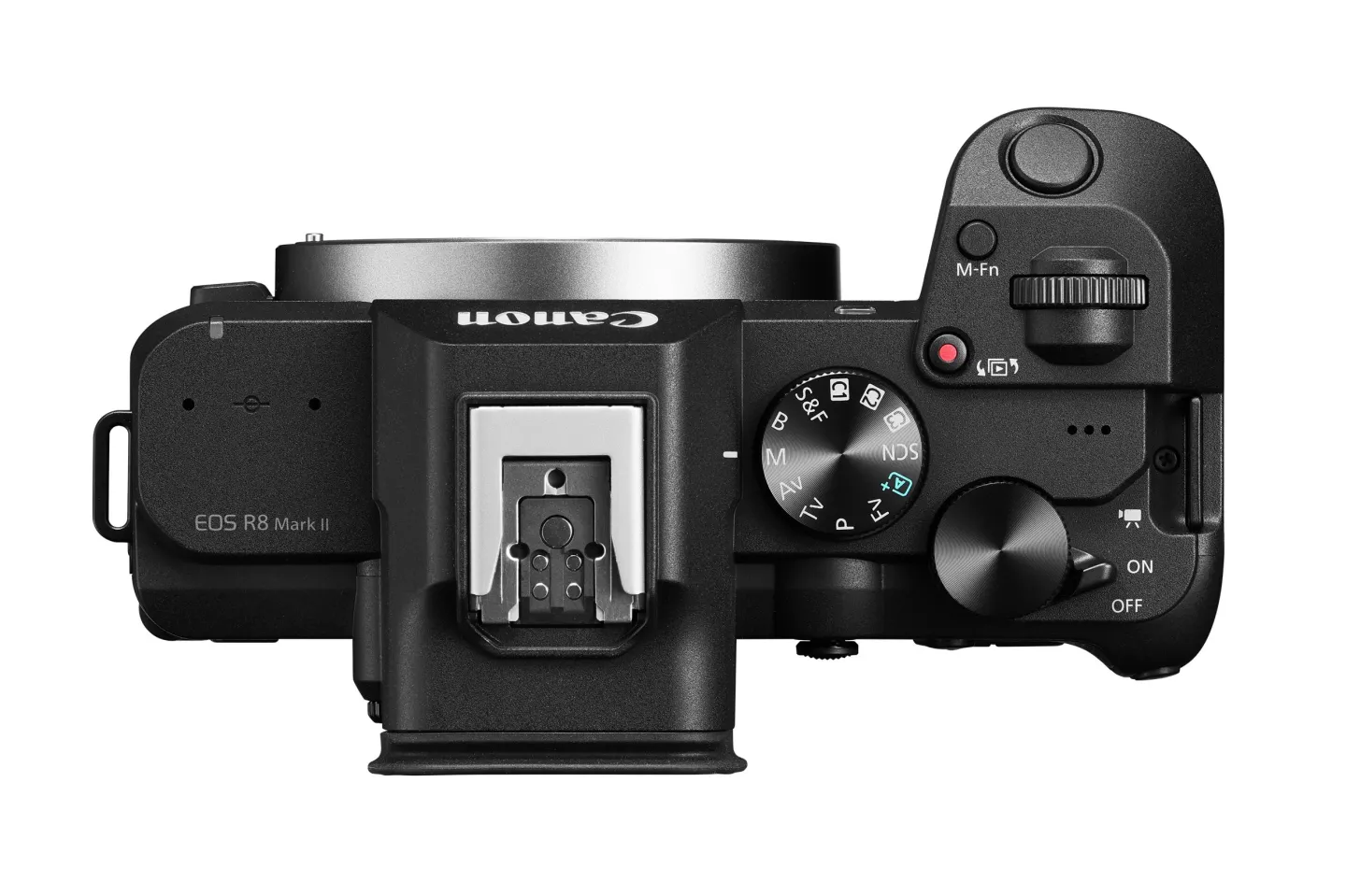
The major upgrade that has attracted the most attention from the outside world is the official decentralization of the five-axis in-body image stabilization (IBIS) system. Although the original EOS R8 is famous for its lightness, the lack of on-body hardware anti-shake has always been an obvious pain point when it comes to low-light slow-motion shooting and handheld video creation. This time, the EOS R8 Mark II has successfully inserted a miniaturized mechanical anti-shake module into an extremely compact body. When working together with an RF lens with anti-shake characteristics, it can achieve a high-end comprehensive anti-shake compensation effect, greatly expanding the user's shooting rate in low-light street photography and handheld lens shooting.
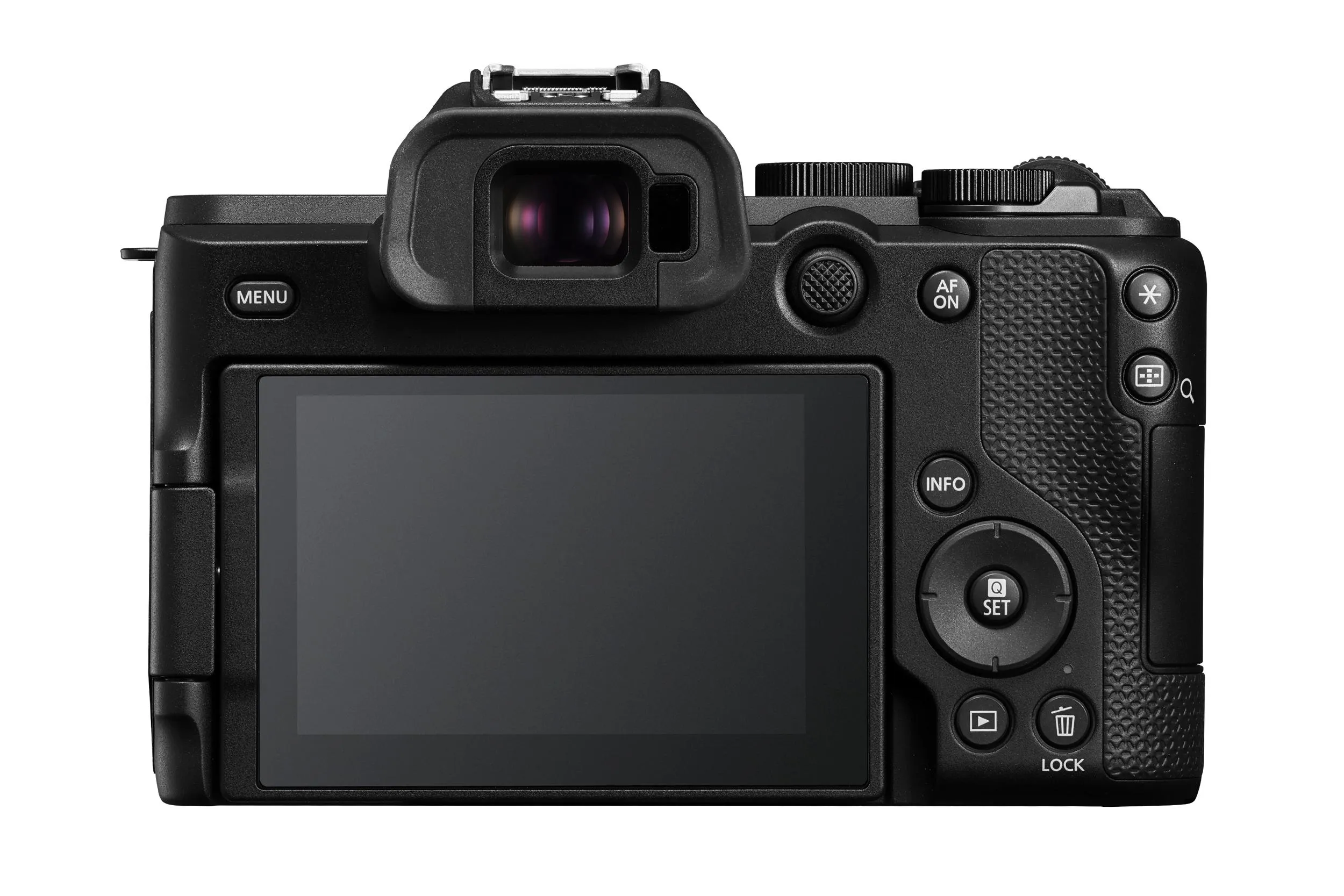
In terms of video shooting capabilities, the new machine supports full-frame 6K super-sampled 4K 60p high-definition video recording without cropping, and supports 10-bit 4:2:2 color sampling and Canon Log 3 curves, giving greater color adjustment latitude in post-production. In response to the heat challenge during continuous high-profile recording, Canon has redesigned the heat dissipation path inside the fuselage, effectively extending the overheating shutdown threshold under high-profile recording. In addition, the new phone also complies with the long-term voice of users and uses a battery with a larger capacity, which greatly alleviates the anxiety of battery life on a single charge.
According to the officially announced pricing and release schedule, the official suggested retail price of the Canon EOS R8 Mark II standalone body is set at US$1,699, and a kit package with the RF 24-50mm f/4.5-6.3 IS STM standard zoom lens will be provided for US$1,899. The new machine is expected to be available for pre-sale and official launch starting next month through Canon’s official authorized retailers and global mainstream imaging channels.
Comments