
Abstract:
The camera configuration information of Samsung's next-generation top flagship model Galaxy S27 Ultra has once again sparked heated discussions recently. In response to the differences in telephoto lens plans previously circulated in the industry, many well-known technology whistleblowers have successively given more consistent and latest details. Taken together, the Galaxy S27 Ultra is expected to continue the 5x periscope optical telephoto design instead of the previously rumored 4x optical variable module, and the front selfie lens is expected to receive a substantial upgrade.
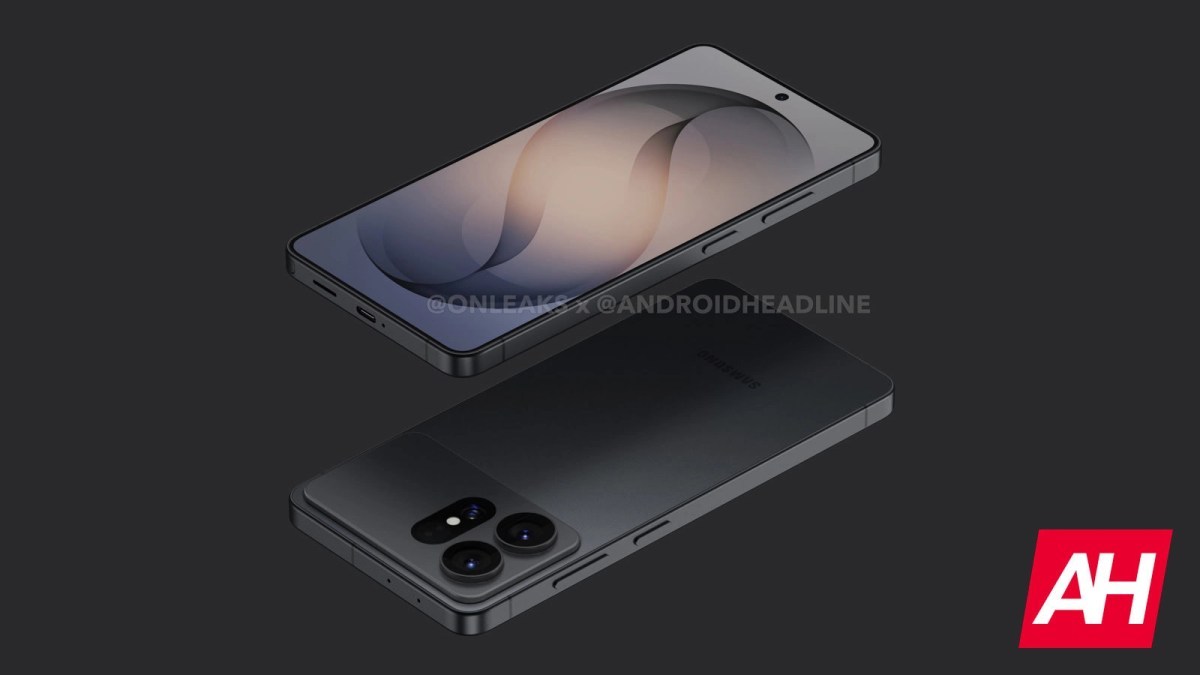
Previous supply chain news said that Samsung planned to use a 1/1.9-inch outsole 4x optical telephoto sensor on the Galaxy S27 Ultra. However, this statement has been recently denied by multiple authoritative sources. Well-known technology whistleblower Roland Quandt and digital blogger Ice Universe recently revealed that the Galaxy S27 Ultra will not switch to 4x optical zoom, but will continue to be equipped with a 50-megapixel Sony telephoto sensor that supports 5x optical zoom. Its overall specifications are basically the same as the previous generation Galaxy S26 Ultra.
In terms of other rear lens configurations, reports indicate that the Galaxy S27 Ultra’s ultra-wide-angle lens will maintain a 50-megapixel specification, which is on par with the previous generation. However, in terms of the front lens, the new phone shows perceptible changes: its front selfie camera is expected to say goodbye to the 12-megapixel sensor that has been used for generations, and will be upgraded to a new 16-megapixel lens that supports autofocus function, aiming to further improve portrait resolution and daily video call quality.
In addition to the imaging system, predictions about the overall core configuration of the machine are becoming increasingly clear. It is expected that the Galaxy S27 Ultra will use Samsung's latest M16 high-specification OLED screen panel. In terms of core computing platform, models sold in some markets will be equipped with Qualcomm Snapdragon 8 Elite Gen 6 Pro flagship chip. There are also rumors that Samsung still plans to provide versions equipped with self-developed Exynos 2700 processor in specific regional markets. As engineering prototype testing continues, more details about the aircraft’s imaging algorithm optimization and final lens arrangement are expected to be revealed in the coming months.
Comments