
Abstract:
A "fruit fly brain" based on a complete digital reconstruction of real biological structures has caused viral spread on the Internet and scientific research communities. As the international scientific research alliance released the first complete three-dimensional map and open source simulation tools of the adult Drosophila melanogaster whole-brain neuronal connectome, enthusiasts and researchers from various fields such as biology, computer science, artificial intelligence, and digital art quickly poured in, transforming this originally esoteric neuroscience cutting-edge achievement into a group digital exploration sweeping the Internet.
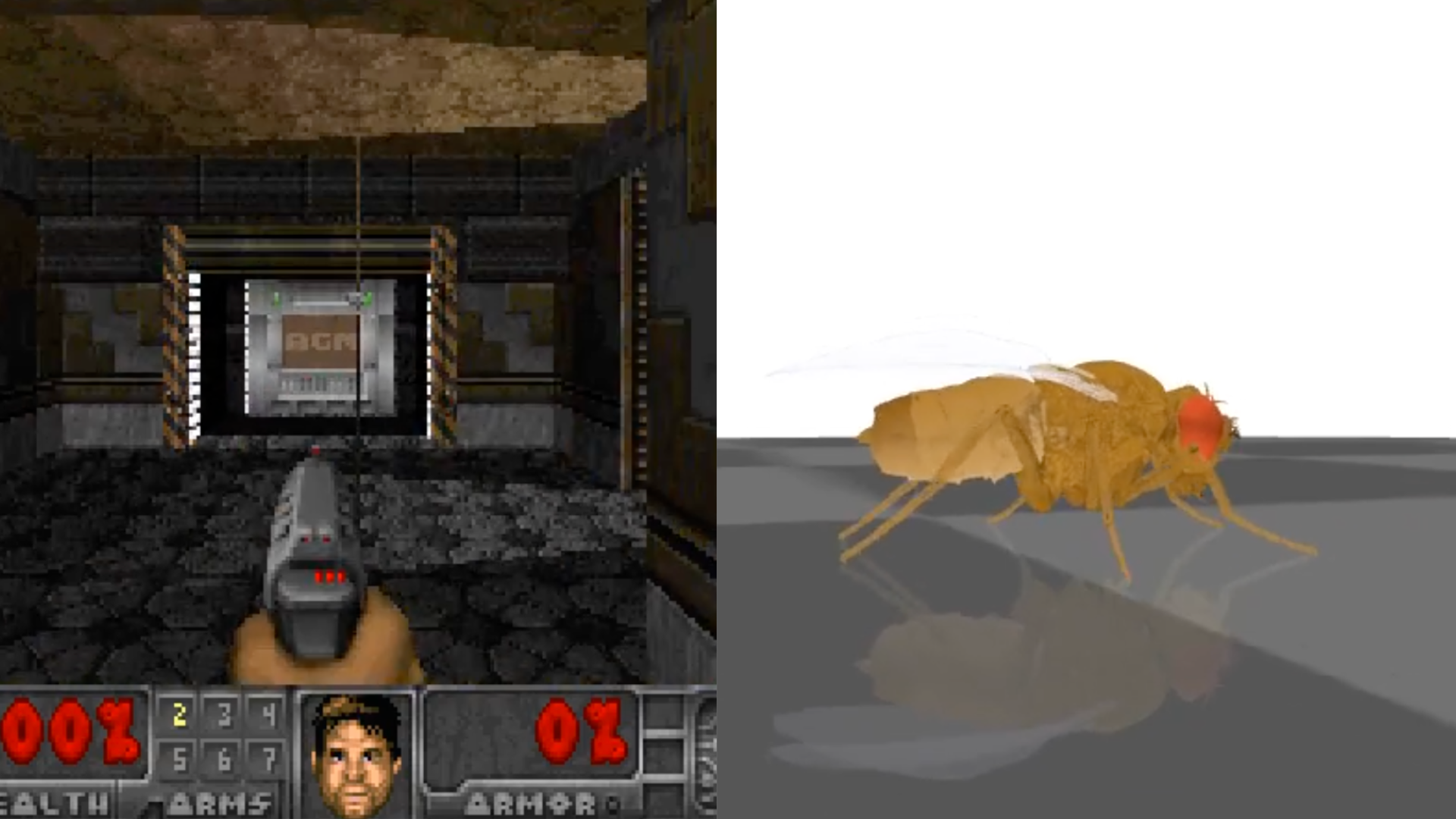
This underlying scientific research achievement that has attracted widespread attention stems from several years of cross-border collaboration between global neurobiology teams. Using ultra-high-resolution serial section electron microscopy scanning and AI-assisted image segmentation technology, researchers mapped the complete spatial topology of nearly 140,000 neurons and more than 50 million synaptic connections in the adult Drosophila brain.
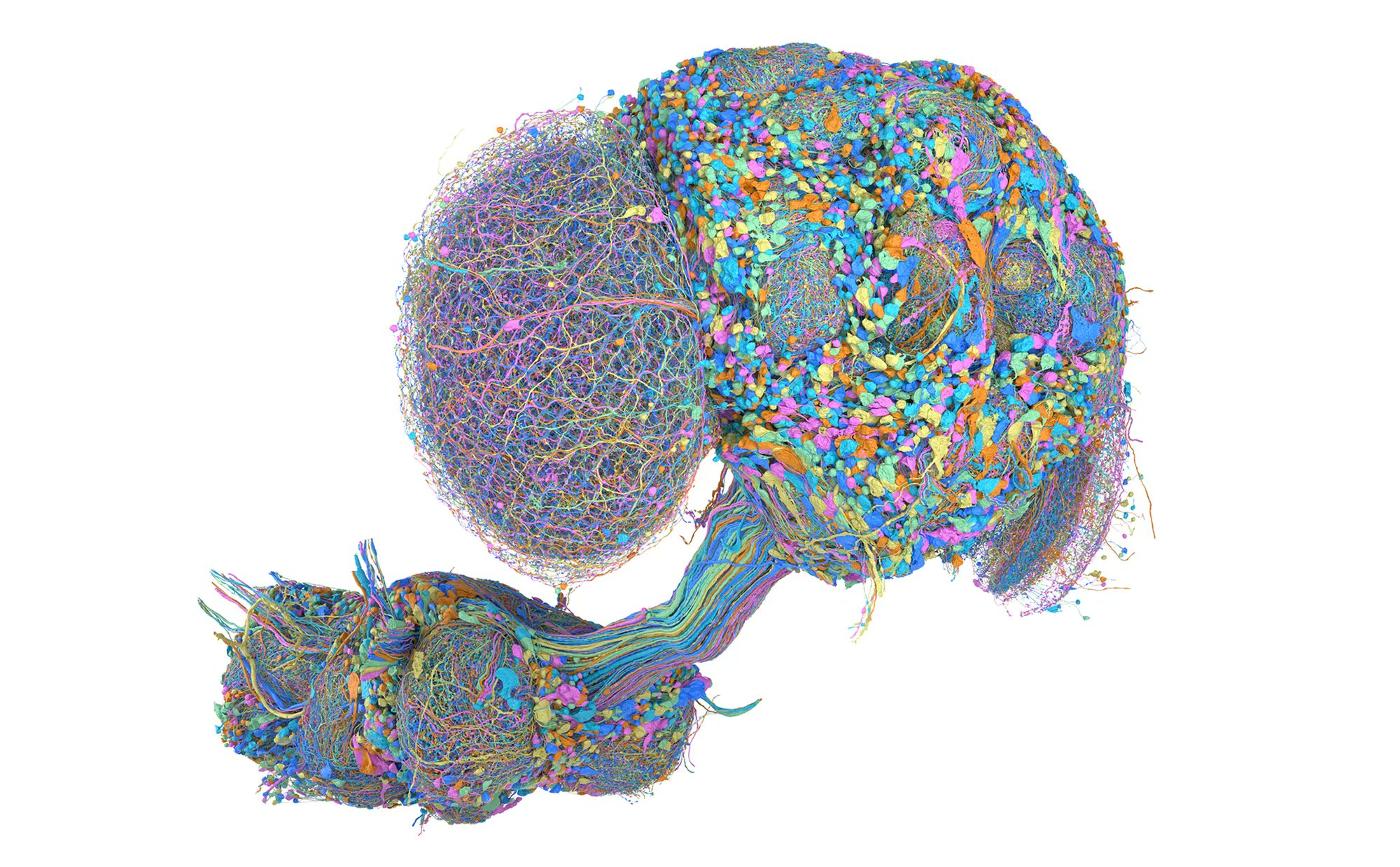
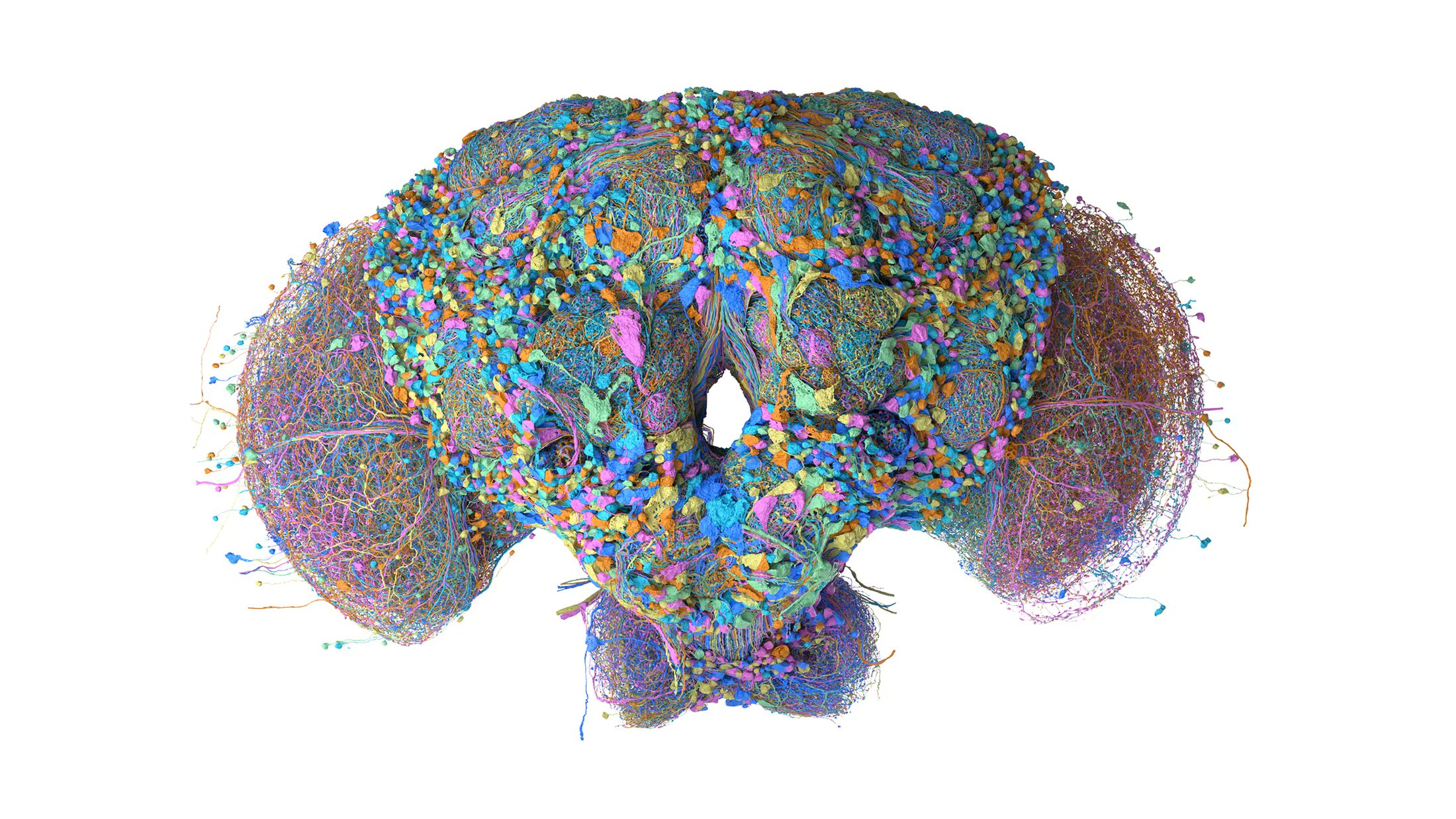
This is the first time in human history that the whole brain neural network of adult animals that can perform complex behaviors such as flying, navigation, courtship, and eating in complex environments has been completely analyzed, marking a new milestone in microscopic neural connectomics (Connectomics).
However, what really contributed to the explosive spread of this scientific breakthrough on the Internet was the project team's highly open approach to data and the development of lightweight interactive tools. With the help of the web-side 3D rendering engine and interactive simulation sandbox, netizens around the world do not need to install heavy professional biological analysis software. They can freely zoom and rotate the intricate nerve fiber bundles in the fruit fly brain using an ordinary browser. They can even manually activate specific sensory neuron clusters and observe the real-time diffusion and feedback paths of electrical signals in the digital synaptic network.
The online community's creativity in this model of digital life quickly spread beyond academia. On major social media and open source developer platforms, technology enthusiasts began to try to connect the digital fruit fly brain to the virtual physics engine to test the adaptive balance ability of its neural circuits in controlling virtual flight movements; some artificial intelligence engineers tried to extract the efficient smell and visual navigation circuits of fruit flies to train the next generation of extremely small neuromorphic robot control algorithms; some digital artists mapped the complex synaptic discharge timing into algorithmic soundtracks and generative light and shadow vision, creating unique biological interactive art.
Cognitive science experts pointed out that behind this Internet carnival surrounding the "digital fruit fly brain", it actually reflects the deep intersection between computational neuroscience and general artificial intelligence. Unlike traditional modern artificial neural networks that rely on violent stacking of computing power and massive parameters, biological brains can achieve highly autonomous environmental perception and real-time decision-making with minimal energy consumption and limited physical volume. Open source connectomics allows researchers around the world to skip black-box deduction and directly reverse-engineer the operating mechanism of real biological intelligence through digital simulation. This not only provides an unprecedented tool for exploring the mechanisms of consciousness and nervous system diseases, but will also bring profound enlightenment to the evolution of the next generation of low-power brain-like computing architecture.
Comments