
Abstract:
A new NASA-funded study shows that simulated galactic cosmic radiation triggers subtle, sex-specific molecular changes in immune cells in the brains of mice, even though the experimental mice showed no obvious memory or behavioral impairments when tested. The research sheds new light on understanding the potential impact of radiation on astronauts' brain health during long-duration deep space missions.
The Earth's atmosphere and magnetic field can shield a large number of high-energy particles in space, commonly known as cosmic rays. This radiation may damage spacecraft electronic equipment and may also affect biological tissue. As humans plan to travel to the moon, Mars and beyond, how cosmic radiation affects the brain has become an important topic in aerospace medical research.
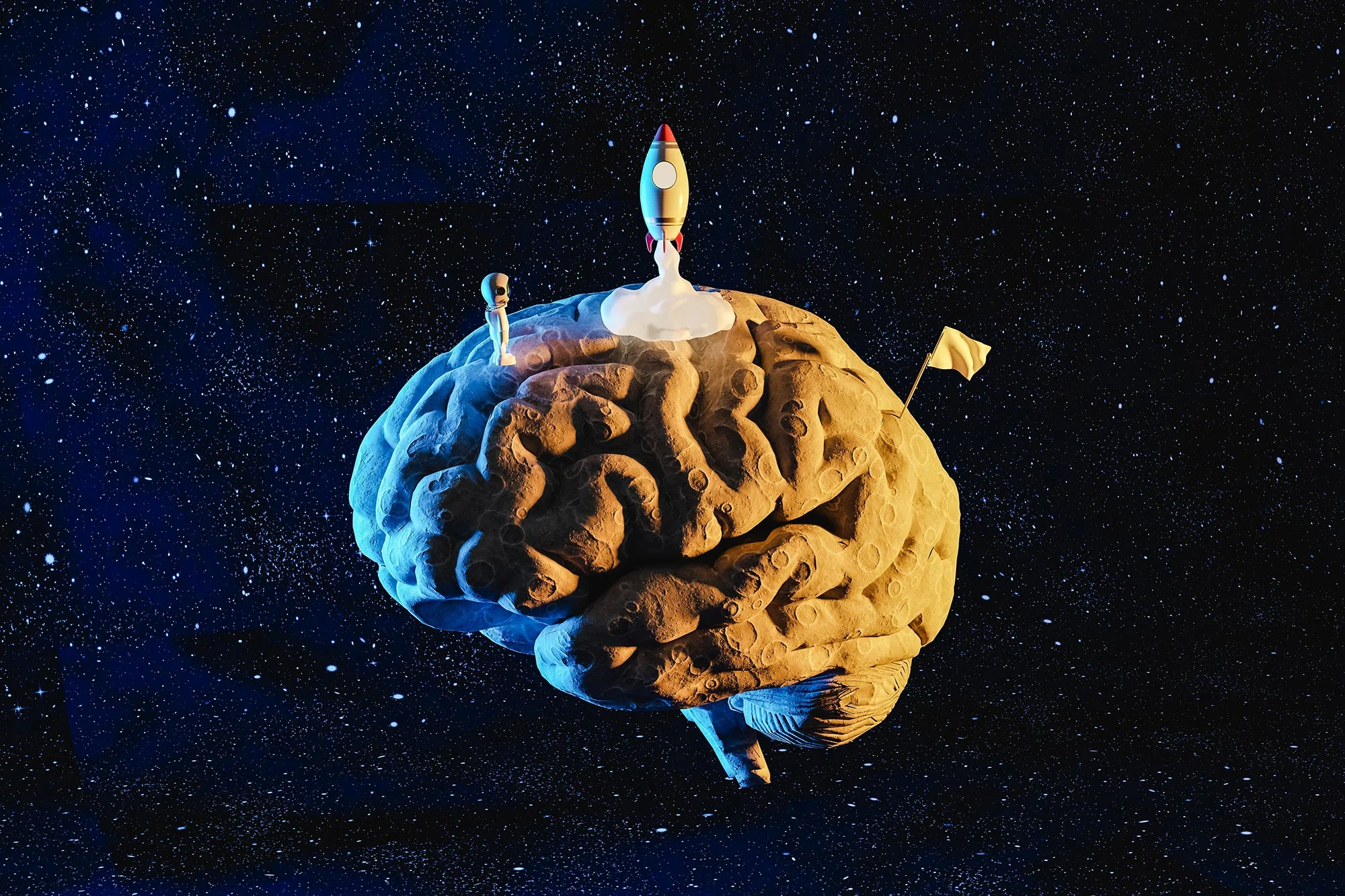
A research team led by Mark Osabutey, a graduate student in neuroscience at the University of Rochester, exposed male and female mice to a simulated cosmic radiation environment in the Milky Way at Brookhaven National Laboratory's NASA Space Radiation Laboratory. The researchers then used single-cell RNA sequencing technology to analyze nearly 16,000 of the brain's resident immune cells, known as microglia, to see how radiation changed gene activity in individual cells.
The results showed that microglia in male and female mice produced different molecular responses to radiation. Cellular changes in male mice mainly involved cellular stress adaptation and metabolic processes; female mice showed a broader decrease in the activity of immune signaling pathways. However, neither group of mice showed widespread inflammatory activation, and the researchers detected no radiation-related cognitive or behavioral impairments when tested.
Osabutey said that although clear molecular changes have occurred at the cellular level, the study did not find a widespread inflammatory response and no measurable behavioral damage was observed. This suggests that radiation-induced cellular responses may not immediately translate into detectable functional problems, but the long-term effects remain unknown.
Despite the gender differences, the study also found a common response in both male and female mice: the levels of FKBP5, a protein related to regulating cellular stress responses, increased in the cerebral cortex and dentate gyrus of both male and female mice. These brain areas are closely related to functions such as cognition, learning and memory. The researchers believe that further research is needed to determine whether FKBP5 plays a protective or harmful role, and how different radiation doses and other space flight stressors affect long-term brain health.
M. Kerry O'Banion, a professor of neuroscience at the University of Rochester, has long studied the effects of space radiation on the nervous system. He pointed out that the risk of cognitive changes caused by space radiation is real, and understanding how brain cells are changed and which mechanisms are affected can help develop countermeasures to protect astronauts or reduce the risk of their radiation exposure.
The study did not prove whether the observed immune cell changes were harmful, protective, or temporary. Researchers have also yet to determine whether these changes lead to neurological problems after long-term exposure. O'Banion said that more research needs to be conducted at different time points and in different experimental systems in the future to further understand its impact.
This research was funded by NASA and supported by a NASA Human Research Program Grant Enhancement Award. The research team is composed of personnel from the University of Rochester and Brookhaven National Laboratory. Brookhaven National Laboratory's particle accelerator provides critical support for the experiment by generating radiation environments relevant to space flight conditions. The research paper was published in Scientific Reports on November 20, 2026.
Comments