
Abstract:
Wood Mackenzie’s latest research said that in the 43 markets it included in the comparison, the levelized cost of electricity for four-hour battery energy storage was lower than that of open cycle gas turbines. Research covers Europe, North America, Latin America, Asia Pacific, and the Middle East and Africa. As artificial intelligence data centers drive up power demand, natural gas turbine supplies tighten, lead times lengthen, and fuel prices fluctuate, energy storage systems are becoming a more cost-competitive option to handle peak demand.
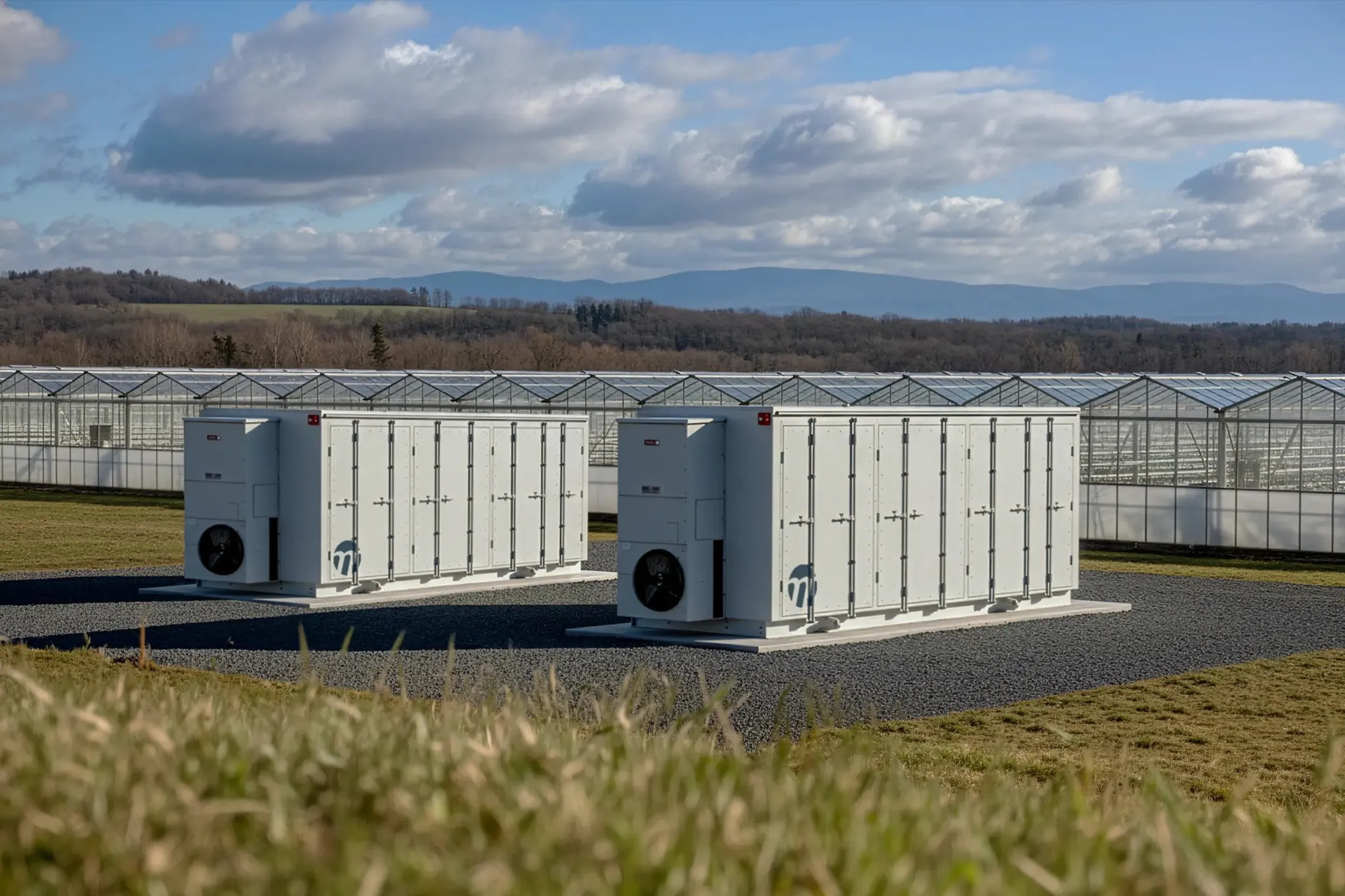
This conclusion compares the levelized cost of electricity when battery energy storage and open cycle gas turbines are used as peak shaving resources. It does not simply compare the purchase or installation prices of the two types of equipment, nor does it mean that the battery can continue to power the data center all day long without charging. Four-hour energy storage is usually discharged during peak power consumption, and its actual economics will also be affected by factors such as charging electricity prices, cycle times, energy storage duration, and local grid conditions. Therefore, the research results cannot be directly equated to the actual power supply cost of a data center after switching to batteries.
Four-hour battery storage costs in the Middle East and Africa region will be approximately $120 per megawatt hour in 2026. Wood Mackenzie expects this to fall another 33% to about $80/MWh by 2035, by which time energy storage will have a cost advantage in all markets in the region that use natural gas for peak shaving. China is the market with the lowest cost of grid-level energy storage in the world, and the benchmark cost is more than 55% lower than the average level in the rest of the Asia-Pacific region; the average cost in the rest of the Asia-Pacific region given by the agency is US$134/MWh, showing that battery manufacturing scale and supply chain integration have a significant impact on energy storage costs.
The report also noted that solar remains one of the lowest-cost sources of new electricity in the markets surveyed. Single-axis tracking PV has the lowest cost in 43 markets, while onshore wind leads in another five markets. U.S. photovoltaic projects have recently faced cost pressures from tariffs, anti-dumping measures and import restrictions, but approximately 168 GW of large utility-scale projects have received certain protection through "safe harbor" provisions. Wood Mackenzie predicts that after the gradual withdrawal of energy storage tax incentives, costs may rise temporarily; in the long term, it is expected to benefit from new battery chemistry systems, equipment standardization and local supply chain expansion.
Data center developers have purchased gas turbines in large quantities in recent years to bypass grid connection queues and obtain on-site power as quickly as possible. Reuters quoted Enverus Intelligence Research as estimating that by 2030, the United States will add approximately 29.6 GW of behind-the-meter natural gas power generation capacity, with approximately 88% of demand coming from data centers. Gas turbines can continue to generate electricity, while batteries need to be charged first. The two uses are not exactly the same; however, as the cost of energy storage decreases, batteries are expected to take on more short-term peak shaving and backup tasks, reducing the grid's reliance on new gas peak shaving facilities.
Comments