
Abstract:
According to Reuters, one year after the expiration of the US$7,500 federal electric vehicle tax credit, US consumers' enthusiasm for buying new electric vehicles has not yet recovered significantly, even as gasoline prices continue to remain high. In contrast, European consumers are turning more to electric vehicles to ease the pressure caused by rising fuel costs.
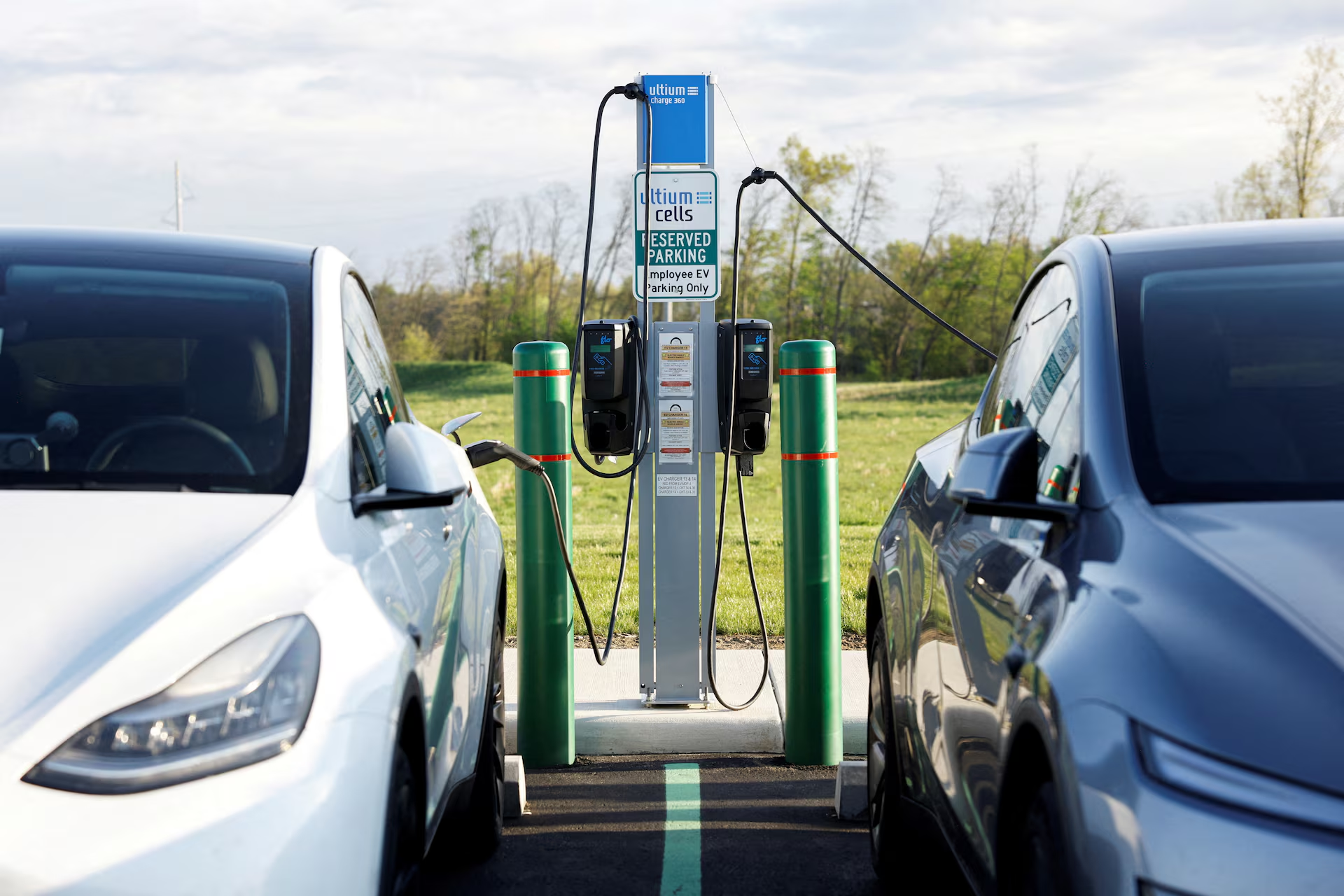
Data from market research firm Motor Intelligence shows that in the first three quarters of this year, U.S. electric vehicle sales fell 30.7% year-on-year, accounting for 6% of total vehicle sales, down from 8.5% in the same period last year. During the same period last year, some consumers rushed to buy cars before the $7,500 federal tax credit expired, pushing up sales.
The European market presents a different picture. According to data from the European Automobile Manufacturers Association, in the first three quarters of this year, electric vehicles accounted for 23.2% of the European automobile market, higher than the 17.7% in the same period last year. Reuters pointed out that the increase in fuel prices caused by the Iran war has prompted European consumers to purchase more electric vehicles.
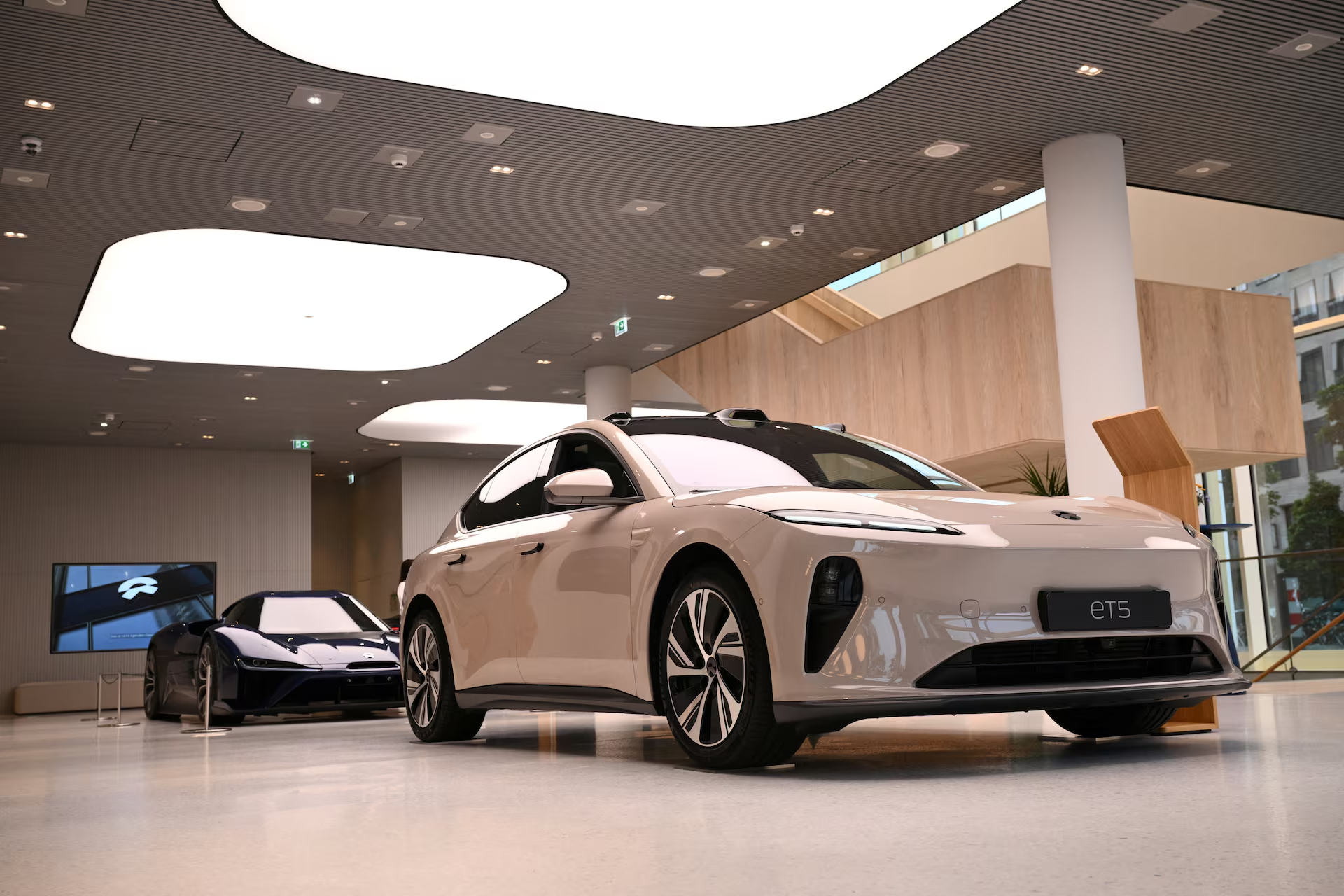
Reuters analyzed that the market differentiation between the two places is partly due to policy differences. In Europe, in order to meet strict exhaust emission requirements, car companies continue to launch electric models, and Chinese car companies have also introduced a large number of electric vehicles to the European market. In the United States, the Trump administration and Congress have canceled support for electric vehicles and relaxed fuel efficiency requirements; high tariffs and a ban on Chinese-made automotive software have actually blocked Chinese auto brands from entering the U.S. market.
Data from Brussels-based environmental advocacy group Transport & Environment show that in the first half of 2026, there were more than 150 electric models on sale in Europe, and about 100 models in 2024. Many of these models are priced below 25,000 euros, and many countries also provide tax incentives to reduce consumers' actual car purchase expenses.
U.S. consumer demand is shifting more toward hybrid vehicles and used electric vehicles. Reuters quoted dealers and analysts as saying that after the expiration of federal tax credits, many U.S. car companies have stopped producing some electric models or canceled plans for new models. Some car companies have also withdrawn low-price leasing programs that had previously boosted demand.
In the first three quarters of this year, hybrid vehicle sales in the United States increased by 23% year-on-year, accounting for 15.6% of total vehicle sales. Thad Sauter, a Detroit-area car dealer, said there is still demand for electric vehicles, but market enthusiasm and a large number of consumers are clearly turning to hybrid technology.
Nissan has brought forward the launch of its new hybrid powertrain for its best-selling SUV Rogue by several months. Thiago Castro, Nissan's senior vice president of marketing and sales in the U.S., said hybrid vehicles are a "safer choice" for consumers worried about range; when electric vehicles previously enjoyed government subsidies, the market situation was different.
The second-hand electric vehicle market is also relatively active. According to data from the automotive research website CarGurus, in the first three quarters of this year, sales of second-hand electric vehicles in the United States increased by 19% year-on-year. Reuters believes that this shows that consumers with more limited budgets are also looking for ways to ease the pressure of high oil prices.
The performance of different car companies also diverges. According to Motor Intelligence estimates, Tesla's U.S. sales fell 14% year-on-year in the first three quarters of this year, a smaller decline than the overall electric vehicle market; Rivian's U.S. sales increased 29% year-on-year, driven by the launch of its new SUV R2.
In comparison, Ford's electric vehicle sales in the first three quarters of this year fell by 68% year-on-year, and General Motors' sales fell by 43%. Honda has chosen to stop producing its electric vehicles after the end of this year and plans to expand hybrid vehicle sales.
However, Hyundai Motor North America CEO Randy Parker said that Hyundai electric vehicle sales have seen some recovery since gasoline prices began to rise in late winter, and dealers are also asking for more supply. He emphasized that Hyundai Motor will not give up its electric vehicle business.
Comments