
Abstract:
After Microsoft abandoned the Windows Phone business many years ago, a new experimental project once again brought the concept of "Windows Phone" into people's vision. But this time, it was not Microsoft who achieved this goal, but an artificial intelligence leader from Google.
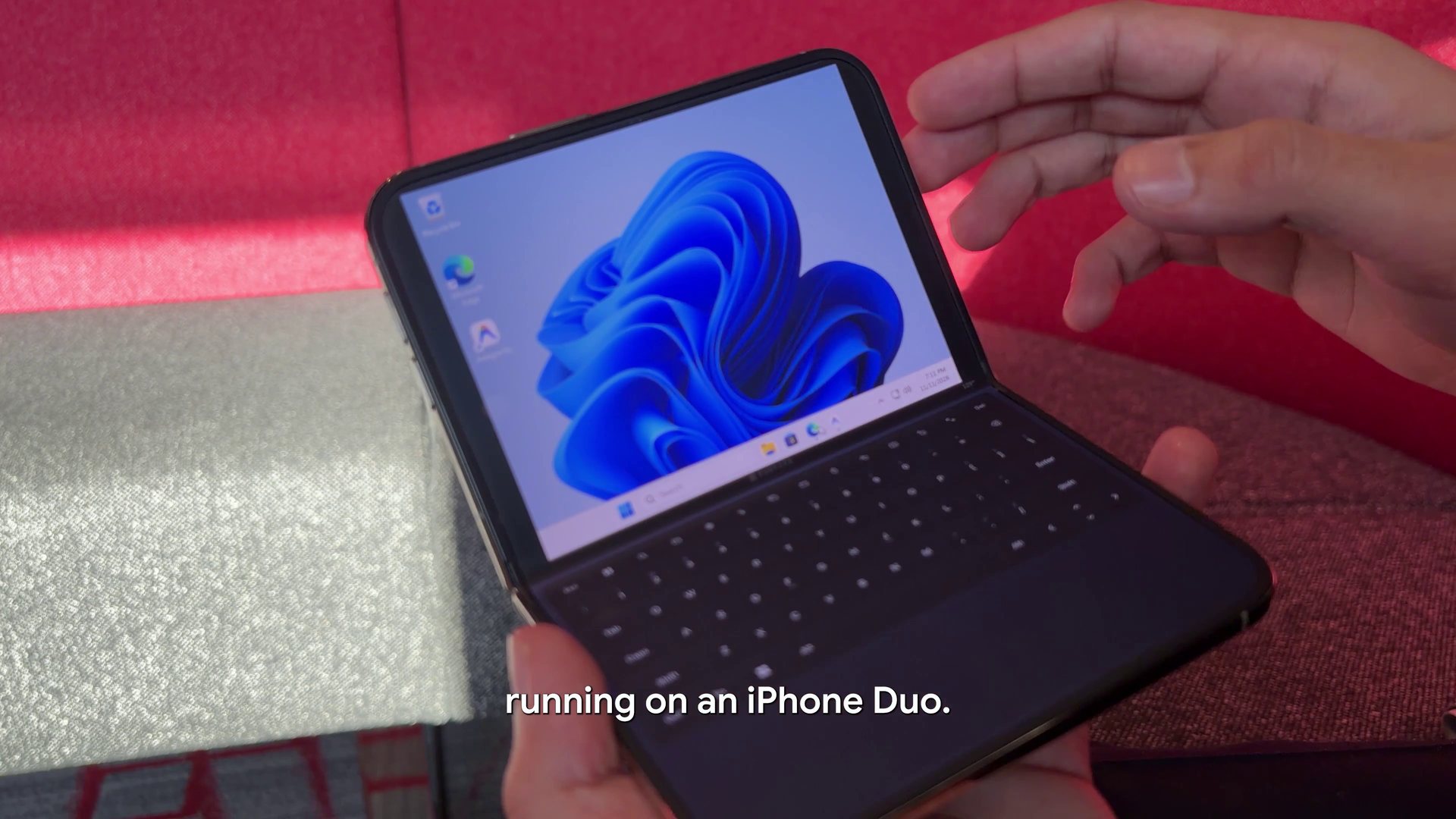
According to reports, Ammaar Reshi, head of product and design at Google AI Studio, recently demonstrated an open source project called "WindowsiOS". With the assistance of the Gemini 4 Carbon artificial intelligence model, he successfully made Windows 11 run on Apple's latest folding screen iPhone device "iPhone Duo" and publicly shared the relevant demonstration video.
Not long ago, developers used artificial intelligence to let Apple iOS 26 run on Microsoft's discontinued Surface Duo 2 device. This time, Ammaar Reshi completed another attention-grabbing attempt in reverse, porting Microsoft's Windows 11 to Apple's folding screen phone.
According to the introduction, the project runs the ARM version of Windows 11 24H2 system and runs locally on the device through a virtual machine. The entire process does not rely on cloud streaming or remote desktop connections, but actually executes the Windows system on the phone itself, and users can operate directly through touch.
Ammaar Reshi said that he used Gemini 4 Carbon to assist in system deployment and adaptation work, and named the project "WindowsiOS". Since the project is all open source, developers and technology enthusiasts with relevant equipment can also try to deploy it themselves.
The demonstration screen shows that Windows 11 can run relatively smoothly on folding screen devices. Although Windows is not specifically designed for folding screen phones, the project team made full use of the special form of iPhone Duo to enable the device to present different usage modes in different folding states.
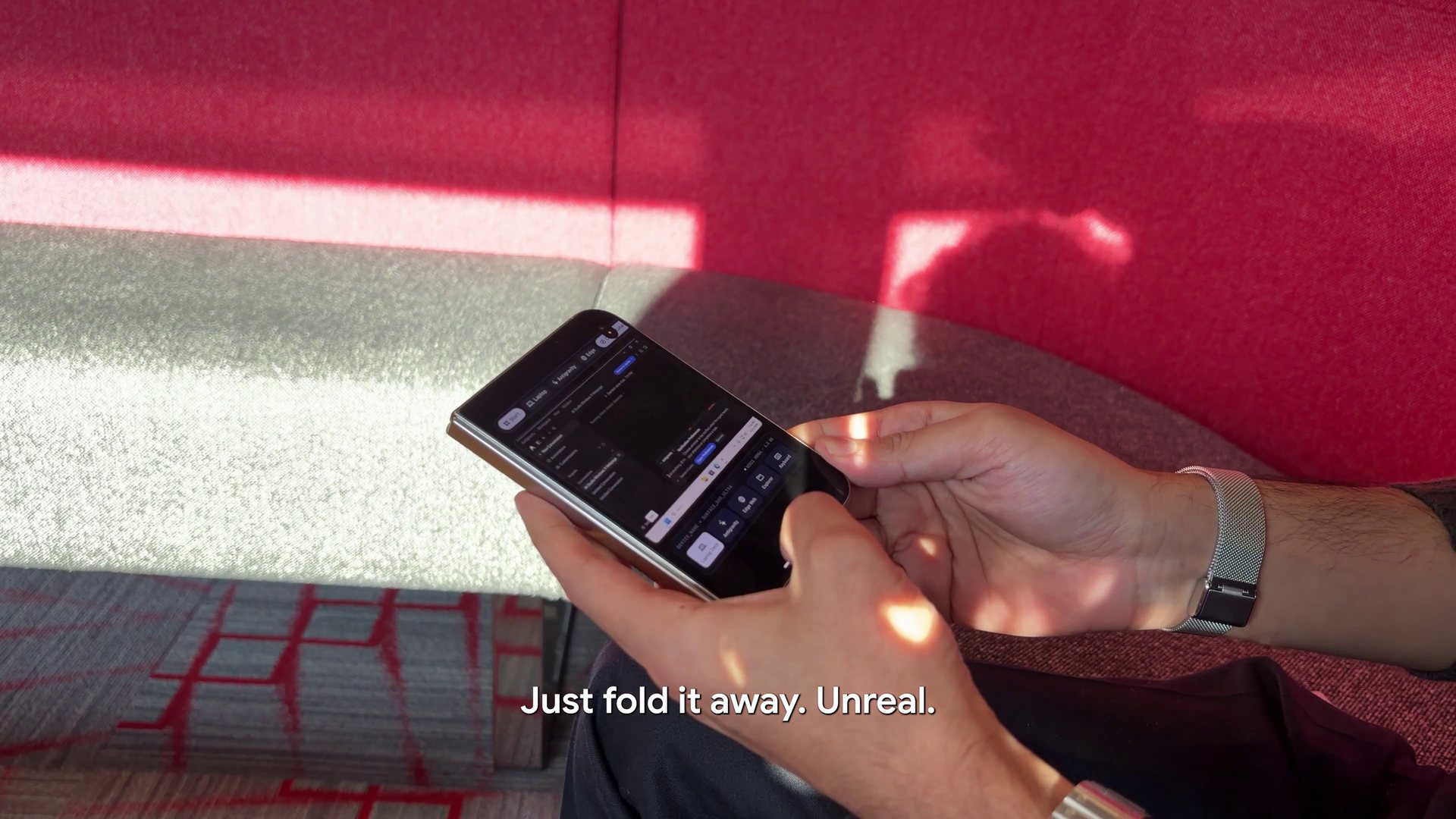
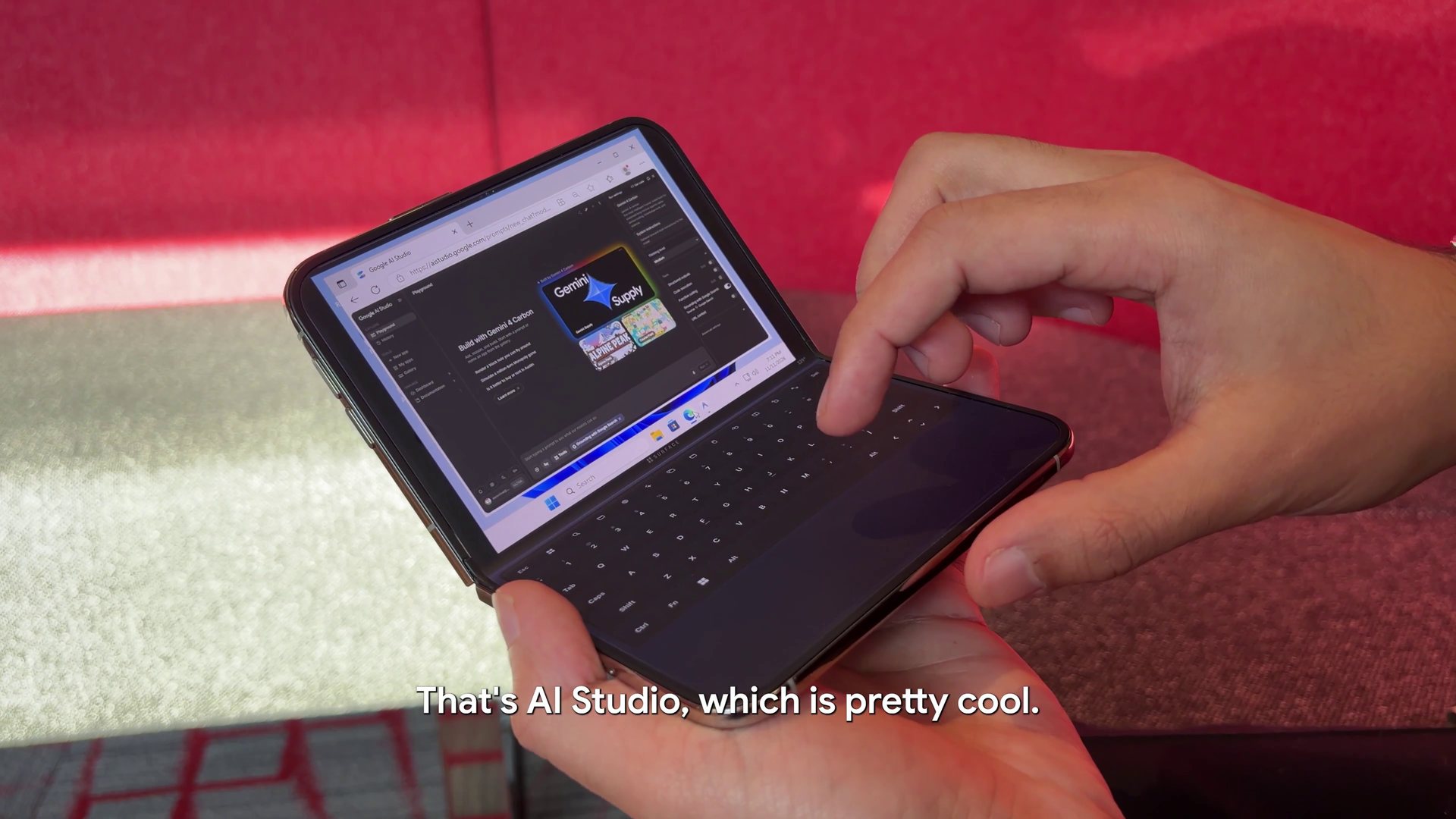
When the device is fully extended, the Windows desktop can occupy the entire large screen display area. In the half-folded state, the system will automatically switch to a laptop-like layout design. The upper half displays the Windows desktop interface, while the lower half becomes the virtual keyboard and trackpad area, making the device look like a miniature laptop.
According to the developer, this virtual keyboard adopts a six-row design, which not only includes F1 to F10 function keys, but also adds Copilot keys and a complete direction key layout, and supports multi-touch touchpad operations.
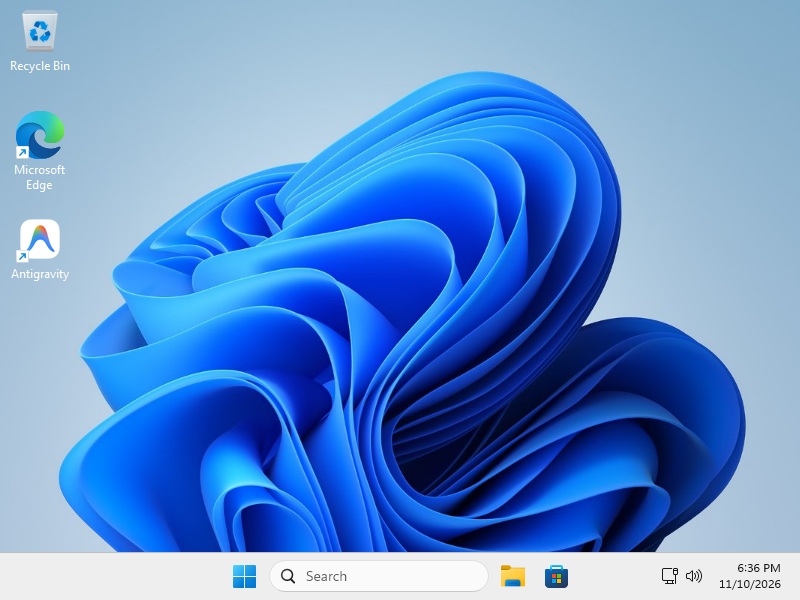
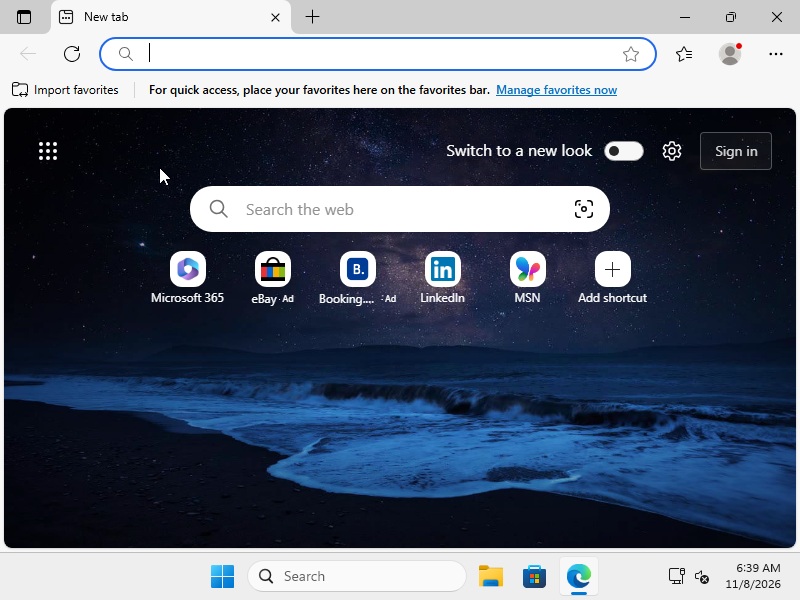
Since the iPhone Duo is equipped with an internal screen of about 7.6 inches, its actual size is still much smaller than a traditional PC, so it is not suitable for use as a long-term office device. But for many users who have been looking forward to the deep integration of Windows mobile phones and desktop systems, seeing a complete Windows desktop running on a foldable phone in their pocket has special meaning in itself.
Another highlight of the project is Gemini’s participation in the development process. Ammaar Reshi said that Gemini not only helped solve software engineering problems, but also participated in the overall implementation process, demonstrating the potential of modern AI agents in complex development tasks.
From a technical perspective, WindowsiOS builds a virtual hardware environment for Windows, including components such as firmware, storage devices, network adapters, USB input devices, and audio hardware. In this way, Windows systems can recognize these devices just like running on a standard PC.
For example, the system provides Windows with a virtual Ethernet adapter, so Windows can access the Internet through the iPhone's network connection and recognize it as a standard Ethernet connection.
Audio compatibility is also an important problem faced during the transplantation process. Since there is no corresponding Windows driver for Apple devices, the development team adopted a virtual audio device solution so that Windows can use the system's own driver to output sound normally. Finally, the sound generated by Windows running can be played through the iPhone speaker, and the audio collected by the mobile phone microphone can also be transmitted back to the Windows environment.
It is worth mentioning that this project does not jailbreak the device. The development team adopted a pure software approach to achieve compatibility, including using JIT instant translation technology to execute ARM64 code, thereby bypassing Apple's restricted hardware virtualization framework. This means that after users try the project, they can still return to the native iOS environment without affecting personal applications and data on the device.
In terms of application compatibility, the project also supports the Prism translation technology developed by Microsoft for the Windows on ARM platform. In theory, this allows some traditional x86 and x64 Windows programs to run under the Windows environment on the phone. However, the development team also emphasized that not all applications and games can receive full compatibility support.
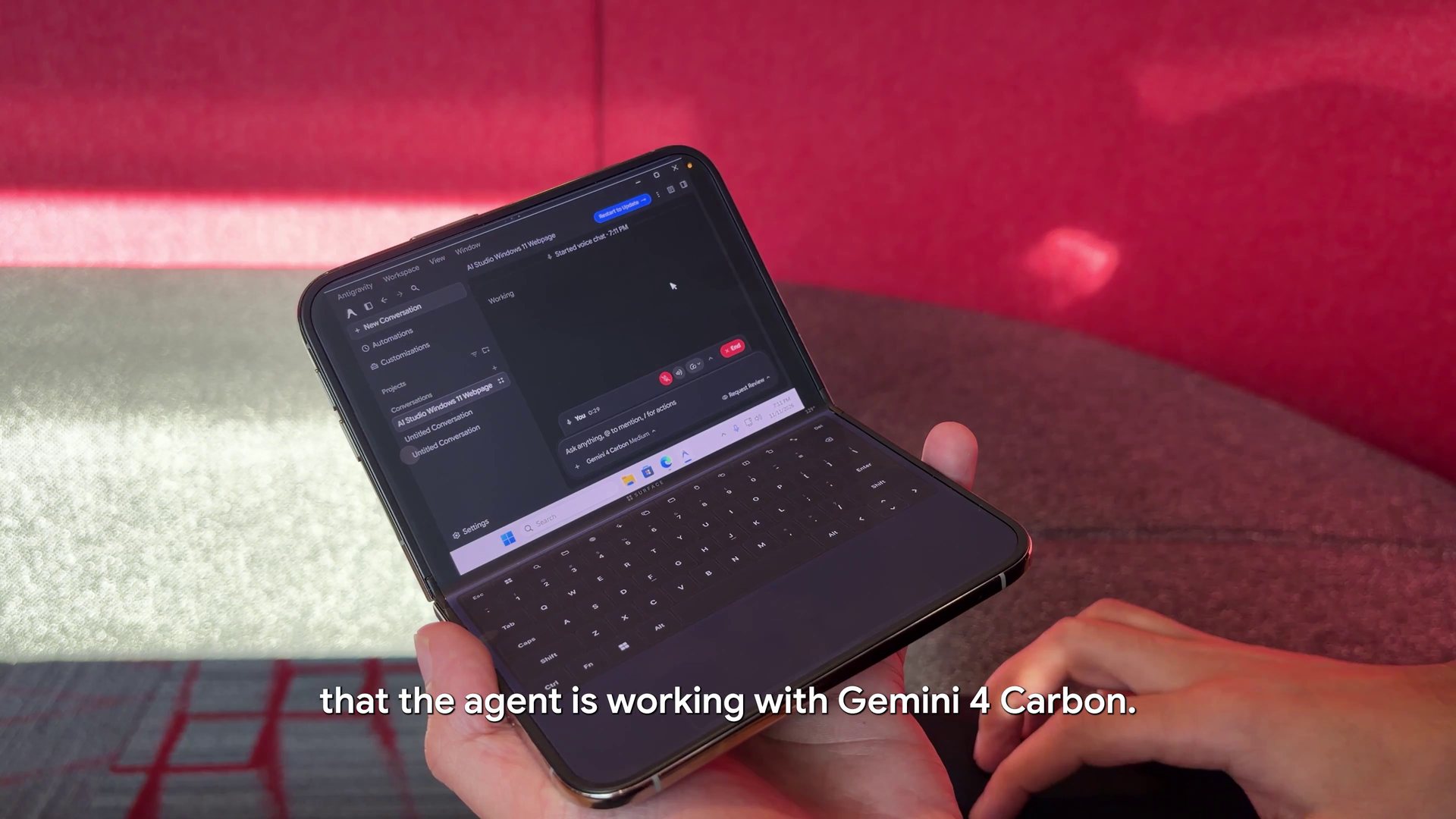
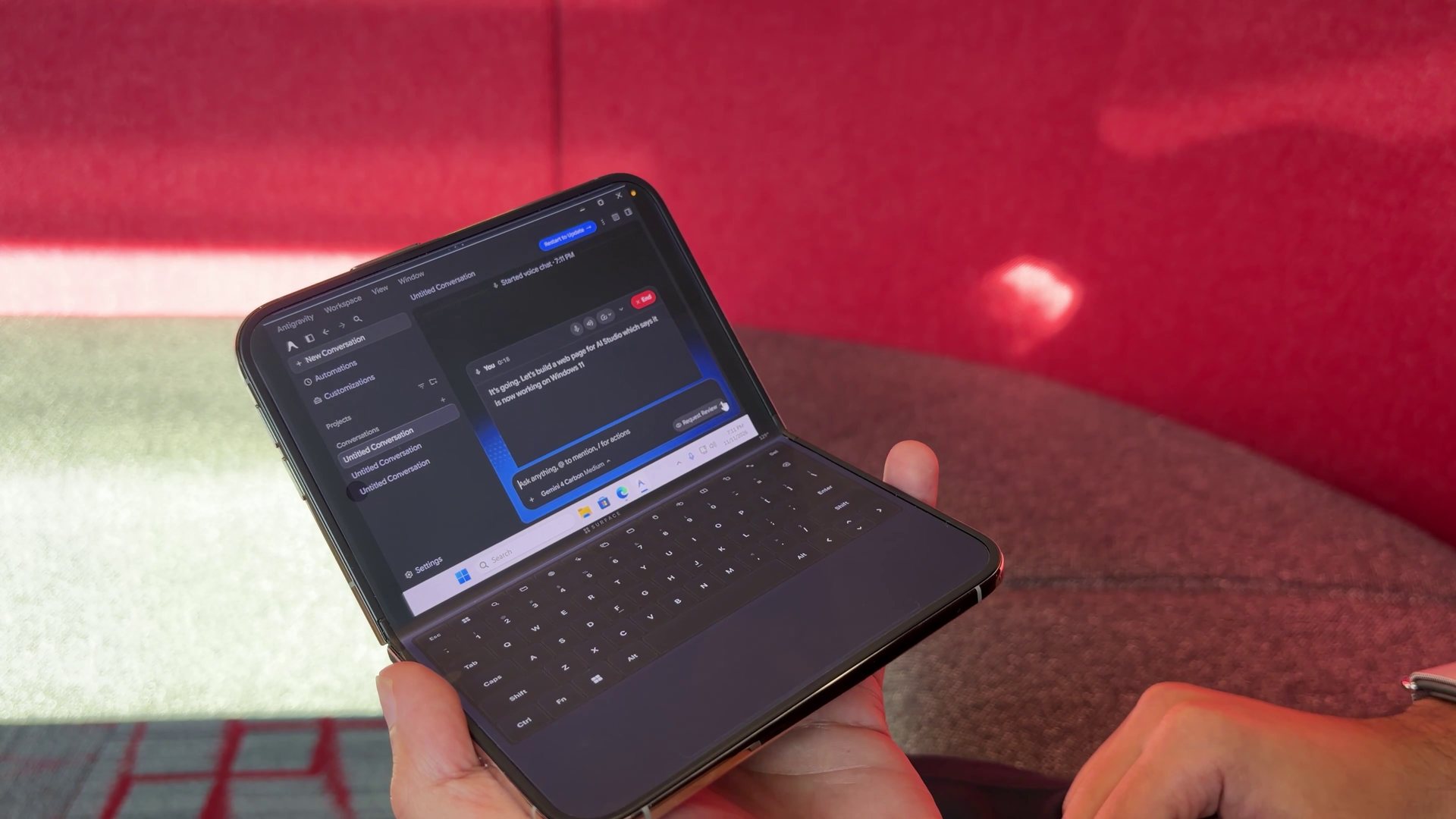
Ammaar Reshi claims that the project has been able to reach running speeds close to native devices, but specific performance test data has not been released yet. When a user asked how long it took the AI agent to develop, he revealed that the relevant agent system only took about two hours to complete the main workflow.
According to the project description, the entire installation environment takes up approximately 12GB of storage space. However, there is still a certain threshold for users who want to try it for themselves. The deployment process requires not only Apple Silicon chip Mac computers and development tools, but also Windows 11 ARM image files. In addition, the project used an optimized Windows image, which turned off some functions including Defender real-time protection and Windows Update background service to reduce resource consumption and improve operating efficiency.
Although this project is still far away from actual commercial applications, it demonstrates the new capabilities of modern artificial intelligence in the fields of software development and system transplantation. What’s even more impressive is that many years after Microsoft withdrew from the mobile operating system market, the once-unrealized dream of “putting complete Windows in your pocket” has now reappeared in front of people in another way through the combination of folding screen mobile phones, virtualization technology and artificial intelligence.
Comments