
Abstract:
Hyundai Motor Group plans to launch mass production models equipped with its self-developed Atria AI driving assistance system in the second half of 2029, about two years later than the previously set target of the end of 2027. Before the self-developed system is implemented, the group will launch Level 2+ and Level 2++ models using NVIDIA technology in phases in 2028.
NVIDIA’s solution will be implemented first in 2028
The roadmap announced by Hyundai Motor Group shows that Level 2+ models using NVIDIA's vehicle computing platform and driving software are planned to be launched in the first half of 2028, and Level 2++ models will be launched in the second half of the same year.
Level 2+ mainly supports hands-free driving in highway scenarios, while Level 2++ expands driving assistance capabilities to urban roads. Both types of systems are still driver assistance technologies, and the driver needs to continuously pay attention to the road conditions and assume driving responsibility.
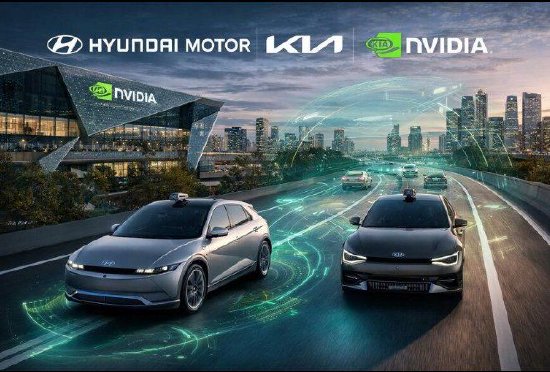
Hyundai Motor and Kia have expanded their strategic cooperation with NVIDIA in March to build a scalable autonomous driving architecture based on the NVIDIA DRIVE Hyperion platform, covering mass production vehicle driving assistance systems and Motional's Level 4 driverless taxi business.
Self-developed Atria AI postponed to mass production in 2029
Hyundai Motor Group will continue to develop Atria AI while adopting NVIDIA solutions. The system was jointly developed by the group's advanced vehicle platform department and its software company 42dot, and uses an end-to-end artificial intelligence architecture to handle vehicle perception, decision-making and control tasks.
Models equipped with Atria AI are scheduled to begin mass production in the second half of 2029, which is about two years later than originally planned. The group will collect actual road data through the NVIDIA platform and incorporate relevant data into a unified training process to train and improve self-developed models.
Hyundai Motor said its goals in cooperating with Nvidia include accelerating the commercialization of driver assistance functions and promoting the gradual internalization of core driving artificial intelligence capabilities. The company will adopt a parallel development strategy between cooperation solutions and self-developed platforms.
Rely on mass production scale to expand driving data
Hyundai Motor Group plans to integrate driving data previously collected by Hyundai, Kia, 42dot and Motional to form a unified "data flywheel". The group sells more than 7 million vehicles in about 190 countries and regions every year and hopes to use mass production scale to expand the real road data required for model training.
The group expects that as the number of vehicles equipped with new driving assistance systems increases, the accumulation of actual driving data will accelerate from 2029, and it plans to exceed the cumulative driving data scale of competitors around 2033.
Comments