
Abstract:
An Intel Larrabee graphics card development system that has been in the dust for nearly 17 years has unexpectedly resurfaced. Surprisingly, this prototype of a graphics card project that had been canceled by Intel was not only able to restart and enter the Windows 7 system, but enthusiasts also recovered the original drivers and development tools that were provided back then, successfully enabled Direct3D hardware acceleration, and even ran the classic game "Crysis".
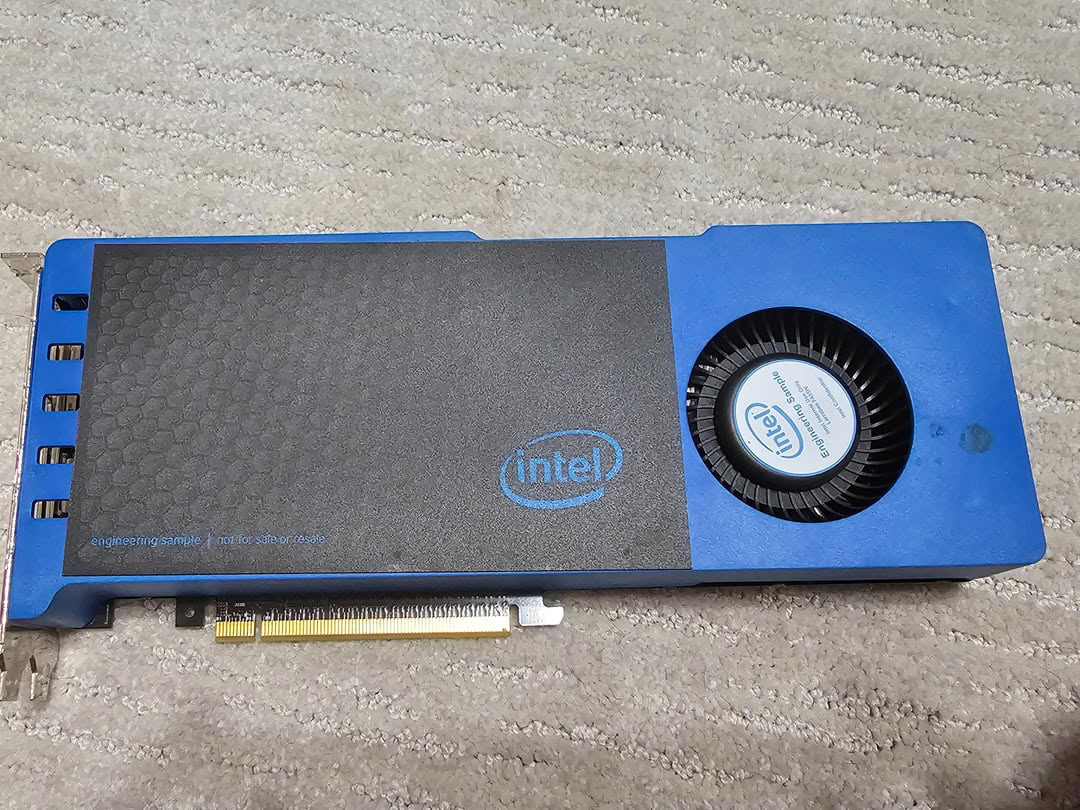
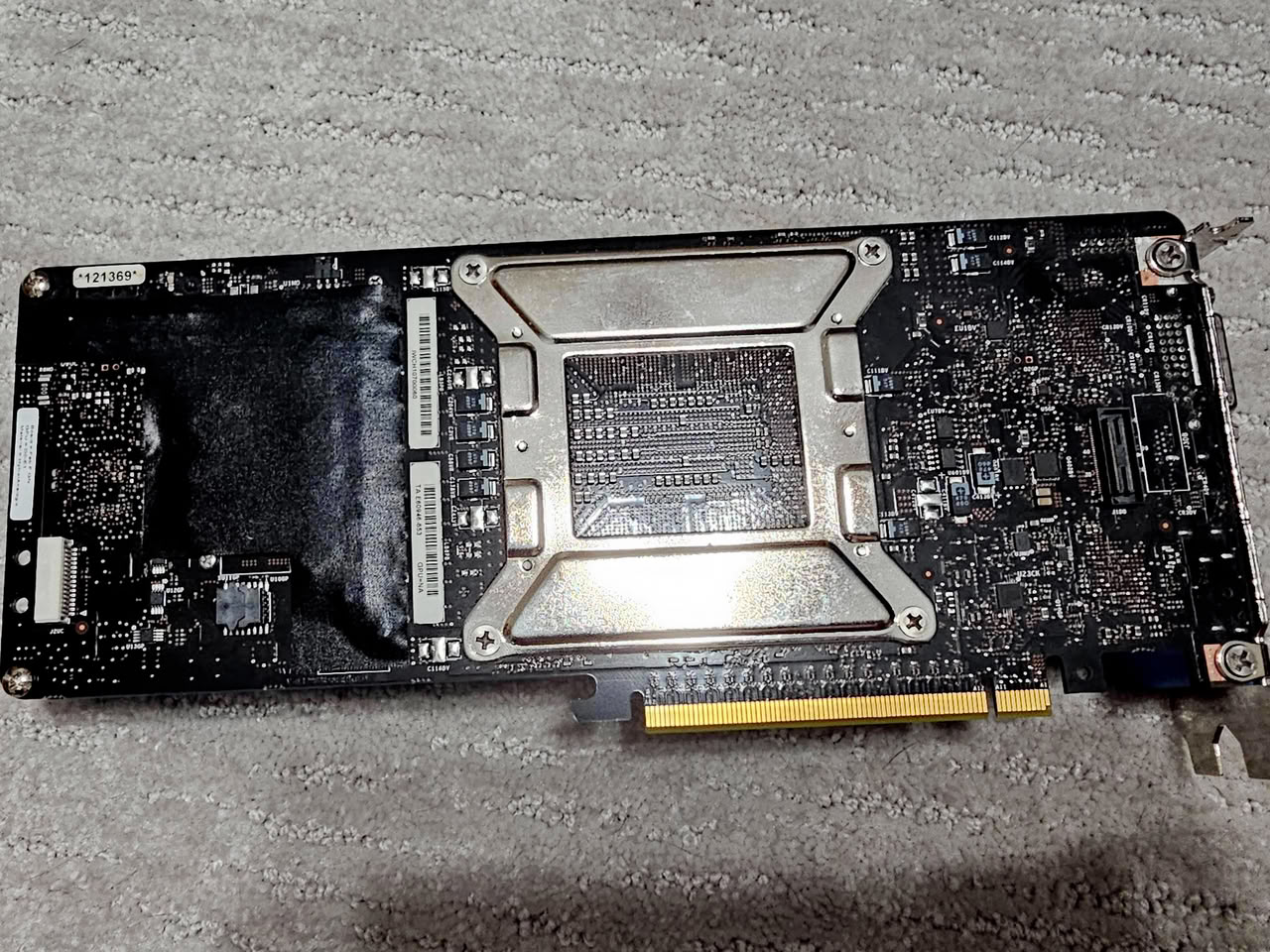
This equipment originally came from a storage unit auction. A Reddit user purchased an old computer device that had been stored for many years, not realizing that it contained important prototypes of Intel's early discrete graphics card project. It wasn't until he posted photos of the graphics card online to ask for help that people gradually recognized that it was not an ordinary Intel graphics card, but a Larrabee development system called Intel Visual Adrenaline.
The complete set of equipment includes an Intel DX58SO motherboard, a rather large engineering sample graphics card, and an independent diagnostic board. When the graphics card starts up, it will even display the prompt message "Intel(R) Larrabee customizable video bios products", further confirming its identity.
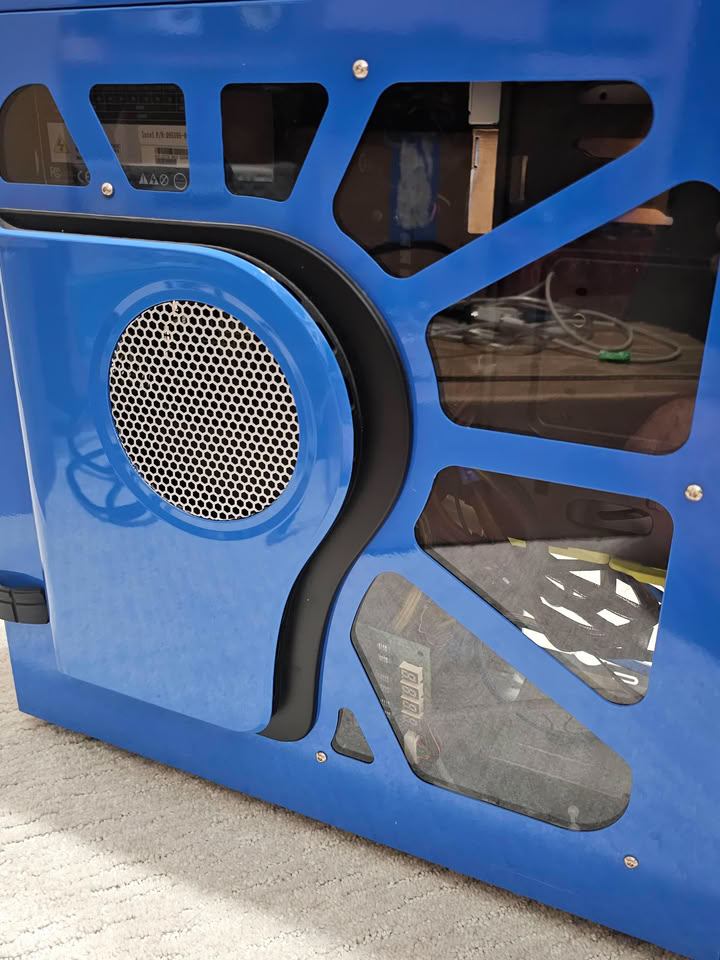
Initially, the device could not output the screen normally. There was no signal when the graphics card was connected to the monitor through the HDMI interface, but after switching to the older DVI interface and monitor, the startup information was finally displayed successfully.
Subsequently, the device encountered the problem of being unable to enter Windows. After investigation, the problem was not with the graphics card itself, but with the motherboard battery failure causing the BIOS settings to be reset. After re-adjusting the storage controller configuration and changing the original AHCI mode to IDE mode, Windows 7 was finally able to start normally.
This graphics card is confirmed to belong to the C0 stepper engineering sample of the Larrabee project, which is a later hardware revision of the project.
What really makes this discovery of special value are the two USB storage devices found with the device. It contains software materials prepared by Intel for the Larrabee development system, including graphics card drivers, technical documentation, development tools, and instructions for updating the graphics card video BIOS.
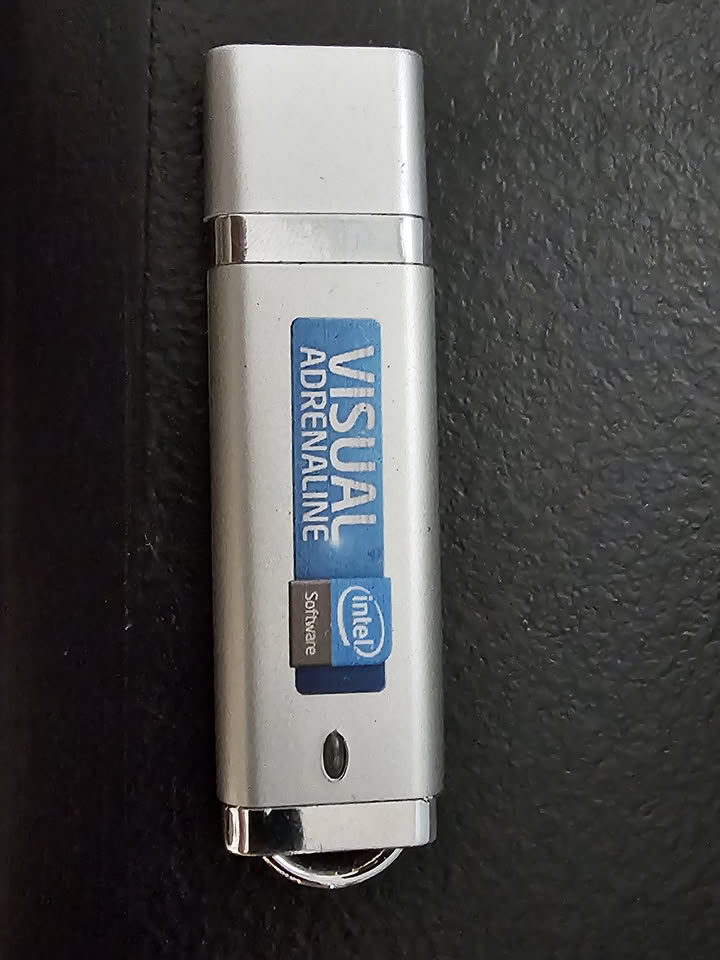
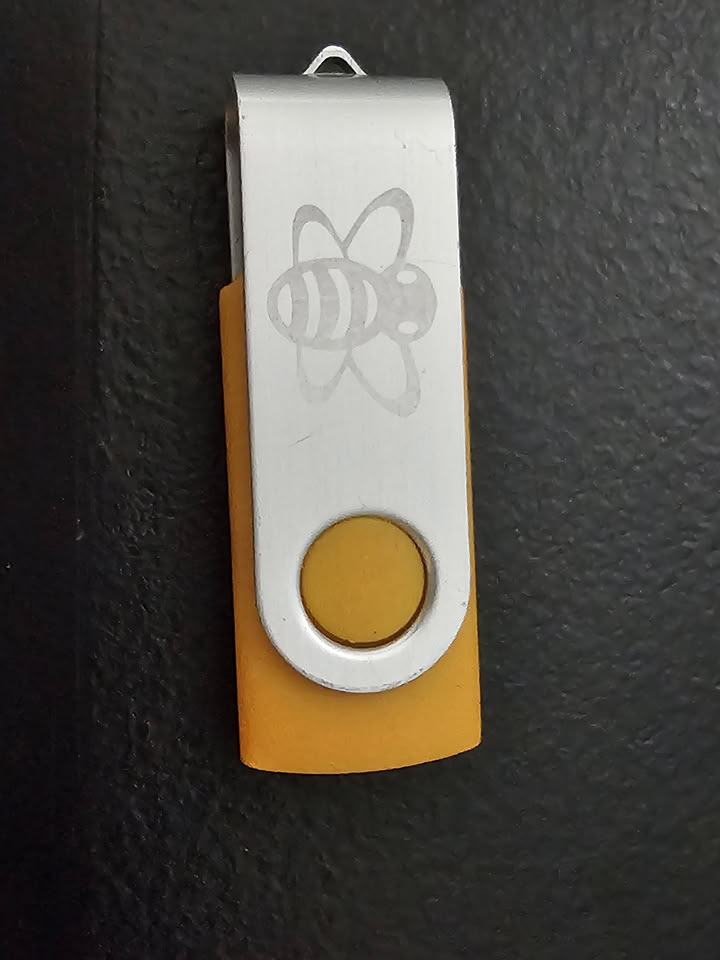
The files were later preserved in their entirety and uploaded to the Internet Archive. The capacities of two of the software files are approximately 82MB and 728MB respectively. By restoring the original driver and installing it according to the documentation, Windows 7 was finally able to correctly recognize the Larrabee graphics card and enable Direct3D hardware acceleration.
After that, the testers started running Microsoft's early Direct3D sample program to verify the basic graphics processing capabilities of the graphics card.
But what really attracted the attention of hardware enthusiasts was that this system later successfully ran "Crysis". According to test screenshots posted by device owners, the Larrabee graphics card is capable of running the game at 1280×720 resolution, medium quality, and with anti-aliasing turned off.
The frame rate of the initial test exceeded 17FPS. Subsequently, the tester discovered another version of the driver in the recovered software data. After installation, the game performance was further improved, and subsequent screenshots showed that the frame rate reached approximately 36FPS.
Of course, these results come from a set of engineering samples and specific software environments from nearly 17 years ago, and cannot be directly compared with the official retail graphics cards of that year. The tester also did not provide complete and standardized benchmark test results, so it is currently impossible to judge Larrabee's actual competitiveness in that year.
Larrabee is an independent GPU project that Intel had high hopes for. The project was launched around 2005 and officially entered the public eye in 2007. Intel originally hoped to launch the product around 2010 to directly challenge the positions of AMD and NVIDIA in the independent graphics card market.
Different from the design of mainstream GPUs at the time that used a large number of dedicated graphics processing units, Larrabee took a very alternative technical route: it combined multiple processing cores based on the x86 instruction set, each core was equipped with a wide vector processing unit, and realized through software a large number of graphics processing tasks that traditional GPUs relied on dedicated hardware.
According to a technical paper published by Intel in 2008, Larrabee adopts a multi-core parallel architecture, supports wide vector operations, and realizes data sharing between cores through a unified cache system and on-chip interconnection network. Its design concept is to maximize the programmability of the graphics processing process, allowing developers to more flexibly control the rendering process.
Traditional GPUs usually hand over tasks such as rasterization and pixel processing to dedicated hardware, while Larrabee attempts to allow more graphics processing steps to run on the x86 core through software. In theory, this design can not only be used for game rendering, but also be able to undertake scientific computing and other high-parallel tasks.
However, there is a clear gap between ideals and reality. Larrabee encountered performance and software compatibility difficulties during development, and Intel eventually announced in 2009 that it would no longer be released as a standalone consumer graphics card. In 2010, the relevant technology direction shifted to high-performance computing and software development platforms, and some architectural concepts later influenced Intel's Knights series of many-core computing products.
The development system rediscovered this time has special historical value. It not only preserves Larrabee's hardware engineering samples, but also accidentally preserves the complete software environment that was originally difficult to find back then, giving enthusiasts the opportunity to finally experience this canceled technical route on real hardware.
Many of Larrabee's design ideas have not completely disappeared. GPU programmability, general parallel computing, and architectural integration between CPU and GPU have become important directions in the field of modern computing. However, Intel's attempt to implement general-purpose graphics processing through a large number of x86 cores was not successfully transformed into consumer-grade graphics products.
Now, this almost forgotten prototype is running again and can even start "Crysis", which undoubtedly leaves a dramatic footnote in the history of Intel graphics card development.
Comments