
Abstract:
Intel confirmed that the next-generation Razor Lake-AX system-on-chip will be launched in 2028, and its AI computing power will reach 700 TOPS, which is approximately 3.88 times that of the existing Panther Lake platform. Intel Senior Vice President Cho Min-sung revealed the roadmap at the "Semiconductor-Powered Humanoid Robots" seminar in Samseong-dong, Seoul, South Korea.
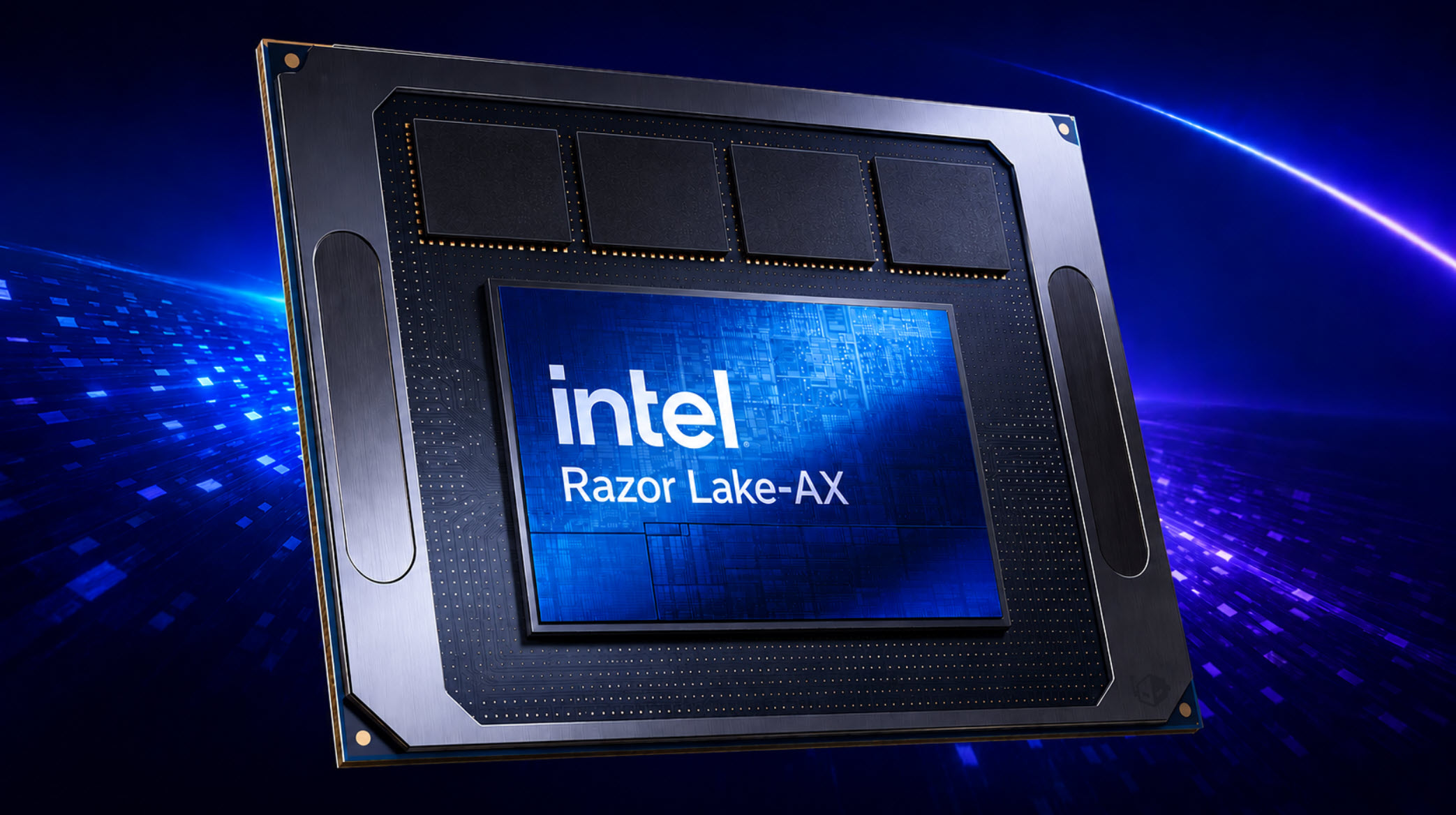
Cho Min-sung said Intel plans to launch next-generation Nova Lake first next year, followed by Razor Lake-AX in 2028. He said: “We plan to enable the next generation of Nova Lake to achieve 700 TOPS performance next year and achieve this goal with Razor Lake-AX in 2028.” This statement points the AI performance goals of Nova Lake and Razor Lake-AX to 700 TOPS at the same time, but the report points out that Razor Lake-AX will be the product that focuses on carrying this level of computing power.
Compared to existing Panther Lake "Core Series 3" chips, Razor Lake-AX's 700 TOPS is approximately 3.88x its 180 TOPS. Intel also compared it with the Nvidia Jetson AGX Orin platform, which has an AI computing power of 275 TOPS; based on this calculation, the computing power of Razor Lake-AX is about 2.5 times.

The report believes that Razor Lake-AX is not a PC computing platform in the traditional sense, but closer to an integrated high-performance platform such as AMD Ryzen Halo: it is expected to be equipped with more cores, larger GPUs and stronger memory capabilities, and is mainly targeted at high-end devices. One of its target markets is "Physical AI", which is for application scenarios such as robots and automation equipment that require interaction with the real environment.
Due to the significant reliance of AI workloads on large-capacity, high-bandwidth memory, Razor Lake-AX is expected to feature a unified large-capacity memory pool and potentially reintroduce in-package memory design. This solution was used on the Intel Lunar Lake "Core Series 2" platform, which is the so-called MoP (Memory on Package) design.
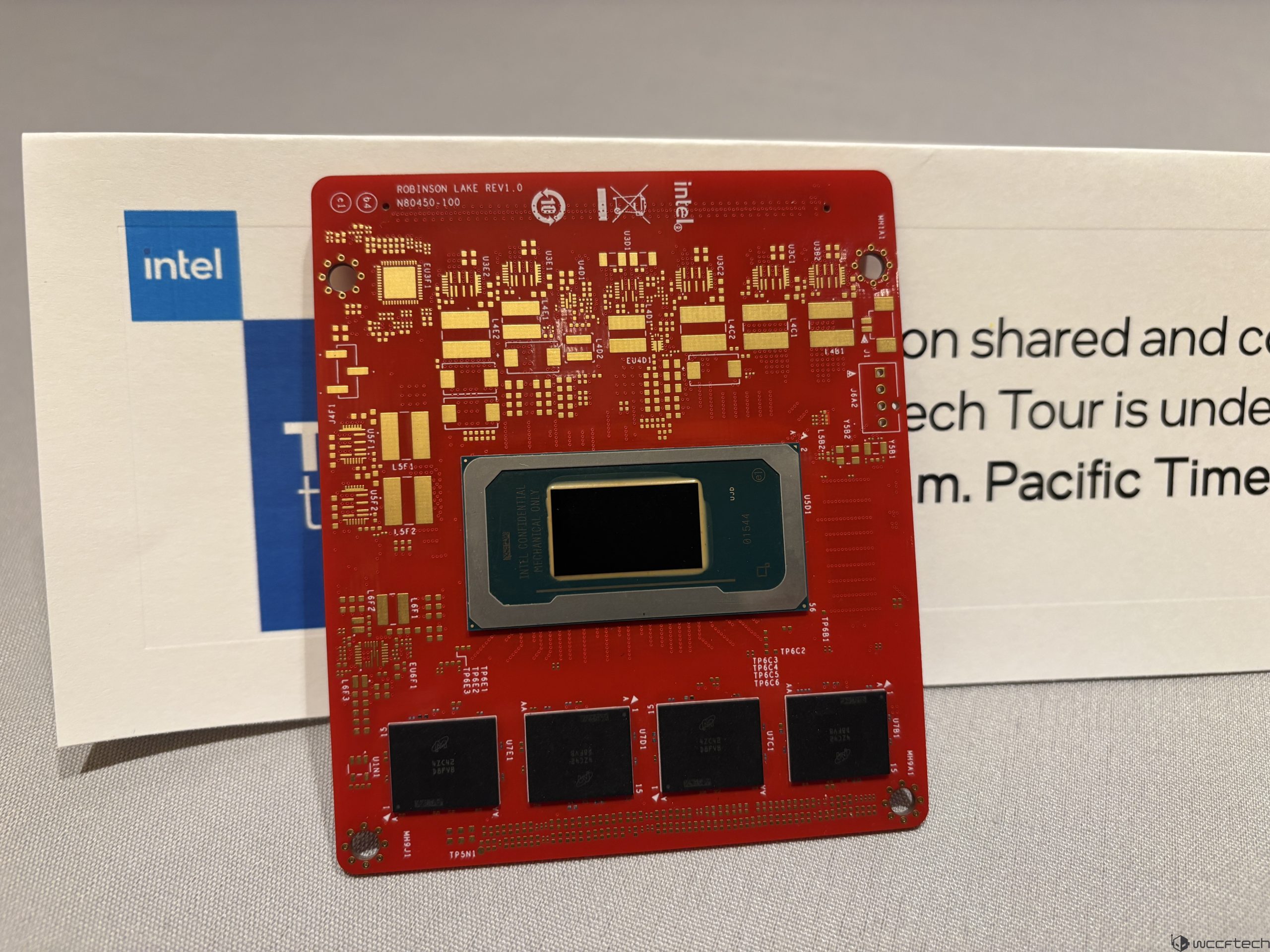
Intel's move also reflects the chip industry's accelerated transformation into AI-specific platforms. Nvidia has entered the PC field with products such as RTX Spark, and AMD has long provided Ryzen AI MAX+ Halo chips; if Intel enters the intelligent AI and physical AI markets with Razor Lake-AX, it will further intensify competition in this field. The report also pointed out that Panther Lake has become highly competitive in physical AI scenarios, and Nova Lake and Razor Lake are expected to promote Intel's continued expansion in this market.
In addition, NVIDIA has recently updated its Jetson series product line. The AI computing power of mainstream models covers 160 to 275 TOPS; its Jetson Thor T2000 platform provides FP4 AI computing power of about 400 TFLOPS, while the T3000 reaches 865 TFLOPS, with power consumption of about 40W and 70W respectively, and is equipped with 8GB to up to 64GB of video memory. These data are used to illustrate the competitive environment Razor Lake-AX will need to face in the future.
Comments