
Abstract:
The American electric aviation company Joby Aviation recently announced that an aircraft equipped with its autonomous flight technology successfully completed an autonomous flight mission across the continental United States, flying more than 3,100 miles without any human taking over the operation. This milestone not only demonstrates the maturity of Joby’s autonomous aviation technology, but also sends a clear signal that the company’s future goals are not limited to the electric air taxi business.
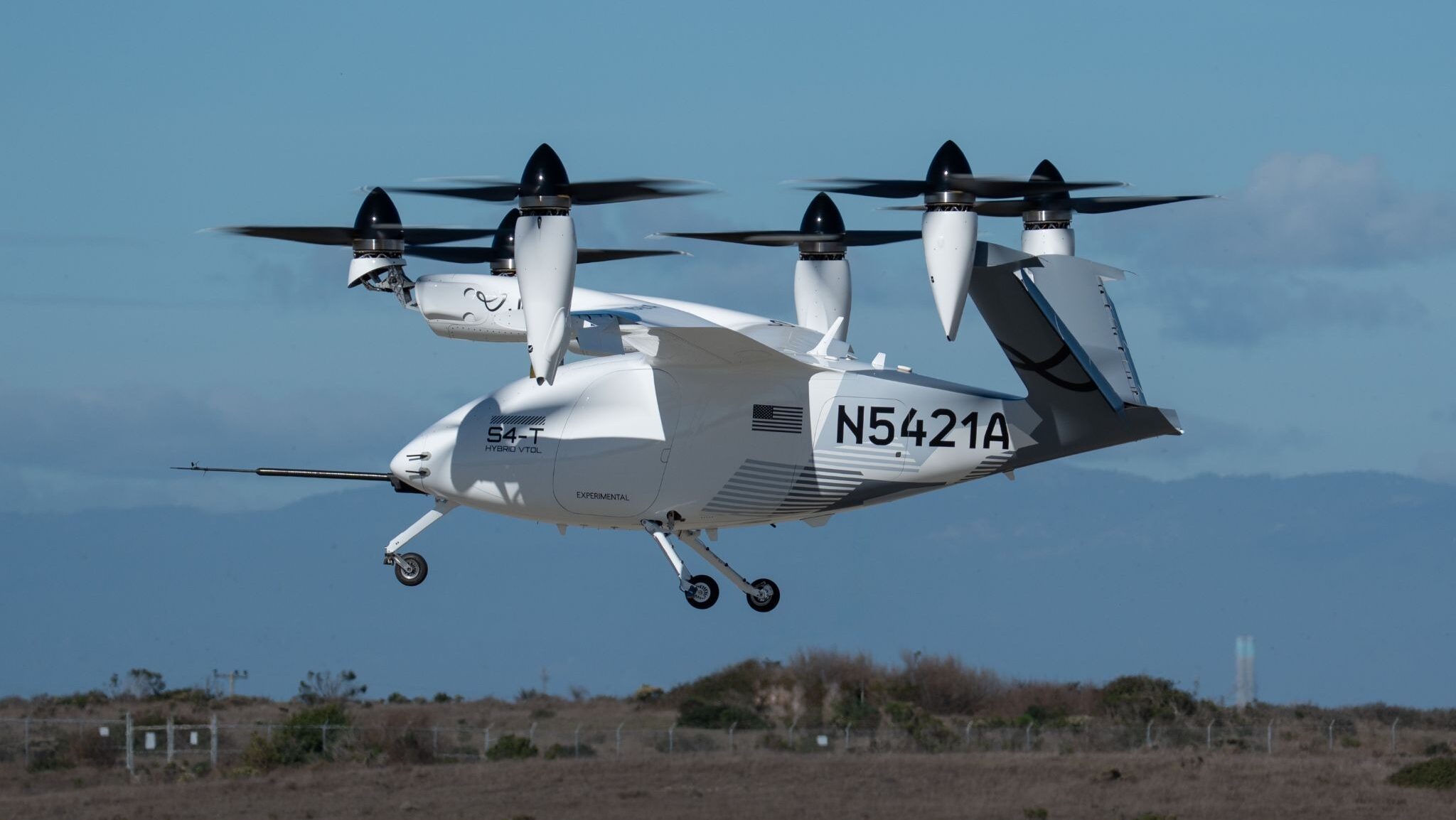
According to information released by Joby, this flight is called by the company as the first autonomous flight mission across the entire territory of the United States in history. The aircraft carrying out the mission was a modified Cessna Caravan. During the flight, the aircraft autonomously completed all processes including taxiing, takeoff, route navigation and landing.
Although there is a safety pilot in the cabin to meet regulatory requirements, Joby said that the safety pilot did not make any control input during the entire flight and all operations were completed autonomously by the aircraft.
During the mission, the aircraft received remote supervision from Autonomous Flight Headquarters in Joby, California, and a control center at Shaw Air Force Base, South Carolina. The longest monitoring distance is more than 2,300 miles, but the control center is mainly responsible for supervision and does not directly fly the aircraft.
The flight finally arrived in the Outer Banks of North Carolina, USA, close to Kitty Hawk, where the Wright brothers completed the world's first powered flight. Joby also specially arranged for the aircraft to conduct a low-altitude flyover in the local area to commemorate the important starting point of modern aviation history.
During the flight, the aircraft also verified its autonomous decision-making capabilities in complex environments. Joby said that the aircraft can enter Phoenix Deer Valley Airport, one of the busiest general aviation airports in the United States, without being familiar with the airport environment in advance. It can adjust its route in real time according to weather changes and autonomously avoid thunderstorms and severe weather areas.
For the outside world, what deserves more attention is the change in strategic direction represented by this flight.
For a long time, Joby's most well-known business is the electric vertical take-off and landing aircraft (eVTOL) project. The company has been promoting the airworthiness certification of related models and hopes to provide urban short-distance air taxi services in the future.
However, this cross-continental autonomous flight demonstrates another development route.
Joby said that its autonomous flight system does not rely on its self-developed air taxi platform, but can be installed on a variety of existing aircraft models. By deploying autonomous flight technology on certified traditional aircraft, the company hopes to create an unmanned air transportation system with greater scalability potential.
From a business perspective, this means that in the future, relevant technologies can not only be used in passenger services, but can also enter the cargo transportation market. The company believes that autonomous flying aircraft can be used in the construction of regional logistics networks in the future to achieve a lower-cost and more efficient operating model than traditional air transportation.
At the same time, medical transportation, disaster relief and national defense logistics support are also listed as key application scenarios. In tasks such as natural disasters, transportation to remote areas, and emergency medical supplies delivery, autonomous flight platforms can reduce dependence on pilots and improve mission execution efficiency.
In fact, Joby has been cooperating with the U.S. Department of Defense for many years. In recent years, the company has continued to expand its military business and received contract support worth US$17 million from the U.S. Air Force's innovative project AFWERX to promote the research and development of related autonomous flight projects.
In August this year, Joby acquired Ohio-based Resonant Sciences for $500 million in cash and stock. The latter focuses on radio frequency system and sensor technology development. Following the completion of the acquisition, the business has been incorporated into Joby's specially established defense business unit.
Currently, this department is also responsible for the research and development of a number of advanced aviation projects, including future aviation technologies such as turbine-electric aircraft, hydrogen-electric aircraft, and autonomous flight systems. This autonomous flight test across the continental United States marks Joby's gradual transformation from an air taxi developer to a more comprehensive autonomous aviation technology enterprise. As autonomous driving technology gradually expands from cars to aviation, markets such as unmanned freight, emergency transportation and military logistics may become new growth points after air taxis.
For Joby, this flight across the United States is not only a technology demonstration, but also a declaration of future development directions. At the intersection of the two major trends of electric flight and autonomous flight, the company is trying to open up a broader aviation market than urban air taxis.
Related articles:
Joby Aviation’s first mass-produced electric air taxi begins test flight
Comments