
Abstract:
Lean ground pork may trigger a unique peptide change related to muscle synthesis, but research has not proven that it promotes muscle building better than other protein sources. According to a new study published in "Molecular Nutrition and Food Research", ingesting lean pork filling after exercise will cause a significant increase in a natural peptide called "dileucine" in the blood. The peptide, made up of two leucine molecules linked together, is thought to be involved in muscle protein synthesis, a process central to the body's process of building and repairing muscle tissue.
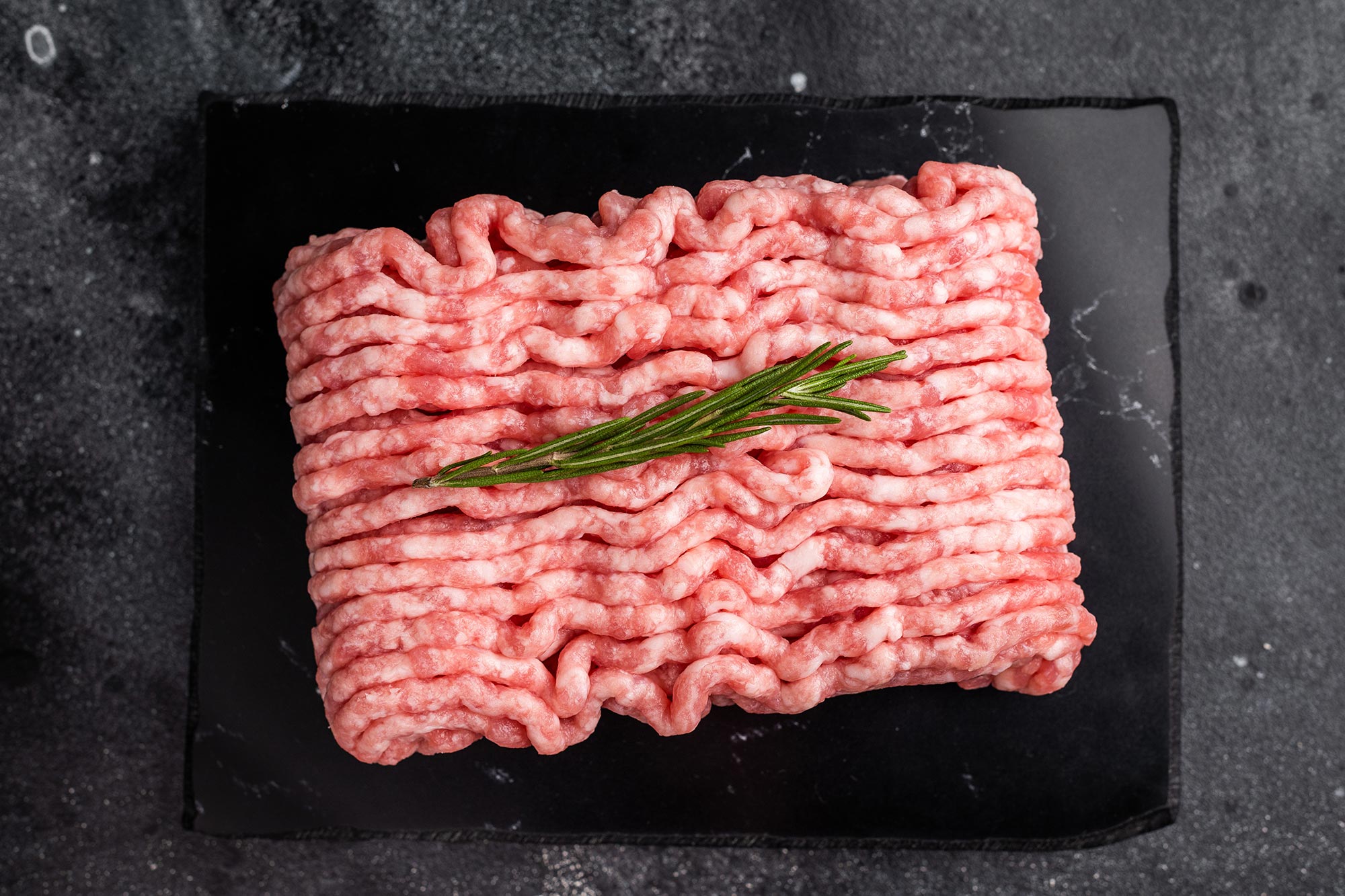
The study, conducted by researchers at the University of Illinois at Urbana-Champaign, analyzed blood samples and muscle protein synthesis data from healthy young adults in two randomized controlled trials. After completing resistance training, participants consumed one of five nutritional options: low-fat minced pork, high-fat minced pork, black beans with rice, an isolated nutritional drink containing amino acids and other nutrients, or a control drink containing only carbohydrates. All protein-containing plans provide approximately 20 grams of protein to allow comparison of how different food sources react in the body.
The results showed that among the five options, only low-fat pork filling caused a statistically significant increase in blood dileucine concentration compared with the baseline, and this peak occurred approximately 90 to 120 minutes after eating. Dileucine is thought to be involved in muscle protein synthesis, but scientists are still further studying its specific role in muscle metabolism.
The dileucine peak caused by low-fat pork filling was significantly higher than that of the isolated nutrient drink and carbohydrate control drink; however, compared with high-fat pork filling and bean and rice meal, the difference did not reach statistical significance. Additionally, the low-fat pork filling produced the highest leucine spike. Leucine is an essential amino acid involved in regulating muscle protein synthesis. Its levels were significantly higher than those in the high-fat pork filling, bean and rice meal and carbohydrate control groups, but there was no significant difference between them and the isolated nutritional drink.
Nicholas Byrd, corresponding author of the study and a researcher at the University of Illinois at Urbana-Champaign, said these findings indicate that the body's response to protein does not depend solely on the amount consumed. Looking at how the "food matrix" of whole foods affects the release of amino acids and peptides into the bloodstream can help provide a clearer understanding of how dietary protein actually drives muscle protein synthesis and remodeling.
The so-called food matrix refers to the physical structure of food and the interaction between its components. Researchers suggest that mincing meat may break down connective tissue and make proteins more accessible to digestive enzymes, thereby changing how and how quickly amino acids and peptides enter the bloodstream.
Across all protein-containing regimens, the team also found a modest but statistically significant positive correlation between peak dileucine concentrations and changes in muscle protein synthesis. However, this association did not appear in traditional leucine measurements.
It needs to be emphasized that this finding does not prove that dileucine directly stimulates muscle growth, nor does it prove that lean pork filling can bring about muscle growth better than other foods. It simply suggests that there may be differences in digestion, absorption, and blood nutrient release between protein sources that warrant further study.
This study sheds new light on how whole food protein sources affect the body's response to exercise. While the total amount of protein in a meal is still important, food structure, fat content and digestive processes may also affect the timing and composition of nutrients entering the bloodstream.
Consumers often focus only on how many grams of protein are on their plate, but science is showing there's more to it than just that, said Kristen Hicks-Ruff, senior director of human nutrition for the National Pork Board. She believes the study helps people better understand how common foods like pork filling provide protein and how the body responds to it after exercise.
The research team noted that more research is needed to determine whether these short-term biological responses translate into actual differences in muscle growth and recovery. Scientists also need to examine how dileucine behaves when protein sources are consumed as part of a regular mixed meal, and whether other groups such as older adults experience similar reactions.
The study, "Differential Modulation of Postprandial Plasma Dileucine Profiles by Whole Food Protein Sources in the Post-Exercise State," was funded by the National Pork Board.
Comments