
Abstract:
Meta recently suspended the Facebook page of Brazilian President Luiz Inacio Lula da Silva and also restricted advertising accounts related to his campaign team. Since there are less than 11 days left before the first round of voting in Brazil's 2026 presidential election, this move immediately attracted strong attention from Lula's campaign team and the Brazilian Workers' Party. Subsequently, the relevant pages and advertising accounts have been restored, but Meta has not publicly explained the specific reasons for this restriction as of the time of reporting.
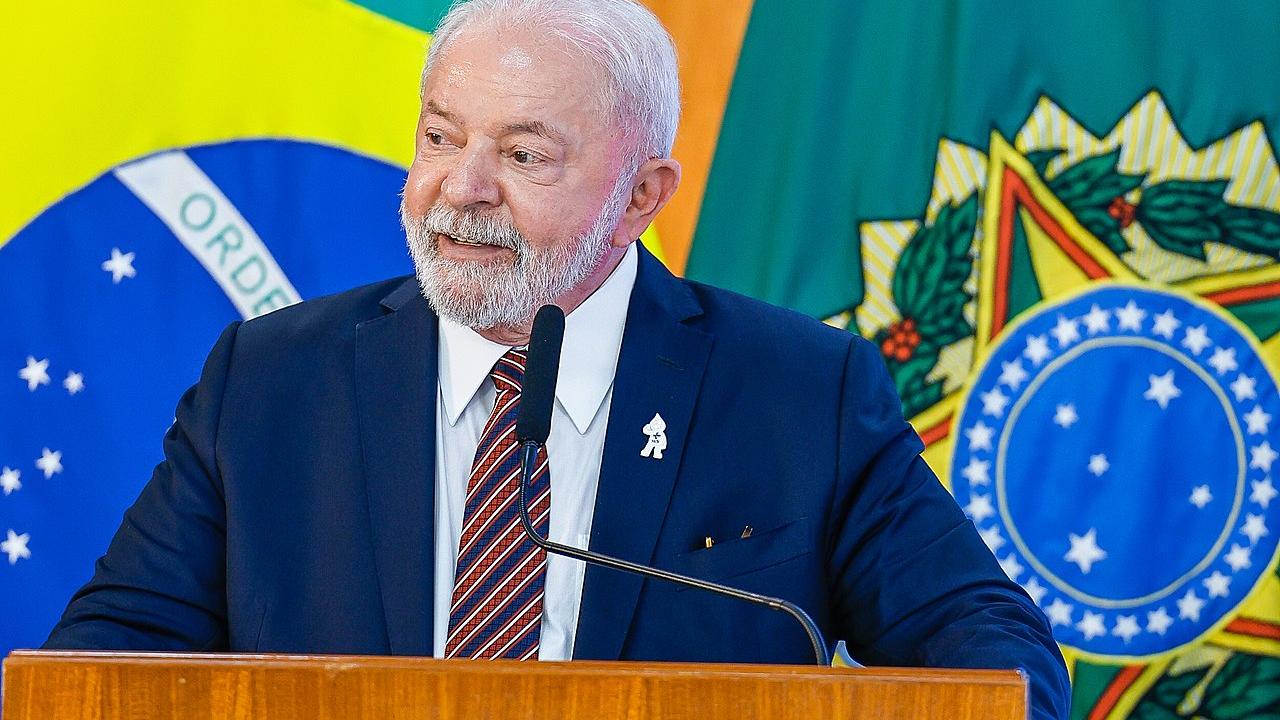
According to relevant reports, Meta suspended Lula’s Facebook page on September 23 and restricted the advertising accounts used by his campaign team. The communication between Meta and the Brazilian Workers’ Party did not specify which platform rules were violated, nor did it provide detailed reasons. The Workers' Party and the "Brazil Ready More" electoral coalition that supports Lula subsequently asked Meta to explain the situation and restore the relevant accounts.
The legal team of the Lula campaign submitted a complaint to Meta on September 24, requesting the immediate reinstatement of the campaign advertising account named "Eleições 2026 Luiz Inácio Lula da Silva Presidente". This account is used to place and promote campaign ads, and also undertakes digital campaign functions such as audience management.
The campaign team also requested that Meta hand over the incident to be reviewed directly by human reviewers in the platform’s legal and compliance department, rather than continuing to be handled by automated systems. At the same time, the legal team requires Meta to immediately protect all digital evidence related to the account, including operation logs and the complete account database, so as to investigate how the restriction occurred in the future.
The Lula campaign believes that the restriction of campaign accounts so close to the first round of voting may affect the normal conduct of the campaign. The legal team stated in the complaint that digital platforms have become important channels for political discussion and campaign activities, so restricting presidential candidates’ advertising accounts will directly affect their ability to conduct campaign propaganda and disseminate information to voters.
The campaign team also believes that this measure may put Lula in a different campaign environment from other candidates. They asked Meta to explain the basis for the restrictive measures and asked the platform to re-evaluate the decision.
According to the campaign team, unilaterally deactivating, blocking or restricting the accounts, homepages and other communication channels of presidential candidates during the critical period of less than 11 days before the first round of voting is an issue that requires great attention under the Brazilian electoral legal framework. The campaign therefore described the incident as a digital platform governance incident that could affect the fairness of the campaign.
Currently, Lula’s Facebook page has returned to normal, and his campaign advertising account has also been restored. Local media reports in Brazil showed that the relevant advertising accounts were restored after the campaign team filed a complaint, but Meta still did not publicly explain why it initially took the restrictive measures, nor why it later decided to restore the accounts.
Before this incident, Meta’s ability to review political ads related to Brazil’s elections had already attracted attention from the outside world. On August 25, Amnesty International announced the results of a test, saying that most of the 15 political disinformation ads generated by artificial intelligence set up to test Meta’s compliance with Brazilian laws were not blocked by Meta.
On September 16, Eko Movement announced another similar test. The group said it received approval for 87% of the political disinformation ads it pitched to Meta, including AI-generated content involving execution-style threats against lawmakers and calls for a coup-like “stealing an election” narrative.
These test results are in sharp contrast to the subsequent restrictions on Lula's campaign account, and have also become an important background for discussions about Meta's content moderation and political advertising management during the Brazilian election. However, there is currently no evidence to prove whether there is any direct link between these tests and the restrictions on Lula's account.
The Lula campaign believes that this incident exposed the excessive platform control that large technology companies have during the election. Eden Valladares, national communications secretary of the Brazilian Workers' Party, said the party could not rule out the possibility of referring the incident to Brazil's Supreme Electoral Court.
The campaign team and the Workers' Party stated that if Meta cannot meet their demands, they may safeguard the rights and interests of affected political participants through judicial channels and demand that the platform operator be held accountable for possible civil, criminal and electoral legal liabilities.
Valadares also stated on social platforms that Brazil’s electoral competition, campaigning and voting should not be affected by the so-called “program errors” or political preferences of large technology companies. He believes that if a platform's technical or moderation errors affect only one candidate and his or her campaign, it could create electoral risks that require further investigation.
Currently, Meta has not publicly stated whether the ban was a manual review decision or an automated system error, nor has it announced which specific rule is involved. The Lula campaign continues to demand a complete explanation from the platform and reserves the possibility of further legal action.
The first round of voting in the 2026 Brazilian presidential election is scheduled to be held on October 4. As the voting date approaches, each candidate's online promotion, advertising, and social media account management will become an important part of the campaign. Therefore, Meta's short-term restriction and subsequent recovery of Lula's campaign account has also become a matter of concern during this election regarding the relationship between large technology platforms and political campaigns.
Comments