
Abstract:
An analysis of the EU Transparency Register and the European Parliament and European Commission meeting database shows that large US technology companies are significantly active in policy influence activities in Brussels, spending more lobbying funds and meeting with EU policymakers more frequently.
Since the European Parliament elections in June 2024 and the change of leadership of the European Commission, Google and its subsidiaries have held 302 meetings with senior European Commission officials and members of the European Parliament, more than any European company; Apple has held 257 meetings and Amazon 239 times. Among the top 20 institutions with the most meetings, only France's Total Energy, Germany's Volkswagen and the European multinational Airbus are European companies.
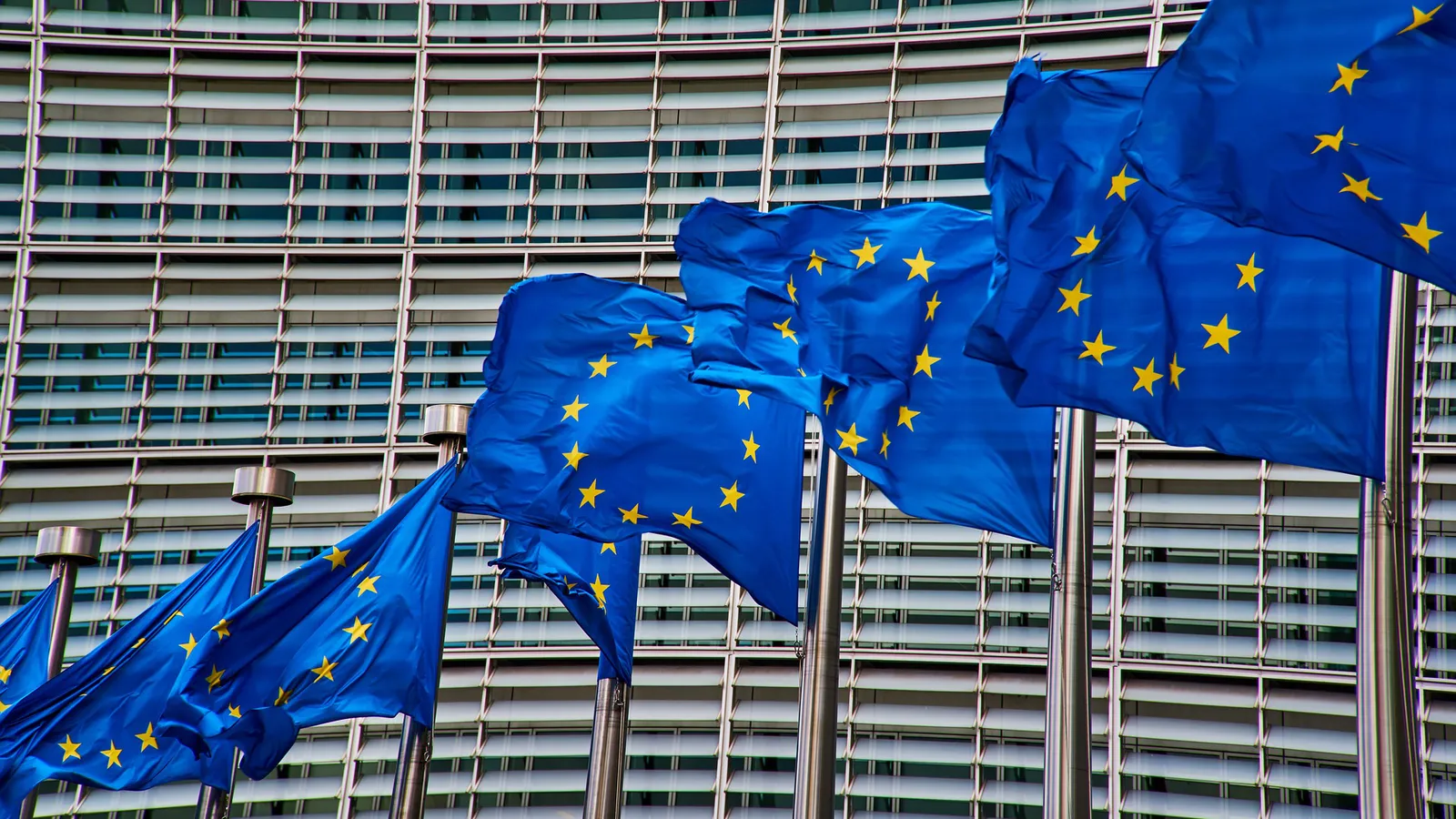
U.S. companies are using their influence in Brussels to oppose EU digital rules. US President Trump has repeatedly threatened to impose additional tariffs on the EU if Europe promotes "technological sovereignty" and reduces its reliance on US technology. Raphael Kergueno, an activist at Transparency International, said EU policymakers seemed to be providing more access to U.S. companies and it was necessary to question this.
Google met with officials 22 times on the EU's so-called "Digital Omnibus Bill" alone. The bill would relax some artificial intelligence rules, such as giving companies more leeway in using personal data to train models. Google, Amazon and Apple are also communicating with the EU on proposed cloud service regulation and children's online safety rules. A Google spokesman said the company had engaged with European policymakers to reflect the various new regulations it needed to deal with; Amazon and Apple said the communication covered issues important to customers and business. Airbus, Volkswagen and Total Energy declined to comment.
US technology companies also spend more on lobbying than many European companies. Apple's annual lobbying expenditure is about 9 million euros, Meta's is more than 10 million euros; Total Energy, Volkswagen and Airbus total up to about 8.7 million euros. The Brussels Transparency Register registers nearly 18,000 organizations, covering companies, industry associations and activist groups; the number of lobby groups of all types has doubled since 2016.
Based on the number of meetings since June 2024, the 20 most active organizations include the World Wildlife Fund 431 times, the European Federation of Transport and Environment 410 times, the American Chamber of Commerce 396 times, the Chinese government 359 times, the European Environment Agency 340 times, the European Business Federation 321 times, the European consumer organization BEUC 313 times, and the EU farmers and agricultural cooperatives organization Copa-Cogeca 311 times, Google 302 times, European Trade Union Confederation 278 times, European Chemical Industry Council 260 times, Apple 257 times, Israeli government 249 times, Amazon 239 times, European Automobile Manufacturers Association 236 times, Total Energy 236 times, Volkswagen 231 times, Confederation of German Industry 230 times, Climate Action Network 224 times, and Airbus 222 times. Among the lobbying expenses disclosed by the registration, the US Chamber of Commerce is 4.6 million to 5.5 million euros, the European Business Confederation is 6 million to 6.5 million euros, Copa-Cogeca is 1.5 million to 1.7 million euros, Google is 5.5 million to 6 million euros, the European Trade Union Confederation is 900,000 to 1 million euros, and the European Chemical Industry At least 10 million euros from the Council, 8 million to 9 million euros from Apple, 5.5 million to 6 million euros from the European Automobile Manufacturers Association, 3 million to 3.5 million euros from Total Energy, 2.8 million to 3 million euros from Volkswagen, 4 million to 4.5 million euros from the Confederation of German Industry, and 2 million to 2.2 million euros from Airbus. The remaining organizations did not report expenses; only certain categories of lobbying organizations are required to disclose spending.
Despite the number of meetings held by environmental groups, they have not been able to prevent the EU from weakening parts of its green agenda. WWF and the Federation for Transport and Environment have each held more than 400 meetings since June 2024, but have mainly contacted Green Party and left-wing MPs with similar positions, who are in the minority in the 720-seat European Parliament. William Totz, director of the Federation for Transport and the Environment, said it was now "much more difficult" to meet with the centre-right European People's Party, the largest group in the European Parliament. The European People's Party advocates rolling back some climate regulations on the grounds that it would reduce the regulatory burden on Europe's troubled industries. Totz believes that the party's proposal to cut red tape has become a "Trojan horse" for corporate lobby groups, not only to simplify regulations, but also to reopen the law and completely change its original direction. A spokesperson for the European People's Party said that MPs can decide who they want to meet with, and said that environmental NGOs have no longer had the same influence and support as before.
In contrast, U.S. companies have contacts with lawmakers of all political persuasions. This year, the U.S. Chamber of Commerce has had at least 22 meetings involving so-called "omnibus bills" that include relaxing pesticides or other environmental protection regulations. Mart Lohan, head of the European branch of the American Chamber of Commerce, said that reducing regulatory burdens is not a unique goal of the United States. Europe's own needs are also very clear. The Confederation of European Enterprises, the EU's largest industry lobbying organization, said that European enterprises have long demanded clearer rules and lighter regulatory burdens. Overall, more than 63% of meetings held with Transparency Register organizations were businesses or industry associations, and NGOs and think tanks accounted for about 23%.
EU lawmakers also held about 29,000 meetings with organizations not registered as lobby groups, including Beijing’s diplomatic missions and the Heritage Foundation, a conservative U.S. think tank. The Chinese mission stated that it would conduct regular friendly exchanges with EU institutions to promote the healthy and stable development of China-EU relations; the Heritage Foundation did not respond to a request for comment in time. MEPs must declare all meetings, but the parliament said they "should only meet with representatives of interests that are included in the transparency register"; the European Commission is only allowed to meet with registered organizations. Transparency International's Kelgenou called for loopholes in the current rules to be closed as soon as possible and to ensure that MEPs and their aides only meet with registered lobby groups.
The analysis matched the EU Transparency Register with records of meetings between the European Parliament and the European Commission, and used artificial intelligence to analyze entries and collate meetings between organizations. The statistics are estimates. Analysis found that some members' declaration records were incorrect, and some entries did not indicate the person they were meeting with. When multiple lobbying groups attend a meeting together, each meeting is counted separately; when multiple officials meet with the same organization at the same time, it is counted only once. Institutions with different branches or subsidiaries were combined into a single entity, and the researchers also sampled and manually checked the results. MEPs will not be required to declare meetings until November 2023, and the European Commission last year expanded the range of officials who must publicly lobby for meetings.
Comments