
Abstract:
After half a century of promoting the popularization of personal computing, Microsoft is trying to give the most iconic corporate oath in its history a new era. According to in-depth analysis by technology media, Microsoft is fully restarting and innovating the grand promise of "a PC on every desk and in every home" proposed by co-founder Bill Gates in the last century. In today's Windows 11 era, this core vision has been completely reshaped into: Let everyone and every computer be seamlessly popularized and run artificial intelligence.
When Microsoft was founded, computing equipment was still expensive and exclusive to large institutions and research institutes. Gates' vision of the desktop PC was seen as fanciful at the time, but it ultimately reshaped modern work and digital lifestyles around the world. In the technology wave with large language models as the core in recent years, Microsoft has fully bet its future development chips on the AI ecosystem. With the Copilot assistant being deeply integrated into the underlying operating system and the comprehensive promotion of the Copilot+ PC standard, Microsoft management and technical architects believe that AI has evolved from an optional enhanced tool to the third reorganization of the underlying computing paradigm after the graphical user interface (GUI) and the Internet.
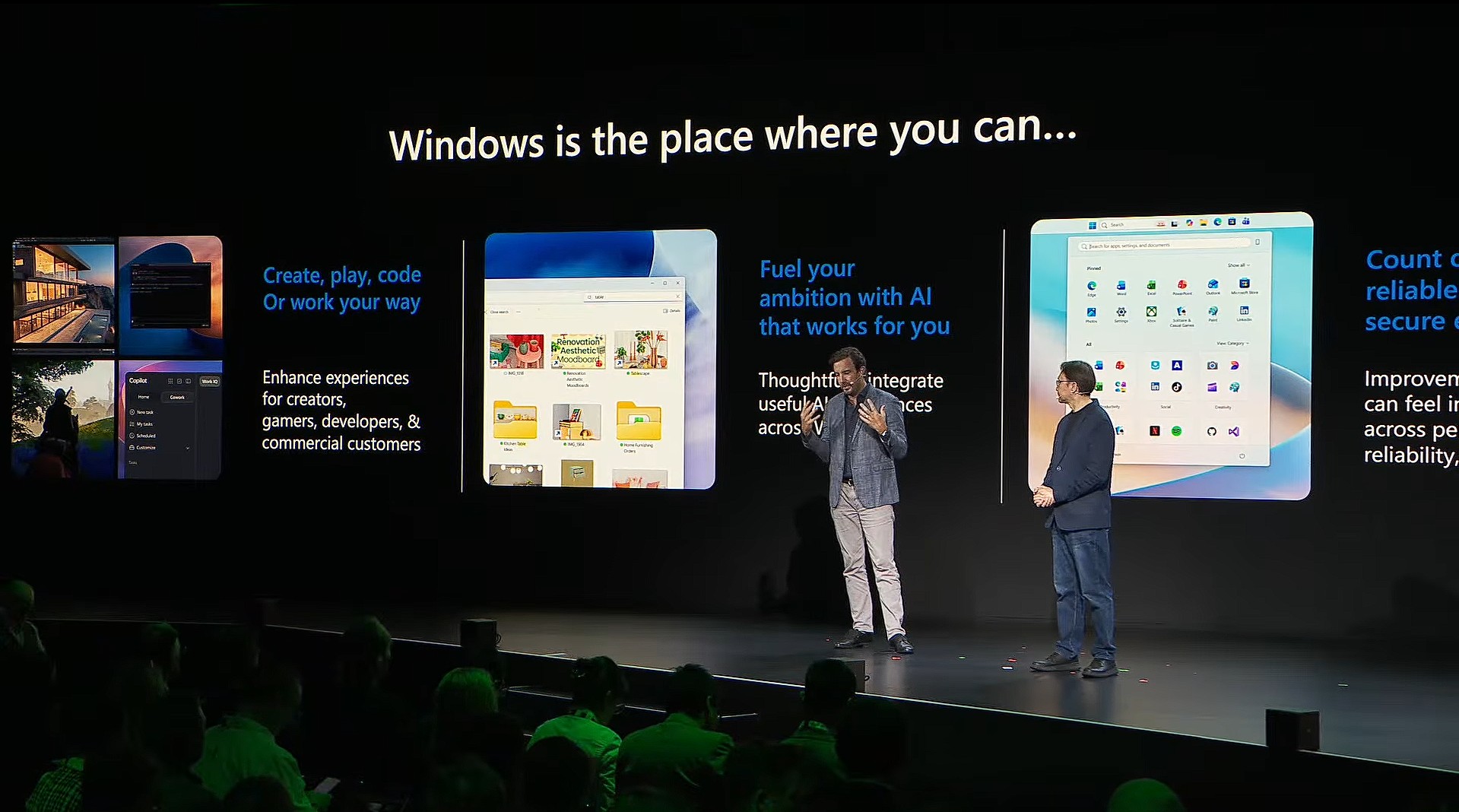
The current evolution path of Windows 11 is faithfully reflecting this strategic restructuring. From the neural rendering enhancements of Windows Recall, Paint and Photos, and other system built-in applications, to the end-side intelligent reasoning based on the NPU local neural processing unit, Microsoft no longer regards Windows simply as a cold desktop application launch platform, but redefines it as an "AI workbench within everyone's reach." Microsoft aims to ensure that whether users are in education, professional productivity or daily entertainment scenarios, AI can become an integral infrastructure of PCs just like mouse clicks and multitasking windows back then.
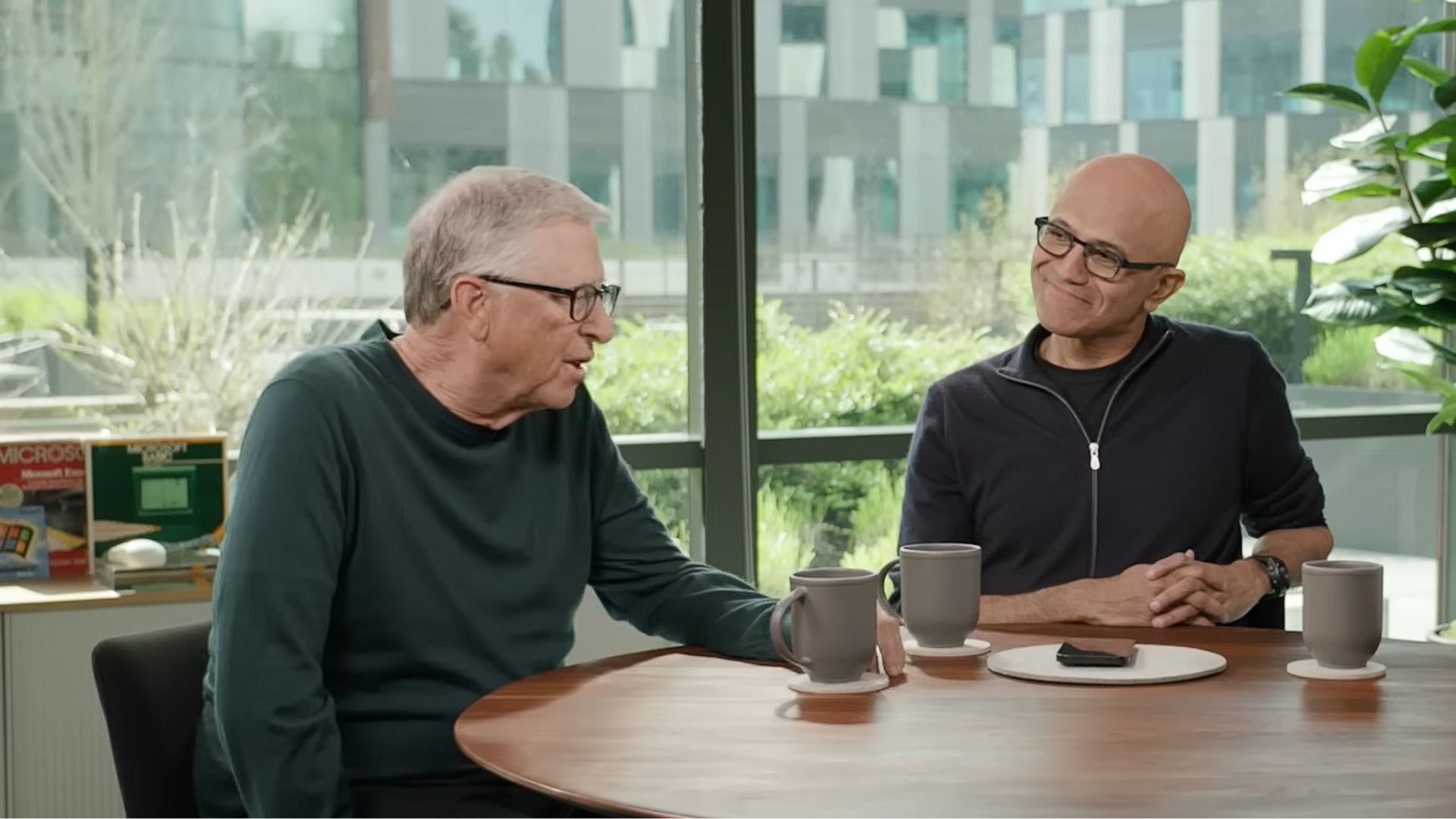
However, this grand reconstruction has triggered a fierce collision of opinions among user groups and technology observers. Some supporters believe that running large AI models locally on personal devices will greatly improve data privacy security and daily office efficiency, and is a key engine for revitalizing the global PC hardware replacement trend and technological leaps. But at the same time, a lot of controversy also followed.
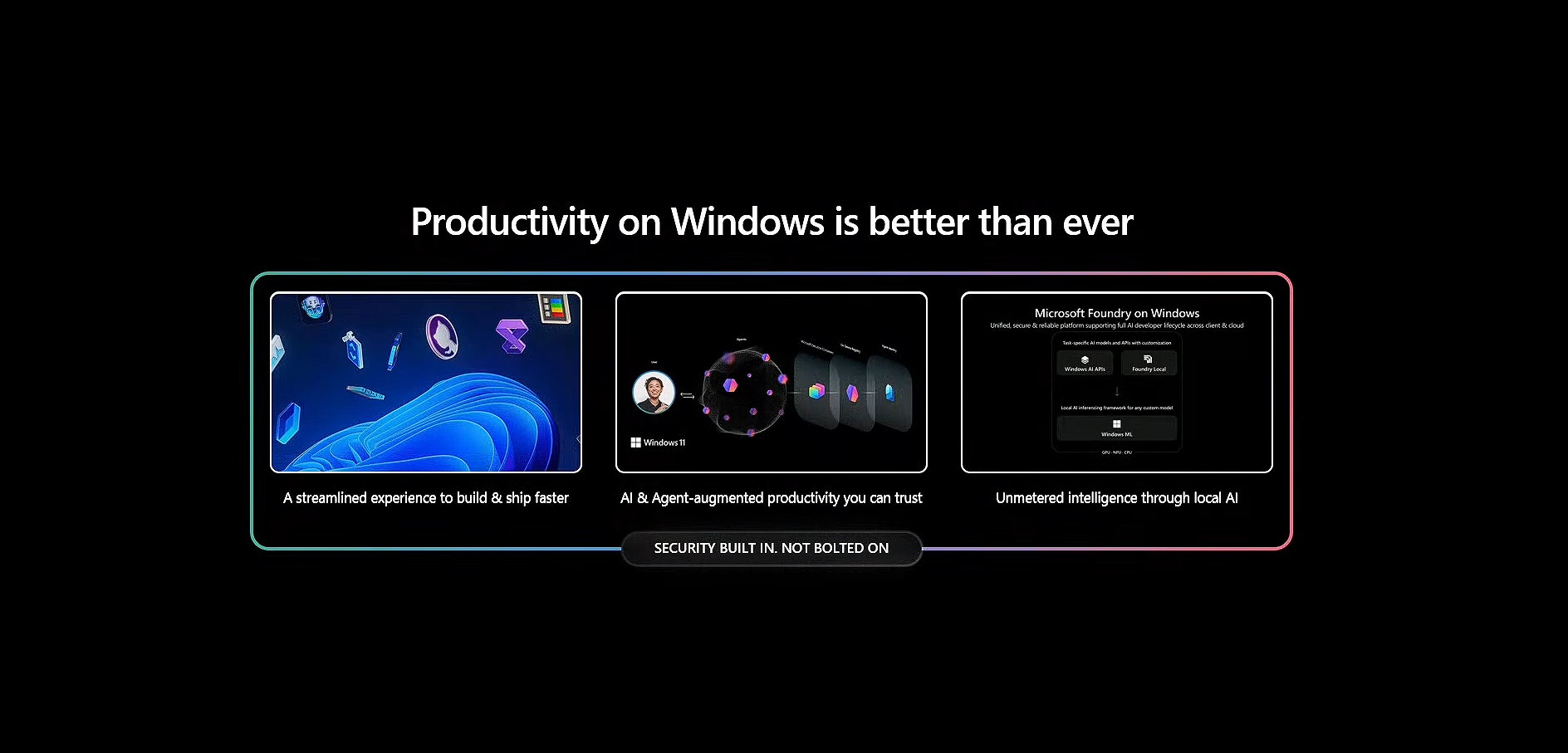
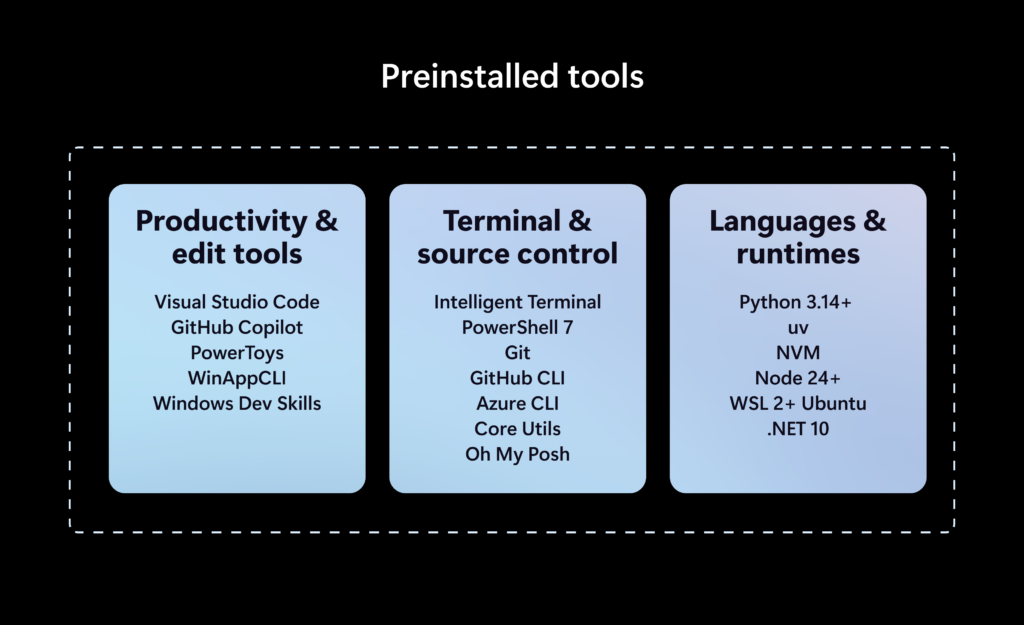
Many long-term users and critics pointed out that Gates's early vision was based on "keeping it simple" and "close to the most essential actual needs of users." However, Windows 11 currently overly aggressively forces AI entrances into various core components and menus, which has even caused concerns about bloated functions, unstable system updates, and privacy leaks. Some communities even jokingly called it a deviation from the original intention of the tool to serve people.
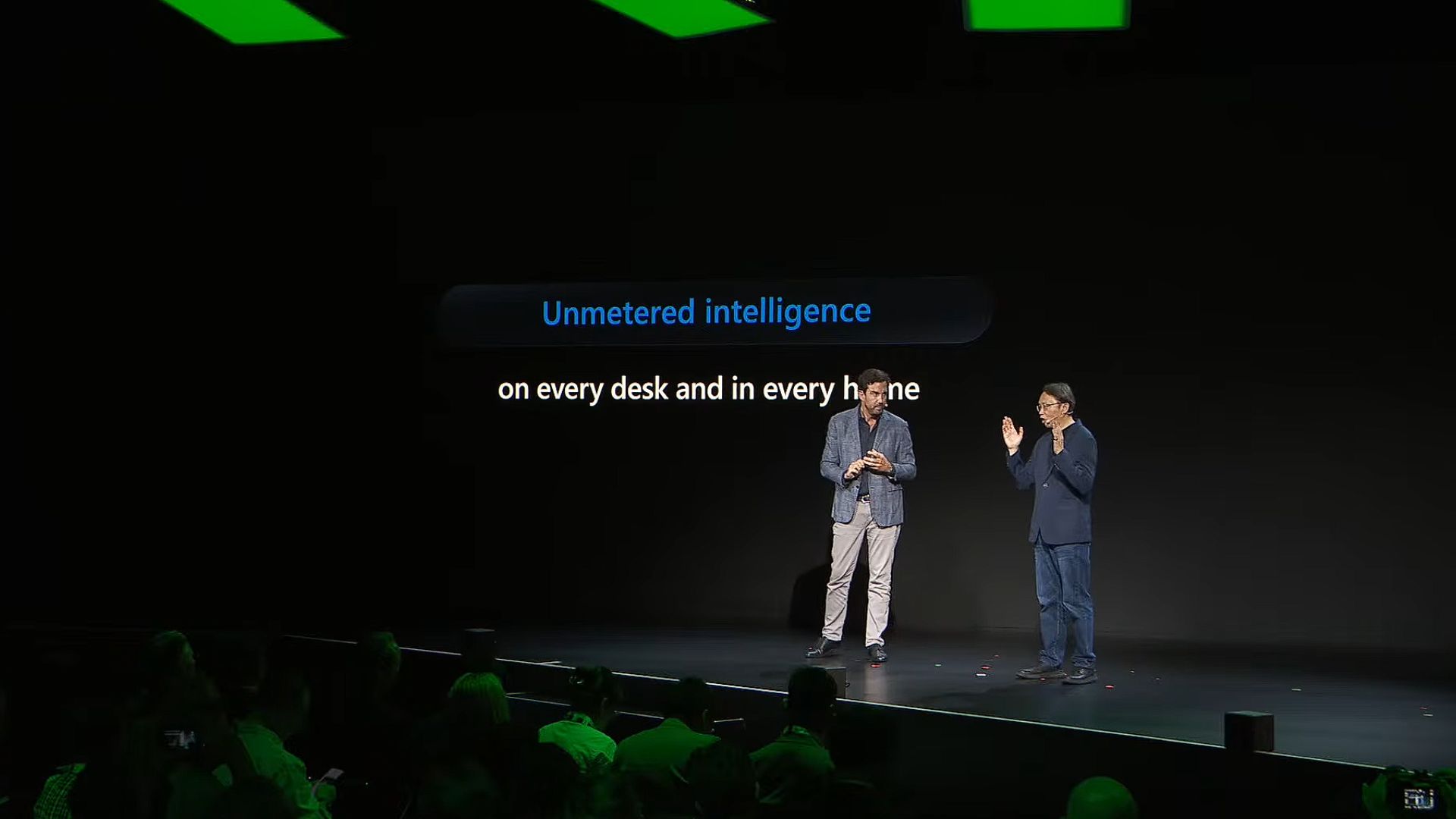
Analysts pointed out that Microsoft's return to its original intention in the Gates era is essentially a strategic oath made during a period of delicate competition between AI commercialization and user acceptance. Faced with fierce competition from Apple's self-developed silicon chip ecosystem and the Linux camp, Microsoft is trying to prove to Wall Street and billions of existing users around the world that the irreversible deep binding of Windows and AI is not a blind follow-up, but a historical necessity that continues Microsoft's founding genes. Whether the "promise of universalization" in this new era can ultimately win the heartfelt recognition of users as it did when PCs were popularized, will depend entirely on whether Microsoft can radically promote cutting-edge algorithms while truly maintaining the basic bottom line of system stability, rapid response, and respect for users' right to choose.
Comments