
Abstract:
Microsoft is exploring a way to use the idle computing power of ordinary consumer computers to train artificial intelligence models. According to a recently published patent application, Microsoft proposed to establish a distributed computing network to split large-scale AI model training tasks into a large number of small tasks and distribute them to idle gaming computers, laptops, and even smartphones. Users who are willing to provide equipment computing power may receive points, free software, AI model usage rights, and even cash rewards.
This technology is called "Opportunistic Micro-training on Edge Devices Using Spare GPU Utilization" (Opportunistic Micro-training on Edge Devices Using Spare GPU Utilization) and was submitted by Microsoft Technology Licensing, a Microsoft technology licensing company. The patent application was submitted on April 30, 2025, and published on November 5, 2026, with the number US 2026/0349820 A1.
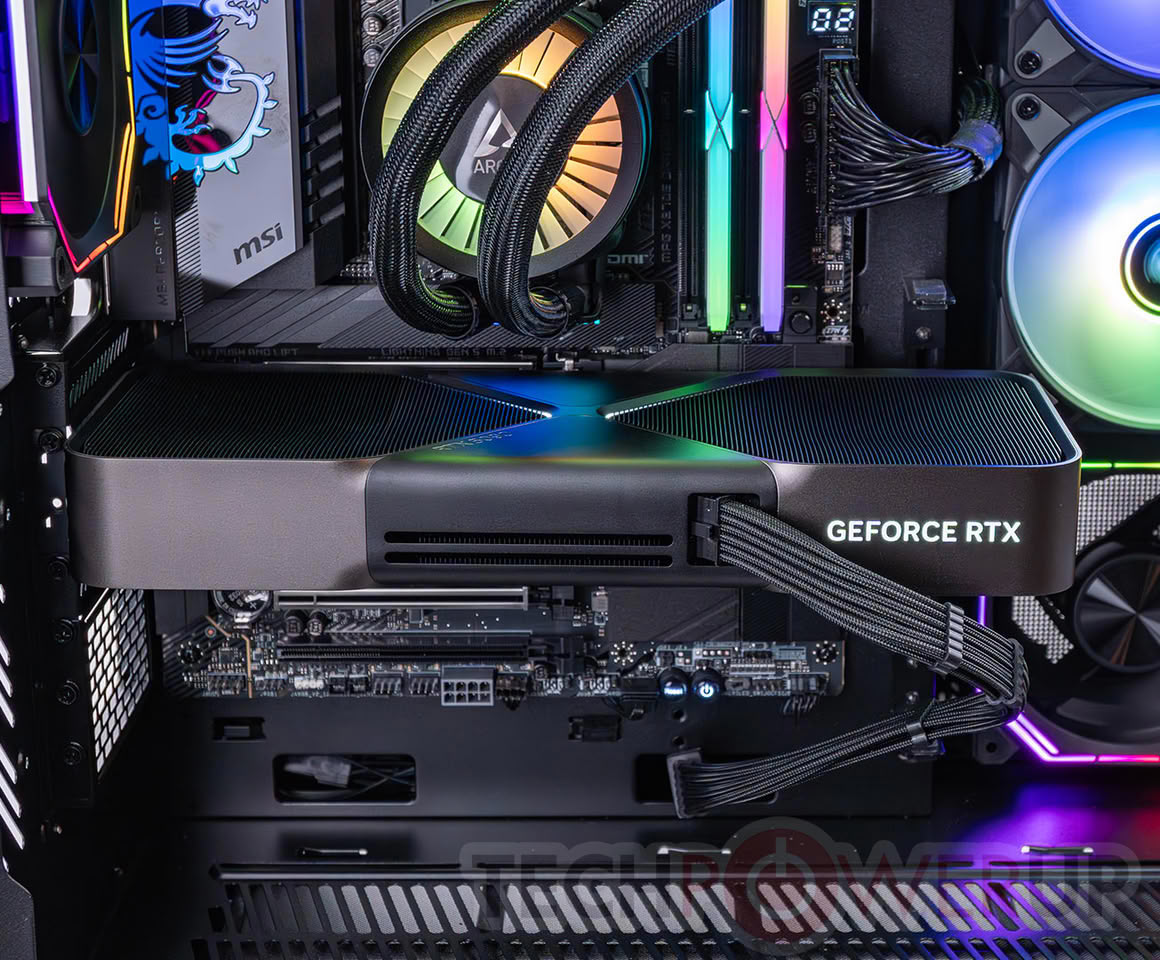
Microsoft pointed out in the application documents that the demand for GPUs for artificial intelligence model training continues to grow, which has caused a shortage of computing resources and pressure on hardware supply. At the same time, many gaming PCs are equipped with powerful discrete graphics cards, but these devices often remain under low load for long periods of time when the user is not playing games. Microsoft hopes to integrate these scattered idle computing power to form a distributed computing network that can serve AI training.
The basic idea is different from traditional large data centers. Large-scale AI training tasks usually require thousands or even tens of thousands of GPUs to work together. Microsoft proposes to first analyze the model, establish dependencies between different computing tasks, and then split the entire training process into multiple relatively independent small tasks, which are so-called micro-tasks.
The system then distributes these tasks to PCs participating in the network based on the GPU performance, video memory capacity and available time of the different devices. After the device completes the calculation, it uploads the results to the central system, where the server verifies and integrates them, and continues to promote subsequent training.
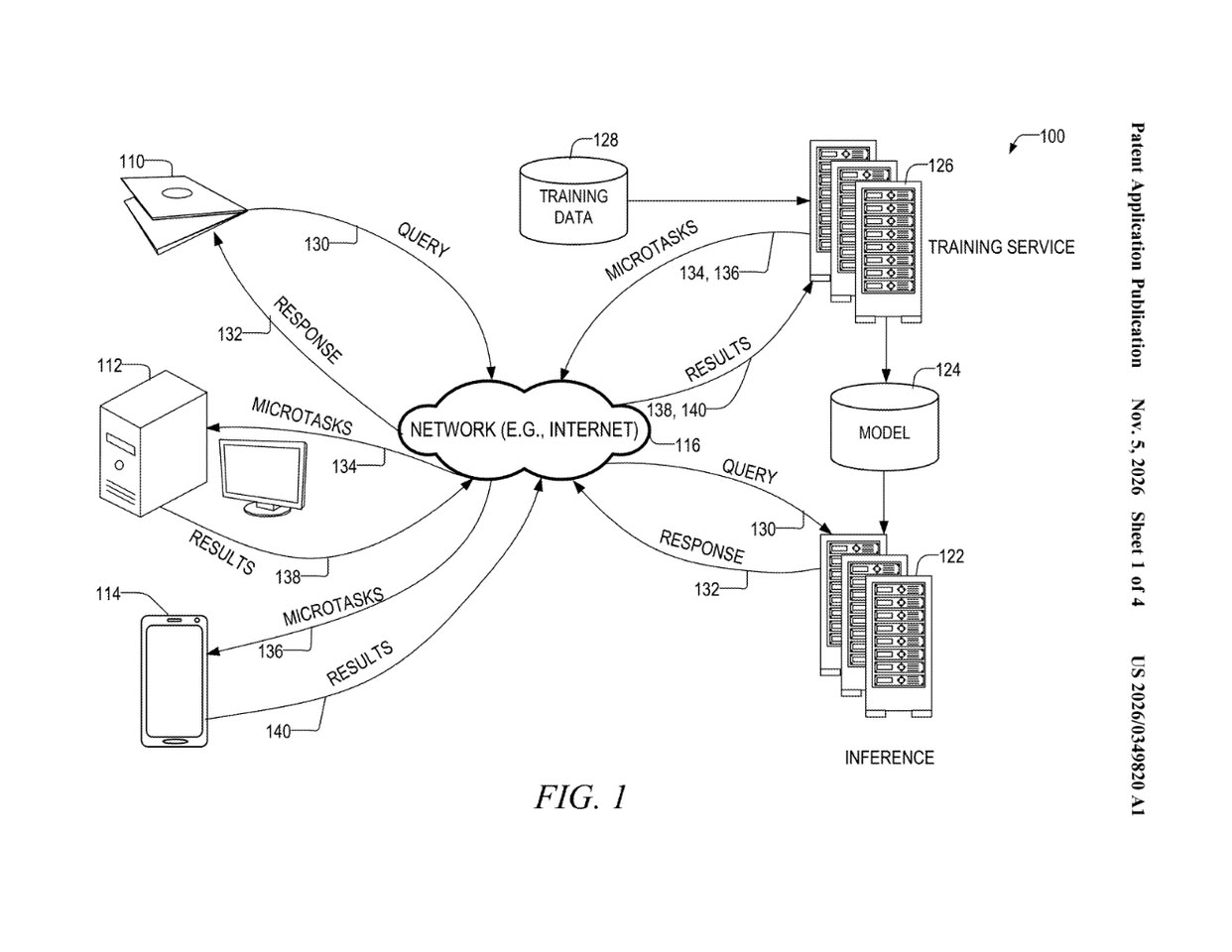
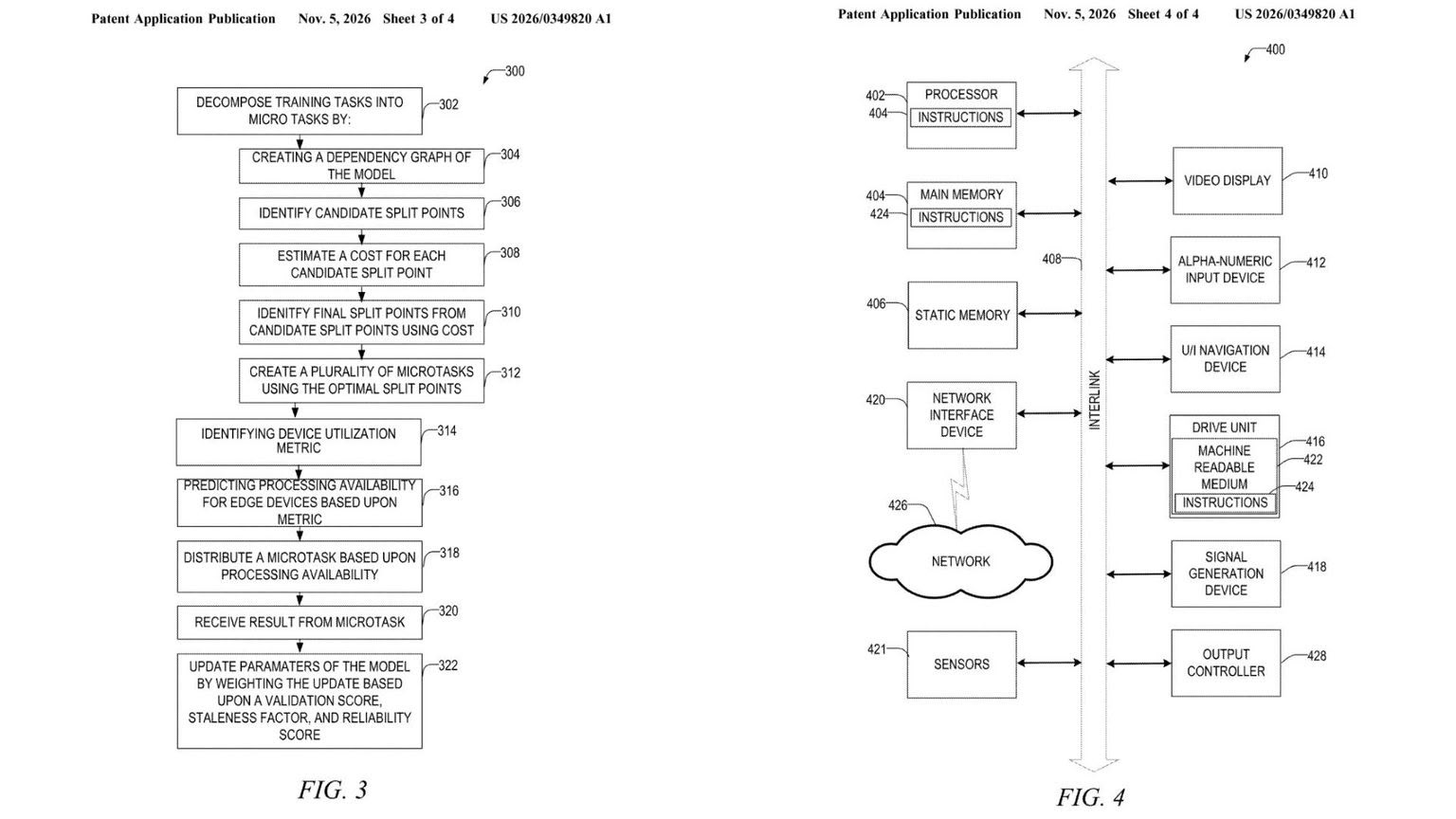
In order to prevent performance differences between different devices from affecting overall efficiency, Microsoft has also designed a dynamic task allocation mechanism. The system will evaluate the communication cost, additional memory overhead and frequency of data transmission between different devices after task splitting, and try to choose a task splitting method suitable for distributed execution.
One of the most important features of this system is its ability to determine when the user's computer is truly idle. Microsoft plans to continuously monitor GPU utilization, video memory usage, processor load, device temperature, and power consumption, and use these data to predict the available computing power of the device in the future.
For example, when the user is running a large game, the system can reduce the frequency of task allocation or even suspend calculations completely; when the computer is in desktop standby, the GPU temperature is low and the video memory is sufficient, more training tasks can be allocated. The system will also adjust the monitoring frequency according to the actual situation of the equipment to avoid additional burden caused by frequent inspections themselves.
Microsoft specifically emphasized that the design goal of the entire mechanism is to avoid affecting users' normal use of computers as much as possible, including reducing the running speed of applications, increasing device heat, and consuming battery power. The tasks assigned to different devices will also be dynamically adjusted based on their hardware capabilities. Devices with weaker performance or that may be offline at any time will only undertake smaller computing tasks.
For distributed computing networks, another difficult problem is how to ensure that the results returned by participating devices are trustworthy. After all, computers on the network can make calculation errors, unexpectedly disconnect, or even intentionally submit false results.
To this end, Microsoft proposed to cross-validate the calculation results returned by different devices, and give different weights to the returned results based on the past reliability of the device, the consistency of the results with the calculation results of other devices, and the newness of the data. Devices that perform consistently over time will be given higher credibility, while devices that frequently submit abnormal results may be downgraded.
Of course, the most attractive thing about this patent for ordinary computer users is the possibility of getting paid for providing computing power.
As submitted by the application documents, users need to actively register and explicitly authorize the device to participate in calculations. The system can record the amount of computing work done by each device and compensate the device owner based on the contribution. These compensations can take the form of account points, which users can then redeem for free software, access to AI models being trained, or simply receive cash.
It is worth noting that Microsoft did not announce specific compensation standards in the document, nor did it explain how much revenue different graphics cards can earn per hour. The patent only describes possible incentive mechanisms and does not mean that Microsoft is ready to launch a paid service for consumers.
In addition, this system does not necessarily only serve Microsoft's own AI models. The patent also describes a possible model in which a third-party organization provides training tasks and Microsoft is responsible for connecting task requesters and personal device owners. In other words, Microsoft has the opportunity to become an intermediate platform in the distributed GPU computing power market, allowing companies that lack computing resources to rent idle GPU power in ordinary consumer computers.
However, this model also has some practical problems. First of all, just because the GPU is idle does not mean that running computing tasks does not consume power. Once the graphics card starts performing AI training tasks, the power consumption of the entire computer may increase significantly, and the user will need to bear additional electricity bills. If the compensation amount is not enough to cover the cost of electricity, participants may not be able to truly make a profit.
Secondly, running high-load computing tasks for a long time will increase the heat generation and heat dissipation pressure of the graphics card, and may also affect the usage of hardware such as fans and power supply systems. Even if the system can dynamically adjust tasks based on temperature, the actual operating effect still needs to be verified through long-term testing.
Data security also deserves attention. Personal computers will receive computing tasks from third parties. How to isolate external code, protect local files and user privacy, and how to prevent malicious tasks from exploiting device vulnerabilities are all issues that must be solved in this type of distributed computing network.
There is another detail that is easily overlooked: although the patent application mentions payment of compensation to the equipment owner, the relevant compensation does not appear in its 20 claims. In other words, the patent focuses on how to split training tasks, monitor equipment idle status, allocate computing work, and verify results, while the payment mechanism is only an optional implementation described in the specification.
Currently, Microsoft has not announced the launch of this service, nor has it announced supported graphics card models, participation conditions, remuneration standards or official launch time. The publication of a patent application itself does not mean that related products will definitely enter the market.
If this idea is finally realized, its model may be reminiscent of early distributed computing projects, such as Folding@home, which uses the idle computing power of personal computers to participate in scientific research. The difference is that Microsoft hopes to further commercialize this model and make ordinary consumers' gaming computers part of the AI industry's computing infrastructure.
For users with high-performance graphics cards, computers in the future may no longer only be used for games, rendering, and local AI inference. When the computer is not in use, the idle GPU may also become a computing resource that can be rented. However, whether a truly attractive business model can ultimately be formed still depends on whether the remuneration is sufficient to cover electricity bills, hardware losses, and users' trust in device security and privacy.
Comments