
Abstract:
The head of Microsoft's core design team recently publicly responded positively to the system fluency and interface responsiveness of Windows 11. The executive said that
Microsoft has listened deeply to users' long-term feedback about stuck and delays in some interfaces of the system, and has carried out in-depth optimization of the system's underlying rendering and interactive code. Users will experience the comprehensive speed-up that is "visible and perceptible to the naked eye" in the annual major feature update that will be pushed out this fall.
Since the release of Windows 11, the new Fluent Design modern design language, rich rounded shadows, and frosted glass translucent visual effects have received visual praise. However, in old devices or high-load scenarios, problems such as taskbar pop-up, start menu calling, file explorer cold start, and slow right-click context menu rendering have always been pain points that the community and advanced users have focused on. Occasional frame drops and tiny pauses in some core system interfaces during interaction make the overall system smoothness even inferior to previous-generation systems in the eyes of some users.
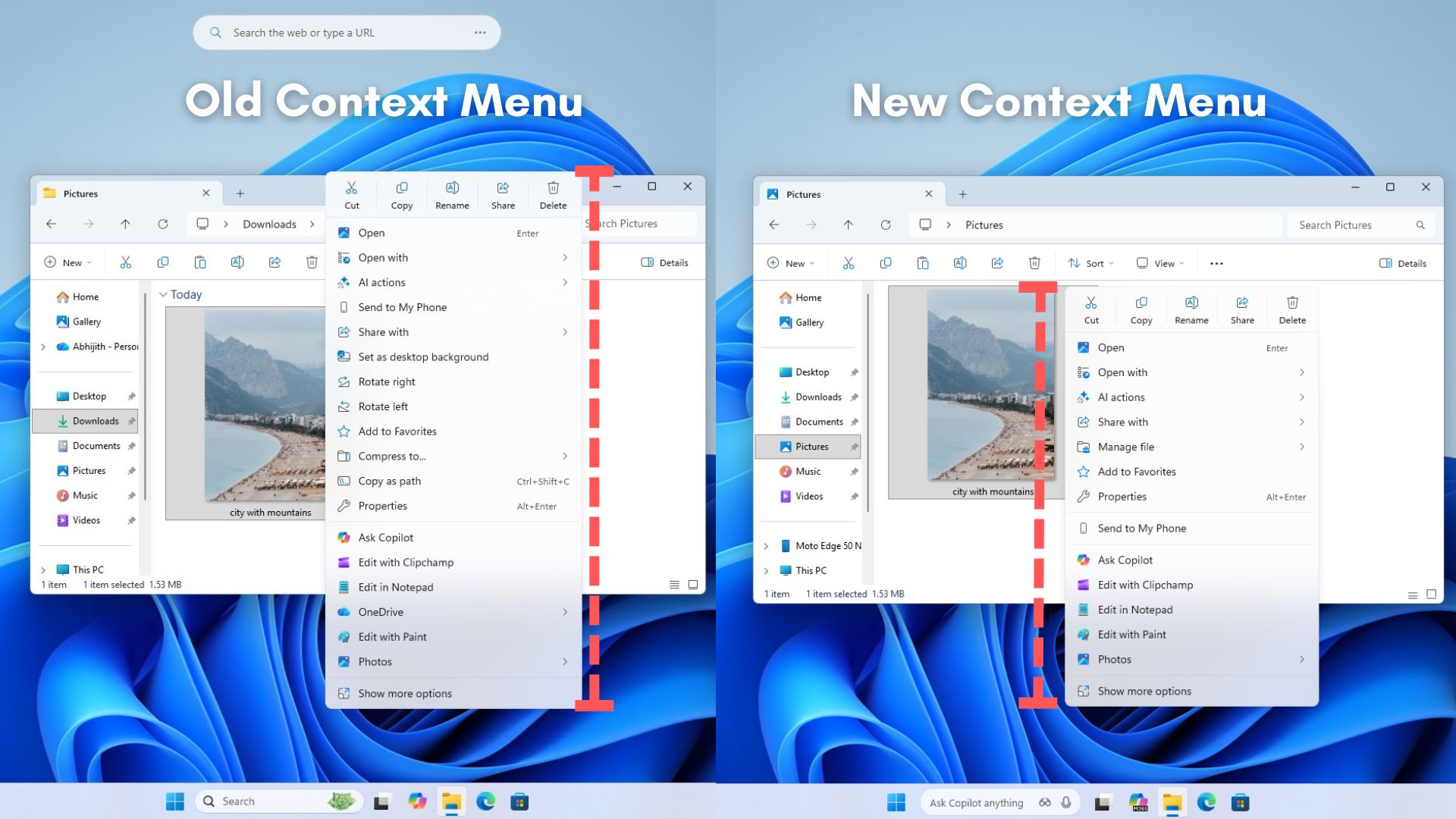
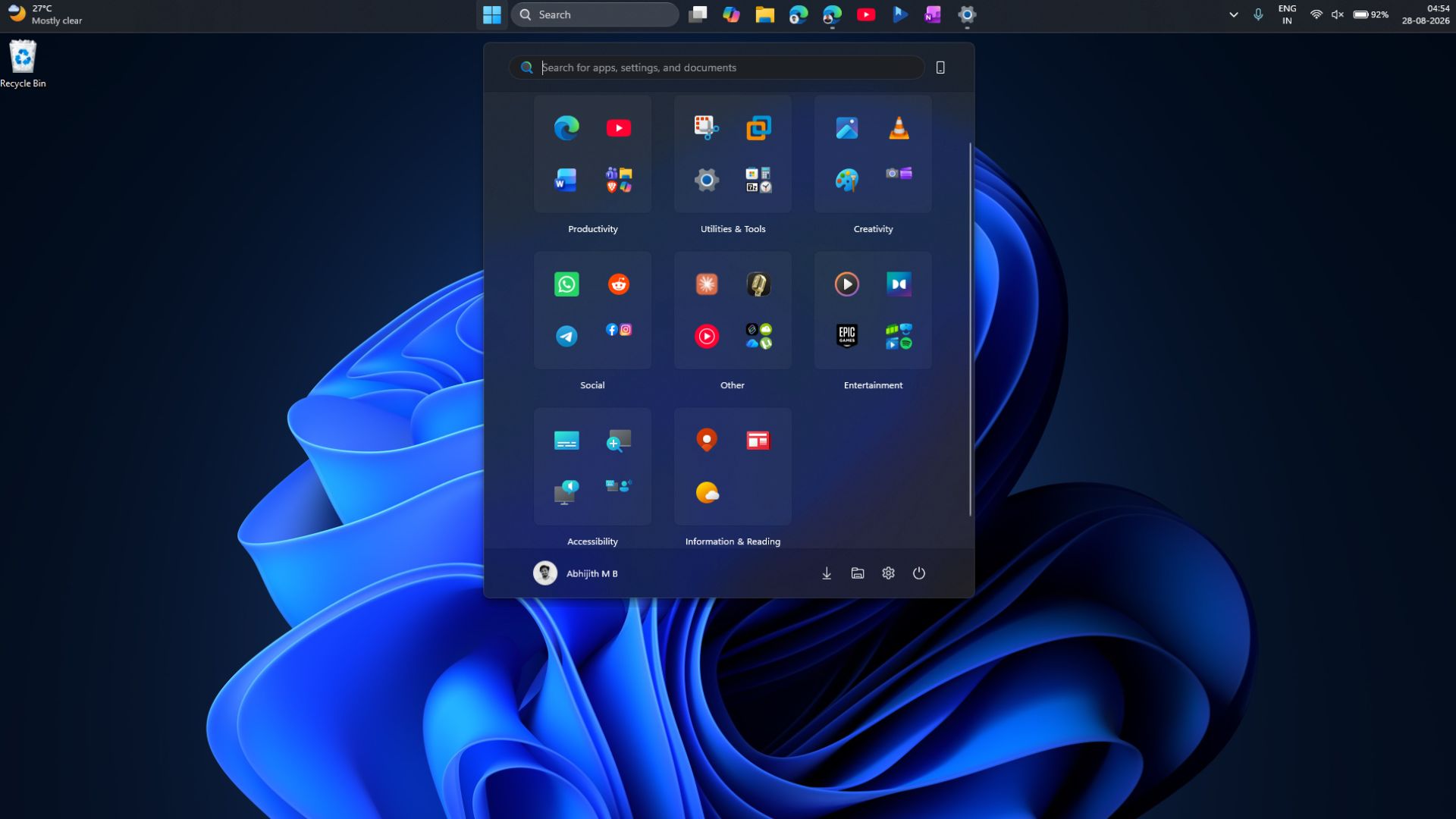
In response to this current situation, Microsoft's design director emphasized in the latest technical interviews and communications that the design team and the Windows underlying engineering team are collaborating on a thorough "burden reduction and speed-up" project. In the past few months, the development team has restructured multiple modern XAML interface components, including the taskbar tray, quick settings panel, and notification center, reducing unnecessary background abstraction layers and redundant script calls, and significantly reducing the interface's unnecessary consumption of CPU frequency and memory instantaneous bandwidth when drawing and animation are triggered.
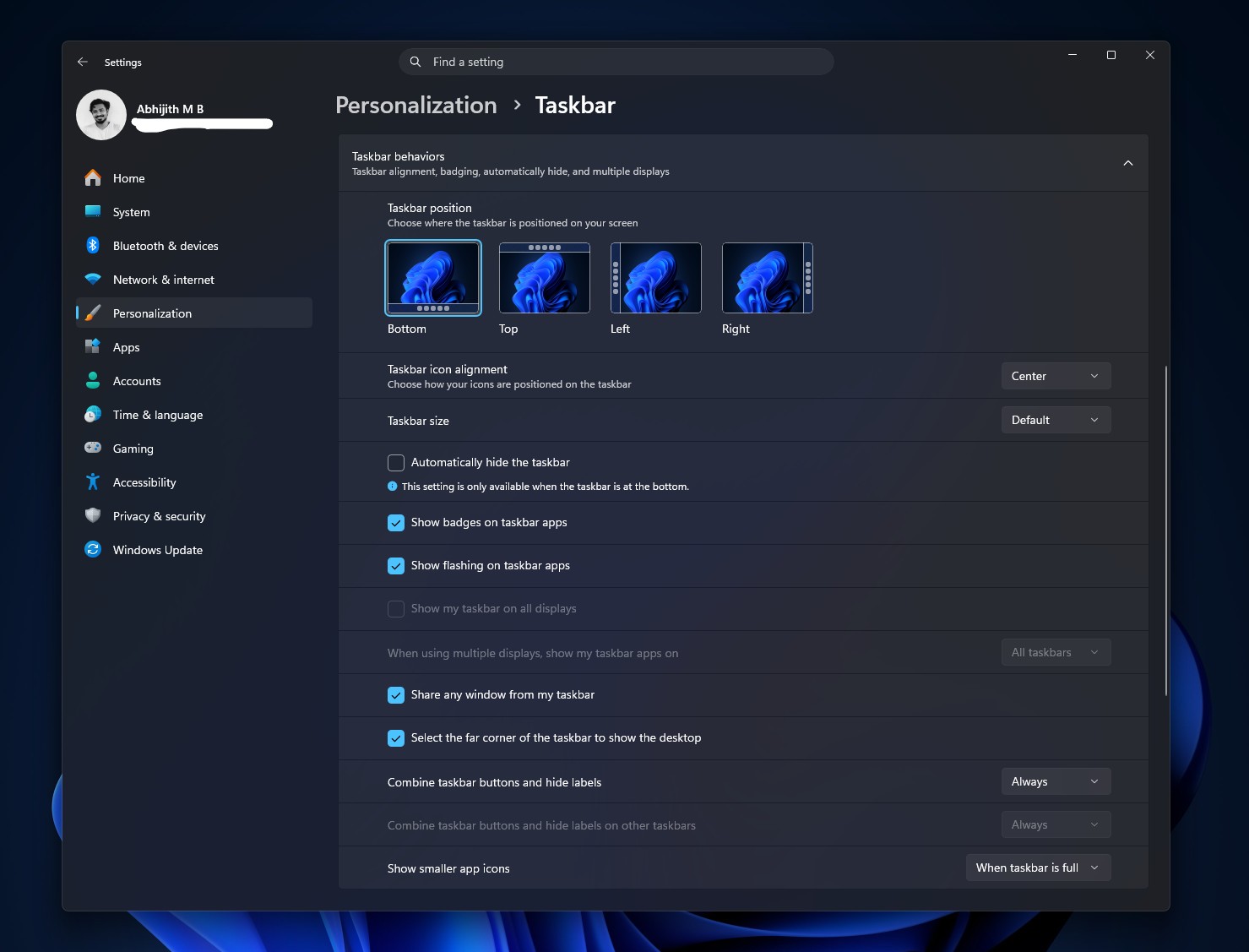
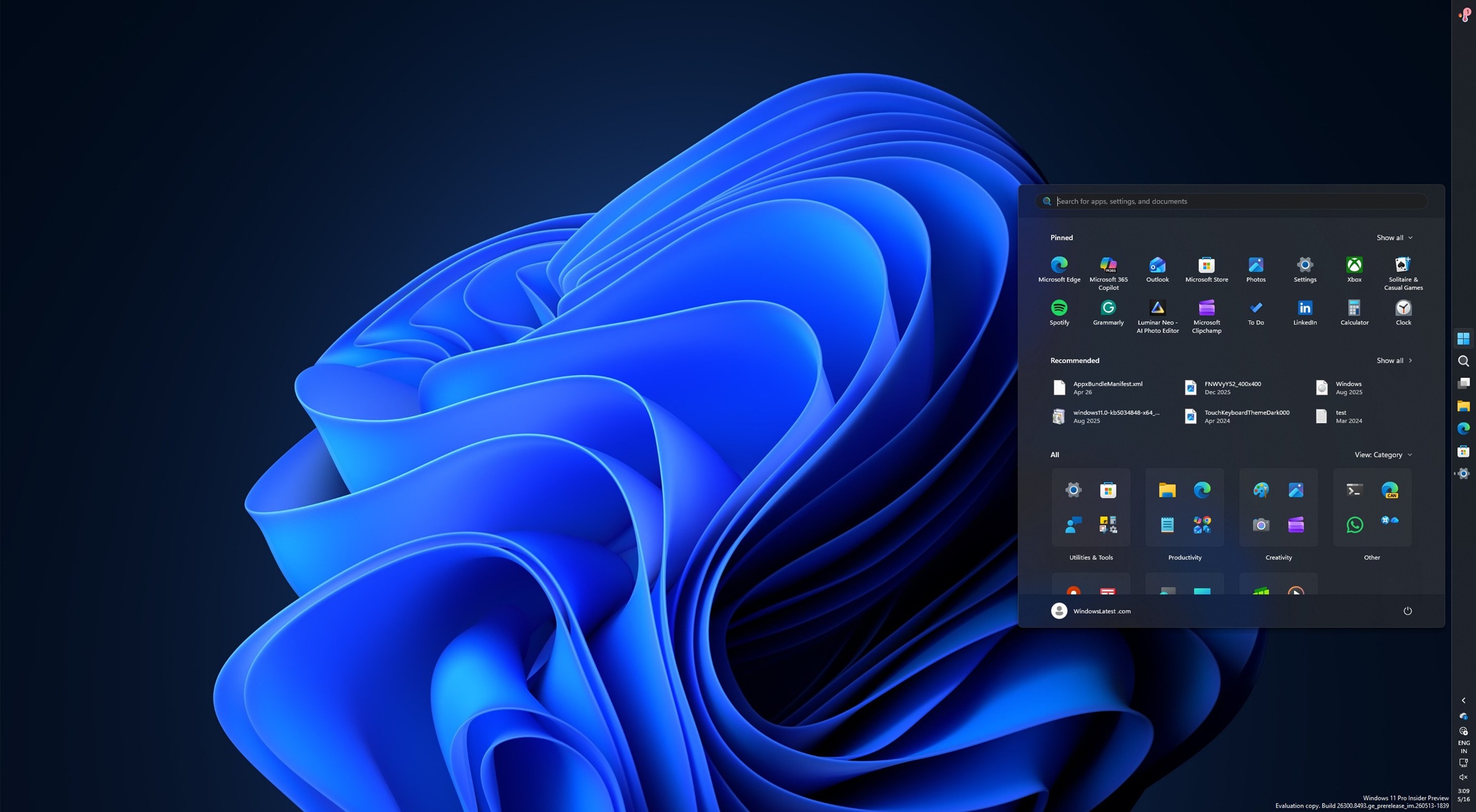
In addition to streamlining the basic interface, the performance reconstruction of File Explorer, a high-frequency productivity tool, is also a top priority in this autumn's update. Officials revealed that the entire logical path for large folder reading, multi-tab switching, and right-click menu expansion has been rewritten, eliminating the third-party injection check bottleneck that previously caused menu pop-up delays, making the system response curve under high-frequency operations steeper and more direct.
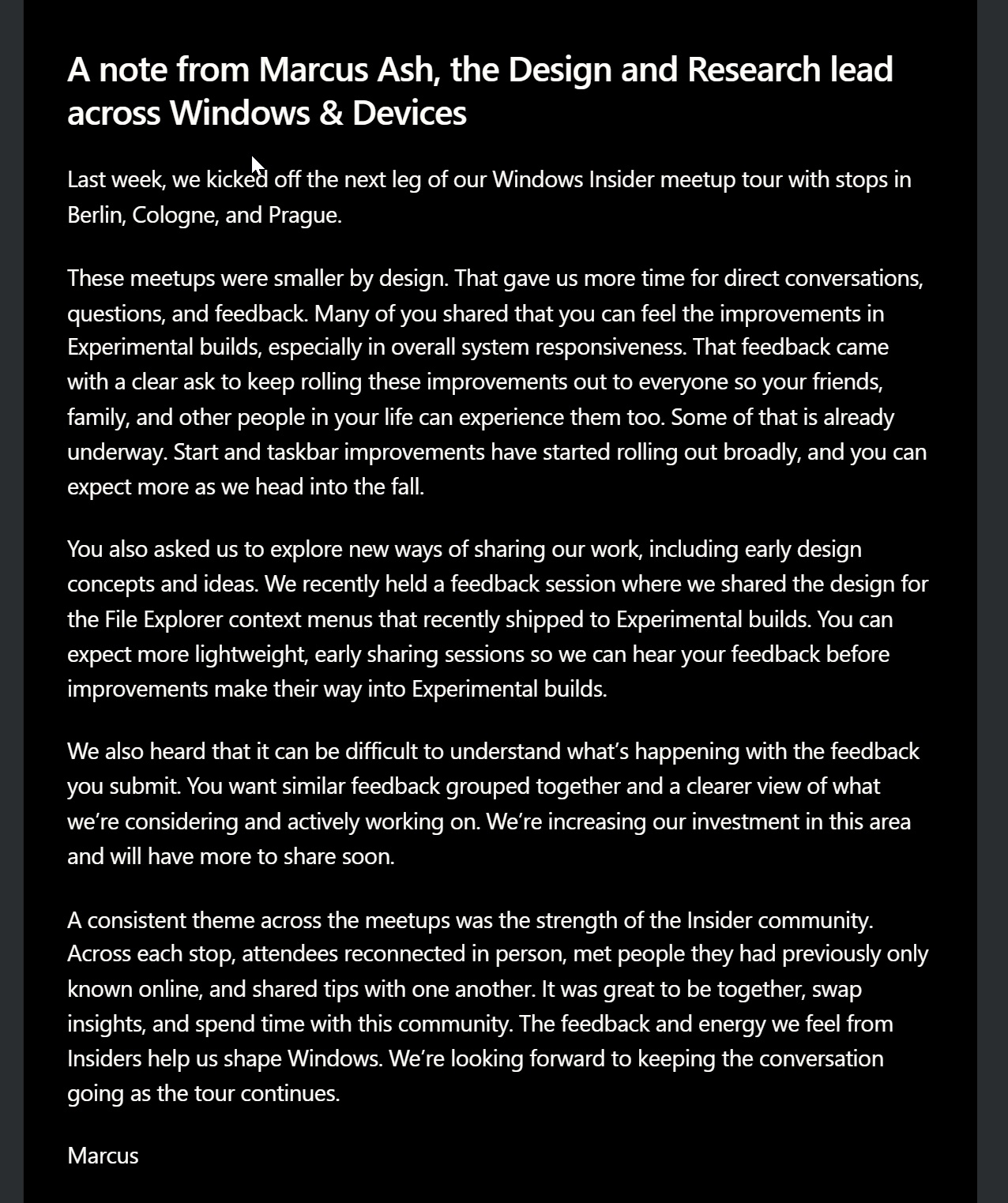
The design director pointed out that speed and responsiveness are themselves the core design language. Microsoft's goal is to allow users to feel a refreshing and solid lightness when booting up, multi-tasking switching and daily window dragging, whether on a top flagship AI PC or a conventional device that meets the minimum hardware threshold. The relevant performance tuning patches are currently undergoing the final stage of extreme stress and compatibility testing in the preview experience program. All optimization results will be fully delivered to users with the official version of Windows 11 updated globally this fall.
Comments