
Abstract:
After completing a landmark flight around the moon, American astronauts Victor Glover and Reed Wiseman are embarking on a new phase in their careers. NASA recently announced that the two will move to "emeritus" positions at the Johnson Space Center in Houston in September 2026. After ending their previous full-time positions, they will continue to provide professional experience for NASA's future manned deep space exploration missions.
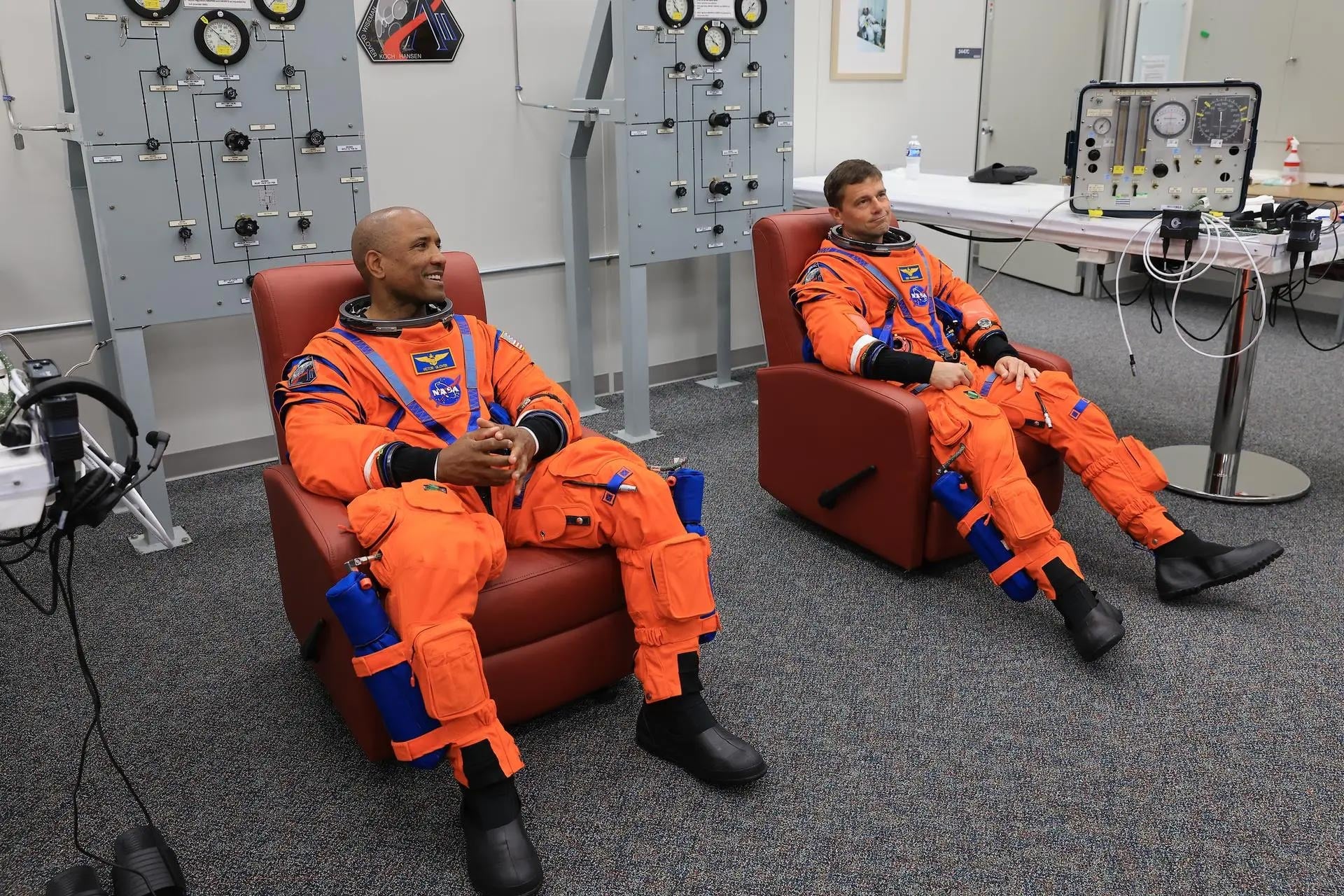
NASA's emeritus program allows experienced staff to remain involved with the agency after leaving their original full-time positions. Those who join the program provide training and mentoring to current employees on a voluntary basis, allowing NASA to continue to leverage the expertise accumulated by these veterans while also giving them greater freedom to pursue other jobs within NASA and outside the agency.
NASA Administrator Jared Isaacman said that the leadership, professionalism and sense of responsibility that Glover and Wiseman have demonstrated over the years reflect the important characteristics of NASA's manned spaceflight team. Wiseman has lived on the International Space Station for a total of 165 days and served as the commander of the "Artemis 2" mission; Glover has experience as a U.S. Navy pilot, test pilot, and Crew-1 mission astronaut, and served as a pilot on Artemis 2. Together, the two participated in one of the most challenging missions of the manned deep space exploration system and helped U.S. manned spaceflight re-enter the lunar environment. After transitioning into emeritus positions, they will continue to transfer their mission experience to astronauts, flight controllers and engineers to prepare for Artemis 3 in 2027 and subsequent missions.
After transitioning to his new position, Glover plans to continue to be involved in the fields of aerospace, leadership, and public service, and will continue to share his experience with the Orion spacecraft and its spacecraft systems within NASA. The technical knowledge he accumulated during the Artemis 2 mission will also become an important source of experience for future Artemis missions.
Glover said that NASA and manned spaceflight are still a very important part of his service experience. He hopes to continue to support colleagues still working at NASA and help subsequent astronauts complete their missions to the moon.
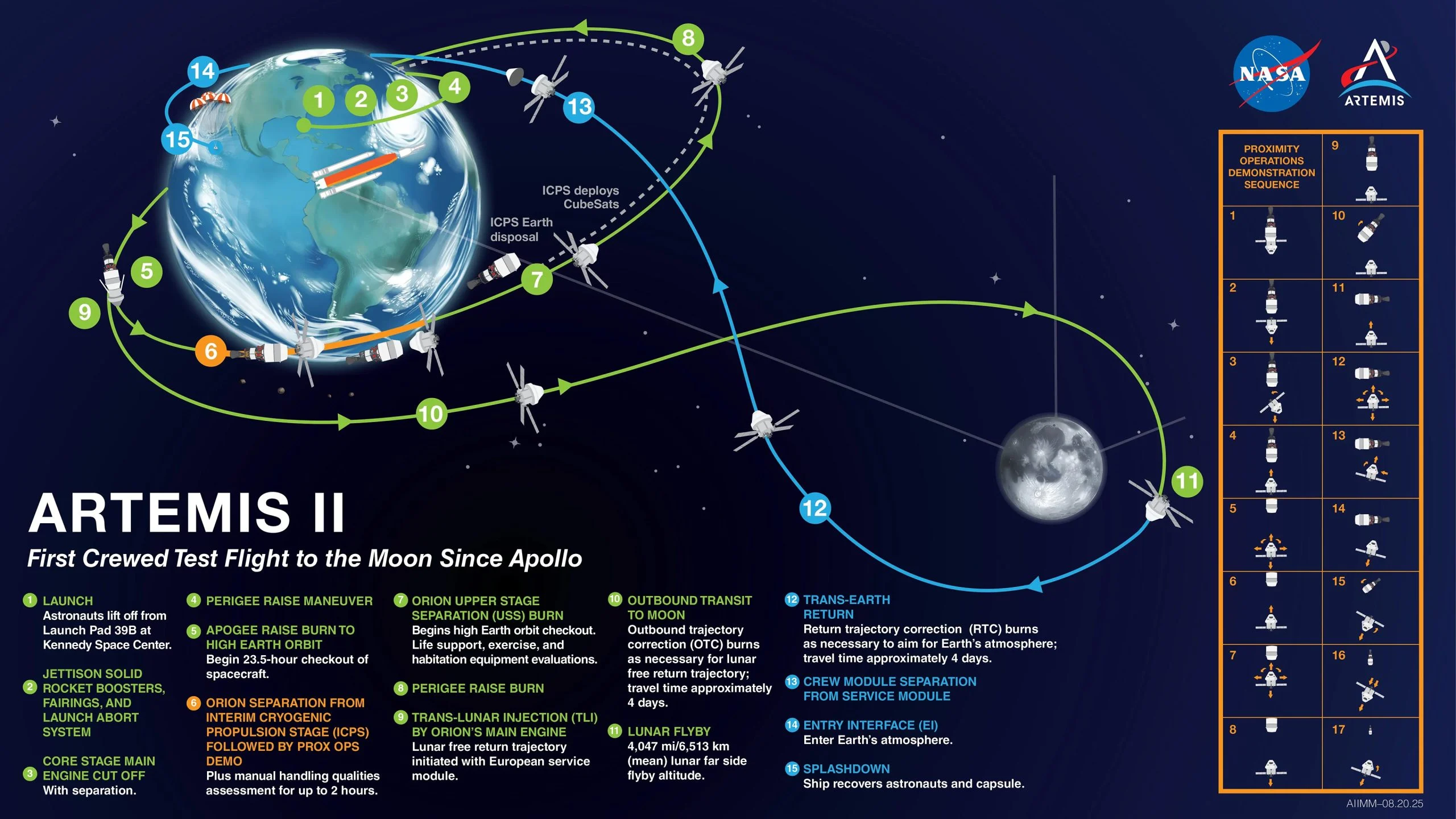
Artemis 2 is the first manned mission of NASA's deep space manned exploration system. Its core consists of the Orion spacecraft, the Space Launch System (SLS) rocket and the ground system at the Kennedy Space Center in Florida. The mission lasted about 10 days. Four astronauts took the Orion spacecraft into deep space and conducted a comprehensive test on the actual operation of the spacecraft and its various systems in a manned state. This successful flight is not only an important node in NASA's Artemis program, but also accumulates key data and practical operating experience for subsequent manned lunar landing missions.
Wiseman will also continue to use his aerospace experience to provide support for subsequent Artemis missions. He said that NASA is a proud working environment, where he has held important responsibilities and received support from the agency for his two space missions and his work as chief astronaut, so he is happy to continue to participate in future missions and projects through the emeritus program.
Vanessa Wyche, director of NASA's Johnson Space Center, said that the contributions made by Glover and Wiseman in exploring, leading and serving the astronaut team will have a long-term impact on NASA's future manned spaceflight efforts. She believes that the professionalism, humility and sense of responsibility the two displayed during their careers at NASA left important experience for subsequent personnel.
Scott Tingle, head of the Astronaut Office at Johnson Space Center, also said that the two men’s professional abilities, calm leadership style and long-term investment in NASA have had a lasting impact on the Astronaut Office. Although they will leave their original full-time positions, they will still serve as part of the NASA community and continue to influence the future astronaut corps by sharing their experiences and insights.
Glover and Wiseman are both members of the four-person Artemis 2 crew. The other two members are NASA astronaut Christina Koch and Canadian Space Agency astronaut Jeremy Hansen. The four people were launched on an SLS rocket, took the Orion spacecraft on a mission around the moon that lasted about 10 days, and splashed down safely back to Earth on April 10, 2026.
This mission made them the first humans to enter lunar orbit in more than 50 years, and also set a new record for the farthest human flight from the earth. Artemis 2 did not land on the moon, but verified the Orion spacecraft and deep space manned flight capabilities. Its mission results will directly serve the subsequent Artemis mission.
Glover and Wiseman's transfer to emeritus positions this time also means that the Artemis 2 mission experience will continue to participate in NASA's manned lunar landing program in another way. Especially during the preparations for Artemis 3 and subsequent missions, the actual deep space flight experience, spacecraft operation experience and mission execution experience accumulated by the two people can be used to train a new generation of astronauts and support the ground engineering team.
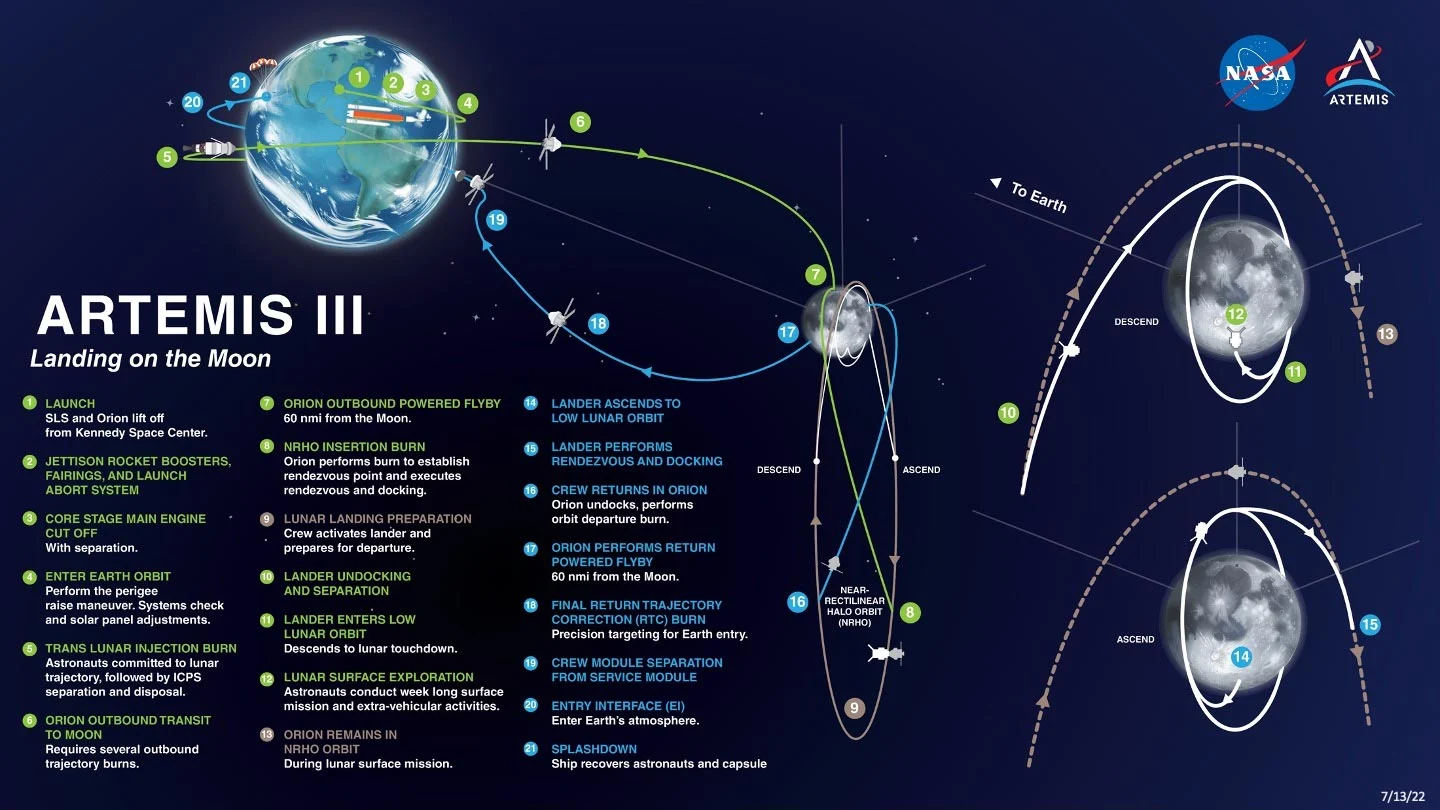
According to NASA's current mission schedule, Artemis 3 will further promote manned return to the lunar surface and plans to send humans to the lunar south pole for the first time. NASA is also establishing a more complete lunar exploration system for subsequent missions, and Glover and Wiseman will continue to participate in this process through emeritus projects.
For the two of them, flying around the moon is not a farewell to NASA's aerospace industry. On the contrary, they will transform from astronauts performing missions to experience inheritors, passing on the first-hand deep space flight experience gained by Artemis 2 to future astronauts, engineers and mission controllers, providing support for the next phase of mankind's return to the moon and longer-distance manned deep space exploration.
Comments