
Abstract:
Google updated its privacy policy to clearly state that content in Gmail, Drive and Google Photos will not be used for personalized advertising by default, but there are exceptions to this exclusion rule if users choose to open data from these services to other Google services that support personalized advertising. For example, Google said that its search service may process some of the data that users allow access to personalize content, including advertisements.
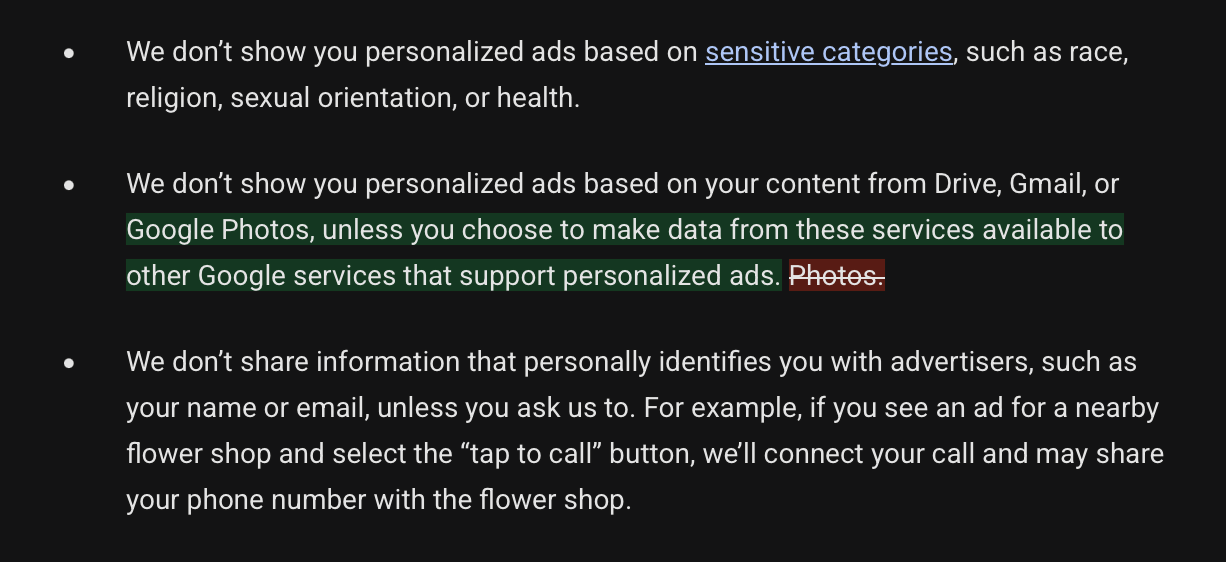
This change is related to the "personal intelligence" feature promoted by Google. After the user connects to Gmail, photo album and other applications, Gemini or Google search can combine the information in emails and photos to answer questions, such as reading hotel reservation emails and recommending nearby restaurants. Google said that connected applications are actively opened by users, and they can choose which services to connect to and disconnect at any time; however, the privacy policy now states that data open to certain ad personalization services may also affect the ads users see.
This does not mean that Google scans all emails and photos to serve ads by default. Exceptions in the policy are for data that the user chooses to expose to other services, with specific uses depending on the connected service, permissions, and settings. Google also stated that it will not disclose directly identifiable information such as names or email addresses to advertisers unless the user actively requests it.
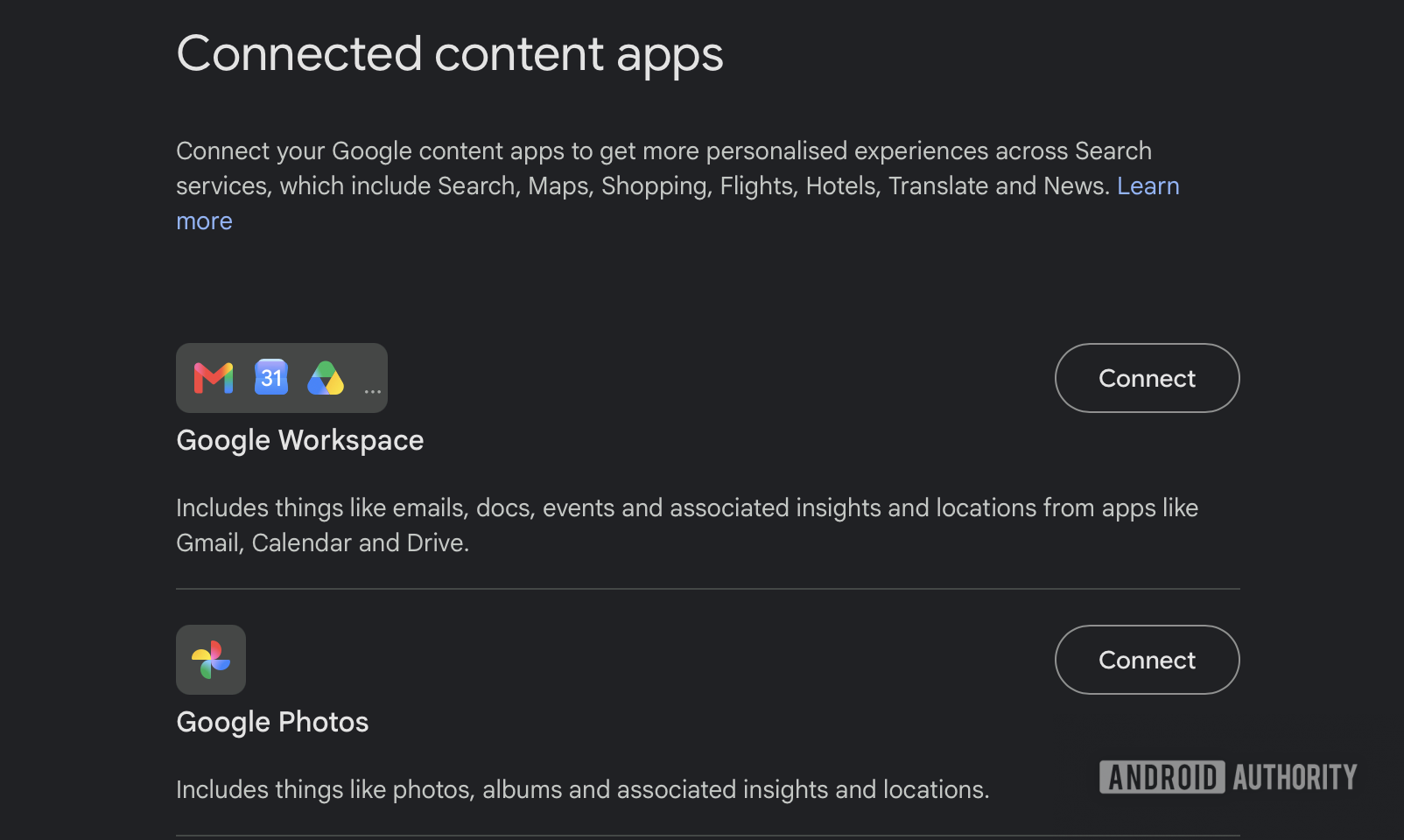
Users can go to the "Data and Privacy" settings of their Google account, enter the personalization settings under "Personalization and Activity", then manage "Personalized Recommendations in Search Services", disconnect Google Workspace or Google Photos in "Connected Content Apps", or directly turn off personalized recommendations. It should be noted that after disconnecting the application or deleting the original emails or photos, the information saved in the "Search Service History" may still be retained.
Comments