
Abstract:
The global problem of death and disability caused by venomous snake bites may be much greater than previously realized, a new study suggests. Researchers estimate that the annual number of deaths from snake envenomation could reach as high as 513,000, a figure far higher than officially recorded in many countries and indicating that snake bites have become a long-underreported global public health crisis.
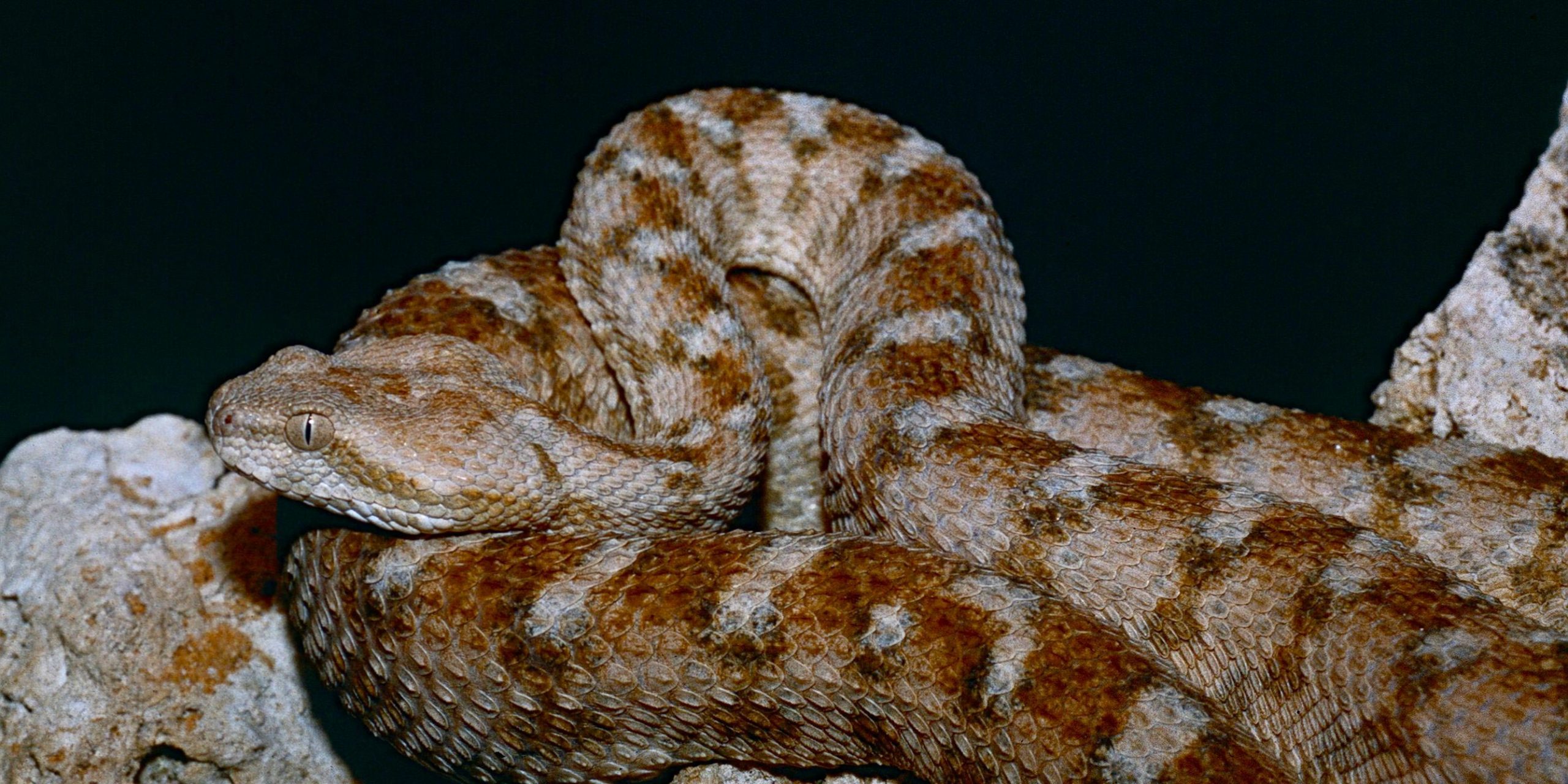
Researchers point out that not all snake bites inject venom, but when envenomation occurs, patients may be at risk of death. This situation is mainly concentrated in poor rural communities in tropical and subtropical regions, where local residents often have difficulty accessing timely medical services.
Snake envenomation has long faced a serious data gap. More than half of the countries with dangerous venomous snakes do not systematically record the number of people bitten or envenomed by snakes. In sub-Saharan Africa and South Asia, many victims live long distances from health facilities, lack transportation, or seek help from traditional healers, so a large number of cases never enter official health statistics systems.
To fill this gap, the research team conducted a systematic review of publicly published research results as of March 31, 2025, collected data from 79 countries, and updated it based on the 2008 Global Burden of Snake Envenomation Burden Study. At the same time, the researchers built a geostatistical model that combined environmental and socioeconomic factors to estimate global snake envenomation and deaths.
The model used by the research team integrated data on climate conditions, venomous snake species richness, and socioeconomic indicators to estimate the probability of snake bites even in areas where formal medical records are lacking. By comparing hospital records, regional statistics, and community survey results, the researchers further estimated the number of unreported cases and established lower and upper bounds on the likely number.
Research results show that approximately 1.8 million to 7 million cases of snake venom poisoning may occur globally every year, and the number of deaths may range from 25,000 to 513,000. Researchers believe that even according to more conservative estimates, this still means that the health burden caused by snake venom poisoning is far more severe than official figures reflect.
From a geographical perspective, sub-Saharan Africa bears the heaviest impact. Due to scarce medical resources and insufficient antivenom supply in many rural areas, patients are often unable to receive treatment within critical time periods. Research suggests that not only are the risks of death higher in these areas, but survivors may also face serious consequences such as amputation or long-term disability.
The World Health Organization has set a goal of reducing death and disability caused by snake bites by 50% by 2030. To achieve this, the researchers say, it is first necessary to accurately understand the scale of the problem. By establishing national-level risk maps and identifying high-risk areas, health authorities can more effectively allocate antivenom and medical resources, prioritizing limited treatment capacity to communities most in need.
The research team emphasized that snake venom poisoning is not only a medical problem, but also closely related to social factors such as poverty, uneven distribution of medical resources, and poor transportation conditions. With the release of new global estimates, researchers hope governments and international health agencies will reassess this long-neglected public health threat and invest more in anti-venom treatment and primary care systems.
Comments