
Abstract:
A new synthetic opioid called cychlorphine is causing concern. The drug, which is said to be up to 10 times more potent than fentanyl, has been officially linked to more than 40 fatal drug overdoses in the United States in the past two years; because researchers and law enforcement do not yet know the extent of its actual circulation, the real impact may be greater.
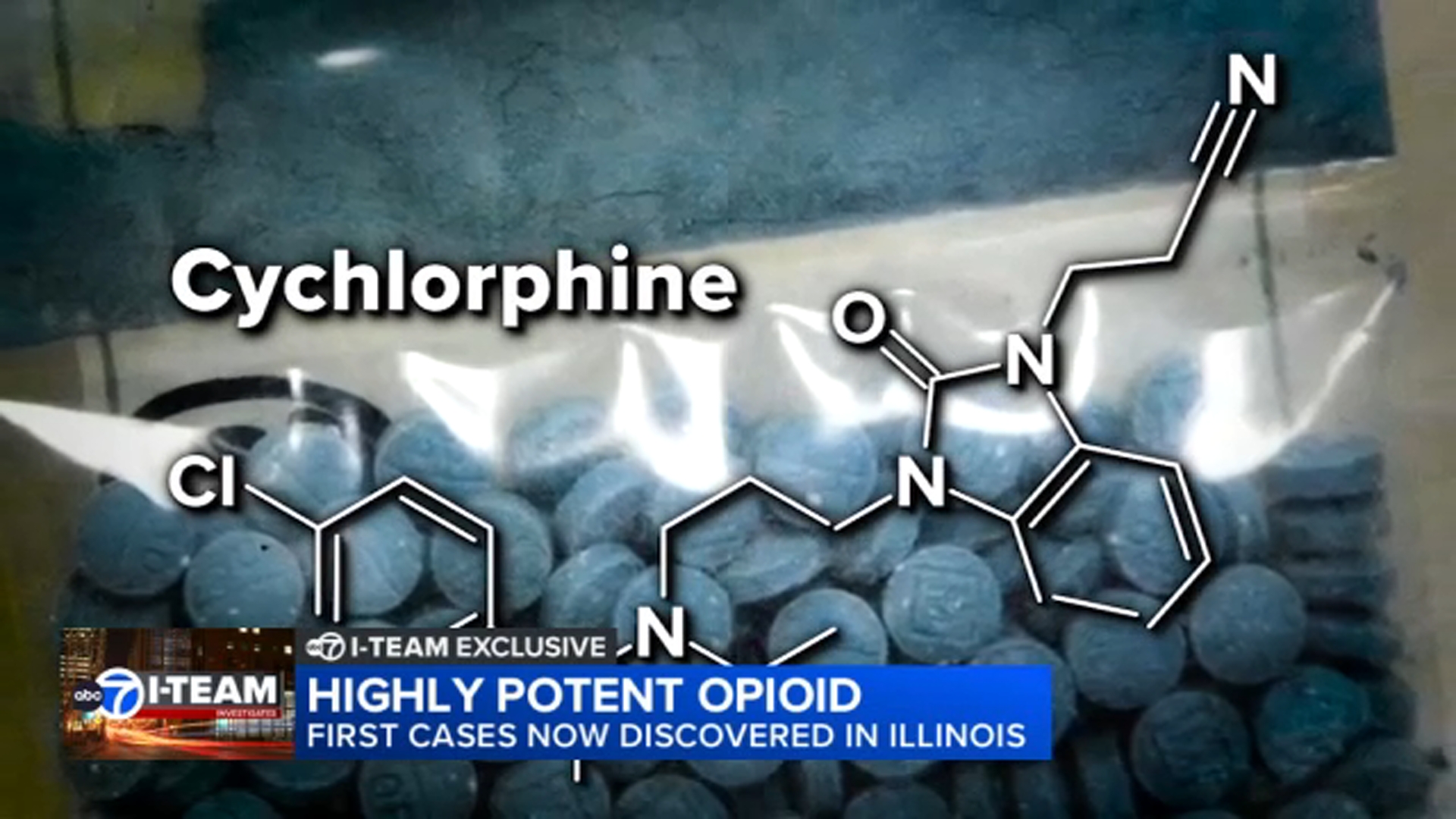
Cyclophine, like morphine and fentanyl, acts on the brain's μ-opioid receptors, reducing pain and producing a feeling of euphoria. But it belongs to a structurally distinct class of synthetic opioid agonists. Preclinical studies show that even at much lower doses than fentanyl, it can affect breathing and blood circulation. The compound was first discovered by the Center for Forensic Science and Education about two years ago, and there is still a lack of standardized testing methods that can quickly detect the presence of the drug in clinical samples.
International monitoring projects show that the market for this new synthetic opioid is expanding, especially in North America. Cyclophene has been detected in nearly 200 drug seizures in 10 countries, and at least 78 deaths around the world are thought to be related to it. In April this year, the White House Office of National Drug Control Policy issued a related drug threat report, pointing out that the drug is spreading in the southern, midwestern, and northeastern regions of the United States. Writing in the Journal of Pain Research, pharmacologist Robert Raffa of Temple University in Philadelphia and colleagues said that cyclochlorphen has emerged rapidly and is highly lethal, making it an urgent threat to clinicians, first responders and public health workers.
The article points out that the pattern of constant replacement of synthetic opioids is not new. In the 1990s, overprescription of painkillers like OxyContin fueled the expansion of the market for unregulated alternative medicines, which turned into a public health crisis at the turn of the century. Developed in the 1960s, fentanyl was originally considered a safer drug than morphine and was later widely added to other substances due to its lower cost and ease of use; its high potency also made it possible to transport small quantities, driving its rapid proliferation in the 2010s.
In 2022, a class of synthetic opioids called bromophane will come under international control; in 2025, China will completely ban another class of substances called nitazene. Since then, new opioid agonists have gained space to spread, and cyclochlorphen has quickly filled this gap. Meanwhile, regulators are still assessing the extent of its community circulation and medical staff are studying the most effective ways to treat overdoses.
Naloxone is commonly used by first responders to temporarily block μ-opioid receptors in response to opioid overdose. Darinka Mileusnich-Polkan, chief medical examiner at the Knox County Regional Forensic Center, said in February this year that cyclochlorphen is stronger than fentanyl, and naloxone cannot completely block its effects, and multiple doses may be needed to prevent an overdose.
However, Rafa and colleagues pointed out that this treatment recommendation currently lacks solid evidence. They also said that cyclochlorphine is often detected at the same time as other drugs that interfere with the effects of naloxone, so it may not be just cyclochlorine itself that is causing the problem.
Comments