
Abstract:
Aluminum, once considered a metal more precious than gold in the 19th century, is now the second most commonly used metal in the world after iron. However, there have been few fundamental changes in the basic aluminum production process over the past 140 years, and the biggest problem with this traditional process is that it releases large amounts of carbon dioxide. According to existing methods, for every kilogram of aluminum produced, the chemical reaction itself will directly produce about 1.5 kilograms of carbon dioxide.
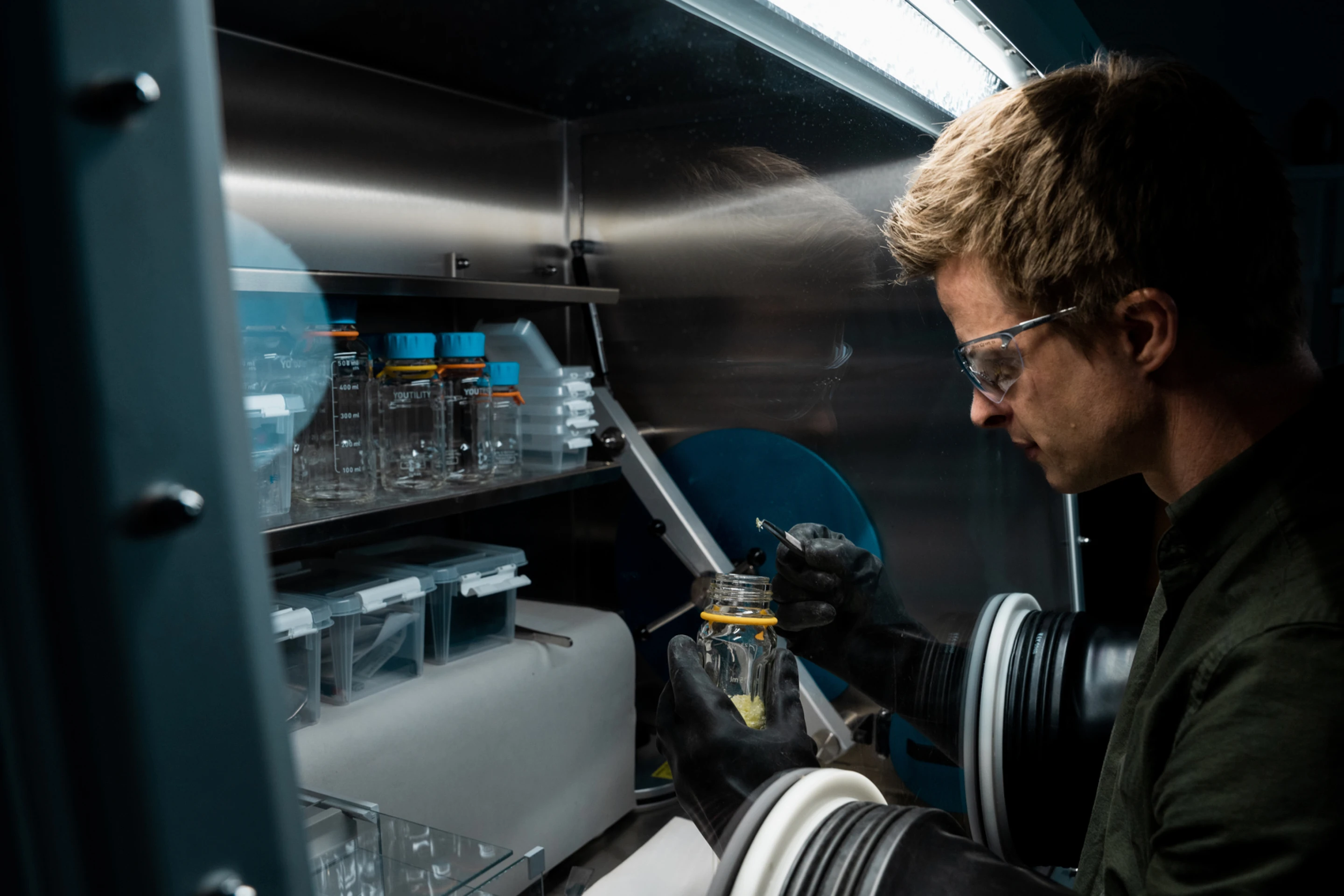
Recently, Norwegian aluminum giant Hydro, together with the Norwegian industrial research institution SINTEF and the Norwegian University of Science and Technology (NTNU), announced that a new aluminum production process called "HalZero" developed by it has successfully completed its first aluminum metal manufacturing verification. The research team believes that this technology has the potential to completely eliminate direct carbon dioxide emissions in the aluminum smelting process in the future.
The reason why aluminum has become an important material in modern industry is due to its abundant reserves and excellent strength-to-weight ratio. According to the United States Geological Survey, global primary aluminum production will reach approximately 74 million tons in 2025, and is widely used in many fields such as automobiles, beverage packaging, aerospace, construction, and electrical equipment. But the production process of aluminum has long been one of the most carbon-intensive industries.
Traditional aluminum smelting first requires the extraction of alumina from bauxite, and then smelting it using the Hall-Herou electrolysis method invented in 1886. At temperatures close to 1,000 degrees Celsius, aluminum oxide is dissolved in a molten electrolyte, and a strong current is used to promote the separation of aluminum and oxygen. The separated aluminum is deposited at the bottom of the electrolytic cell, and the released oxygen reacts with the carbon anode, eventually forming carbon dioxide and being emitted into the atmosphere. At the same time, the carbon anode is continuously consumed during the reaction process and needs to be replaced regularly.
Because carbon dioxide itself is an unavoidable product of this chemical reaction, even if the entire factory is powered entirely by renewable energy, related emissions cannot be completely eliminated. Although these gases can theoretically be recovered through carbon capture technology, the carbon dioxide concentration in the gas emitted by traditional aluminum plants is usually only about 1%, and the cost of capture and separation is very high.
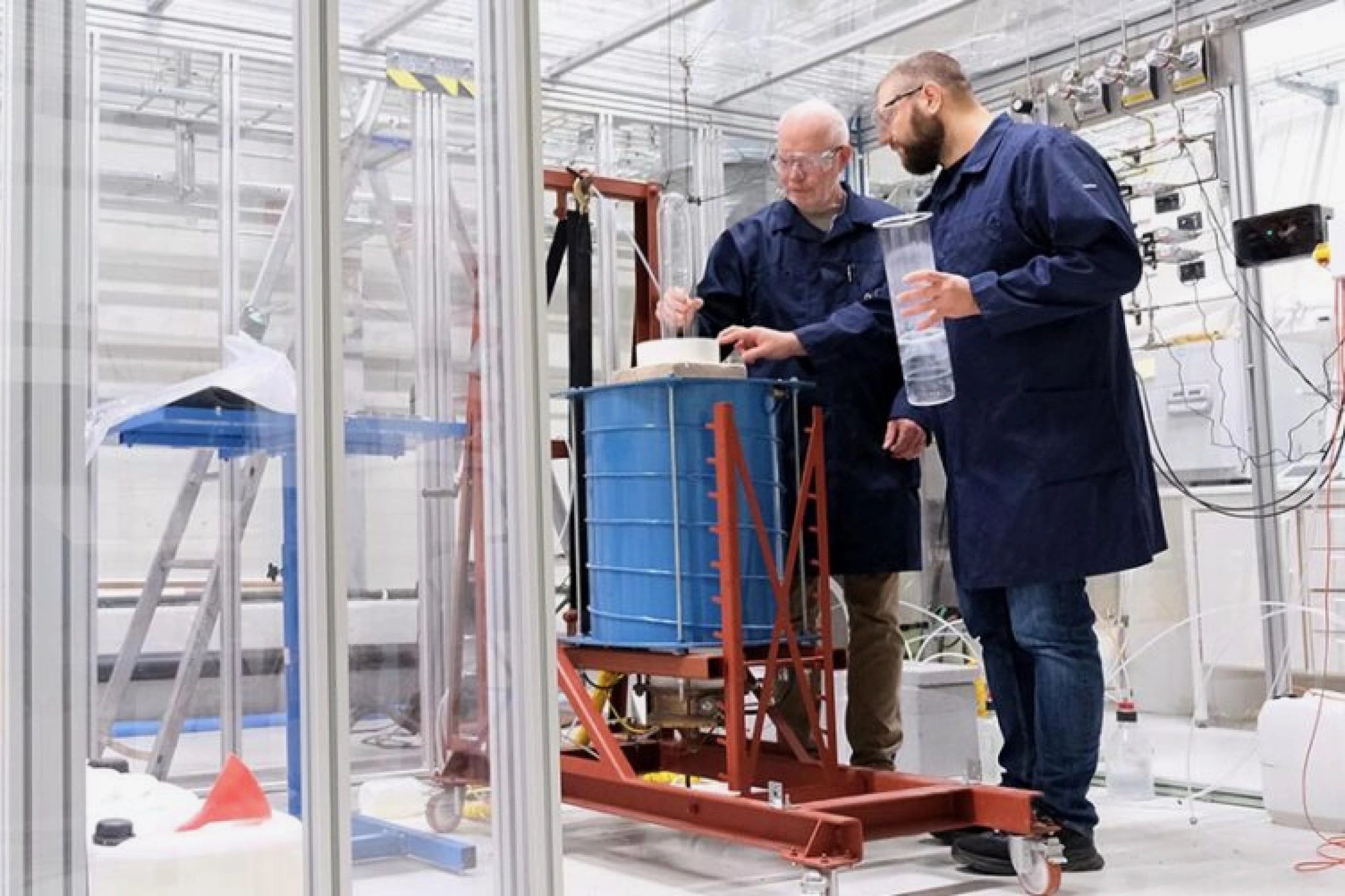
To solve this problem, the Hydro R&D team revolutionized the chemistry of aluminum production. The HalZero process no longer feeds alumina directly into the electrolytic cell, but first converts the alumina into aluminum chloride through a chlorination reaction. Subsequently, the aluminum chloride is electrolyzed to separate pure aluminum and chlorine gas.
Unlike traditional processes that release carbon dioxide, the byproduct of this process is chlorine. The researchers collected all the chlorine gas through a closed-loop design and sent it back to the front-end chlorination process for recycling, thus forming a continuously operating chlorine circulation system.
However, the chlorination stage itself still involves carbon and produces carbon dioxide. In this regard, Hydro said it has developed a new treatment solution that can convert the captured carbon dioxide into carbon monoxide and then return it to the production process for reuse. Oxygen is also released during this process. In this way, both chlorine and carbon will circulate continuously in their own independent closed-loop systems.
According to the design goal, HalZero can eliminate the emission of carbon dioxide produced in the electrolysis stage and traditional carbon anode production stage into the atmosphere. In theory, the entire process will ultimately emit oxygen instead of carbon dioxide.
In fact, the use of aluminum chloride electrolysis to produce aluminum is not a new concept. SINTEF research manager Egil Skybackmoin said that the American aluminum company Alcoa had tried similar technology as early as the 1980s. In the past ten years, Hydro has carried out further research and development and patented improvements on this basis, focusing on solving key issues such as continuous production, gas recycling and industrial applications.
In October this year, the Hydro research team successfully used HalZero electrolysis technology to extract aluminum metal from aluminum chloride for the first time at the test facility in Porsgrund, Norway, proving that this core electrolysis solution has surpassed the laboratory theoretical stage and has practical operational capabilities.
Hydro President and CEO Evind Karlevik said that this is an important milestone for the company and the Norwegian scientific research community, and it also means that the HalZero project has taken a key step towards industrialization.
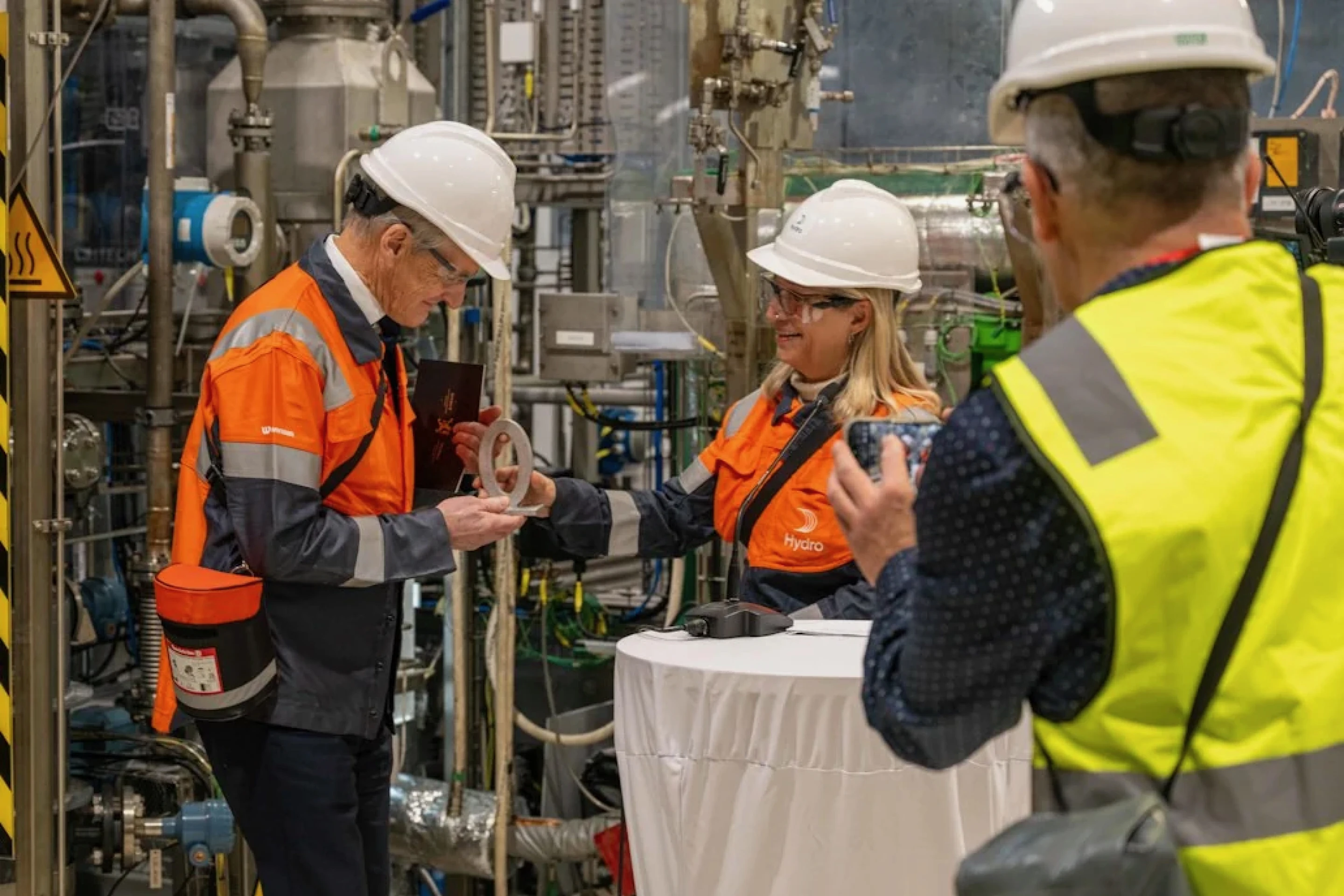
However, this technology still has a certain distance from truly achieving "zero emissions". Hydro admitted that the current experimental system has not yet integrated all links into a complete closed loop, and the re-conversion process of carbon dioxide into carbon monoxide has not yet been physically verified. Therefore, a certain amount of carbon dioxide will still be produced during the current testing process. In addition, the company has not announced the specific output, purity and energy consumption data of this experimental aluminum production.
Nevertheless, preliminary findings show positive economics for this technology. Researchers believe that the energy requirements and capital investment for the construction of an industrial-scale HalZero plant in the future are expected to be roughly equivalent to those of a traditional aluminum smelter. If this judgment is ultimately verified, the technology is expected to eliminate direct process emissions from aluminum production without significantly increasing production costs.
It should be pointed out that HalZero mainly targets the emission issues in the aluminum smelting chemical process itself, and does not cover the entire industrial chain such as mining, transportation, and power supply. Currently, for every kilogram of aluminum produced, the greenhouse gas emissions generated by the complete supply chain are approximately 14.8 kilograms of carbon dioxide equivalent.
In the next stage, Hydro plans to build a larger-scale industrial proof-of-concept device, integrating each independent process module to operate in the same system, to verify the ability to continuously produce aluminum and realize chlorine and carbon recycling at the same time. The project is planned to be located in the Glenland region of Norway.
To support subsequent research and development, the Norwegian state-owned enterprise Enova has provided an additional 82 million Norwegian kroner, equivalent to approximately US$8.72 million, to the project for planning and feasibility studies of the new pilot plant.
Hydro stated that even if subsequent development proceeds smoothly, HalZero will still take several years before commercial deployment. This development is not surprising as the technology is trying to replace a global industry standard that has been in use for 140 years.
As an important part of the company's strategy to achieve net-zero emissions in aluminum production in 2050, HalZero may not only be used in new smelters in the future, but is also expected to gradually replace aging traditional production lines in existing aluminum plants, thus promoting the global aluminum industry's transition to low-carbonization.
Comments