
Abstract:
A latest long-term tracking study in the field of primate behavioral ecology reveals an unusual survival adaptation strategy: wild monkeys, which usually rely on fruits and plants as their main diet, will take the risk and turn to actively hunt high-risk prey such as venomous snakes and large venomous arthropods when faced with the severe survival test of a severe shortage of forest fruit supply. This systematic field observation, which lasted for 45 months, overturned the scientific community's previous traditional understanding of the food preferences and predation risk avoidance patterns of small primates.
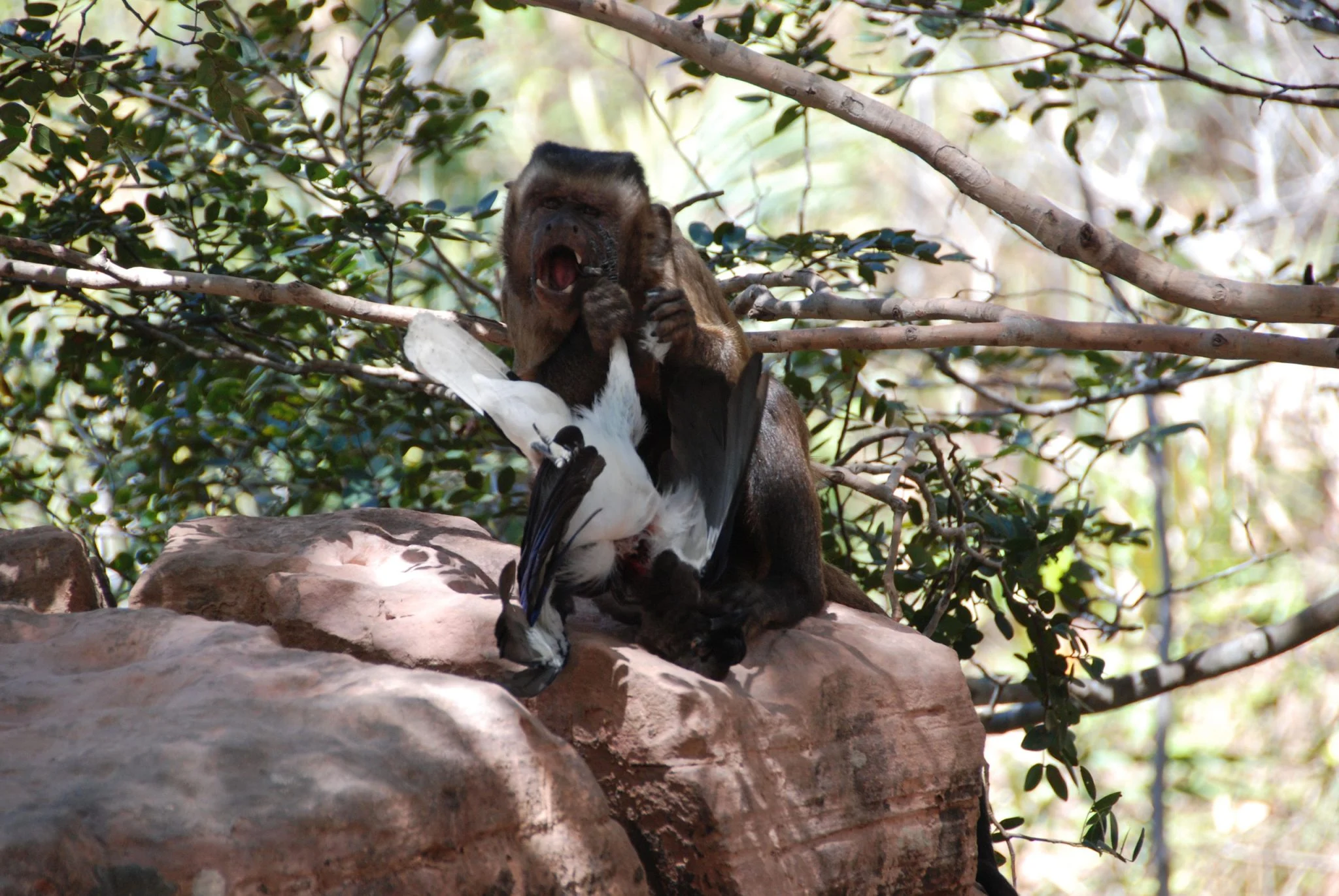
In this ecological monitoring project spanning nearly four years, the scientific research team went deep into the tropical forest ecosystem and conducted all-weather, long-term comparative records on the daily foraging behavior, energy intake composition, and seasonal fruit abundance of the forest canopy group of wild monkeys. During the period of regular ecological abundance and fruit production, the monkeys showed a typical herbivore preference. Most of their energy and trace element intake depended on mature fruits, young leaves and a small number of tiny insects. They maintained a high degree of vigilance and avoidance instinct against medium and large carnivorous creatures that may cause fatal bites or stings.
However, field monitoring data show that when the forest enters a rare drought or an abnormal phenological cycle resulting in a large area of canopy fruit shortage, the foraging patterns within the monkey group undergo a dramatic and radical reversal. Faced with a severe caloric and protein crisis that lasts for weeks or even months, adult monkeys begin to actively turn their attention to dangerous creatures in tree trunk crevices, stone crevices, and leaf litter, including highly toxic centipedes, scorpions, large tarantulas, and small venomous snakes with deadly fangs. The monkeys not only showed clear targeted search intentions, but also displayed highly coordinated and cautious hunting skills. They used extremely fast claw strikes, tree branch strikes or agile dodge movements to first destroy the head or venom glands of the prey, then kill it and quickly eat it.
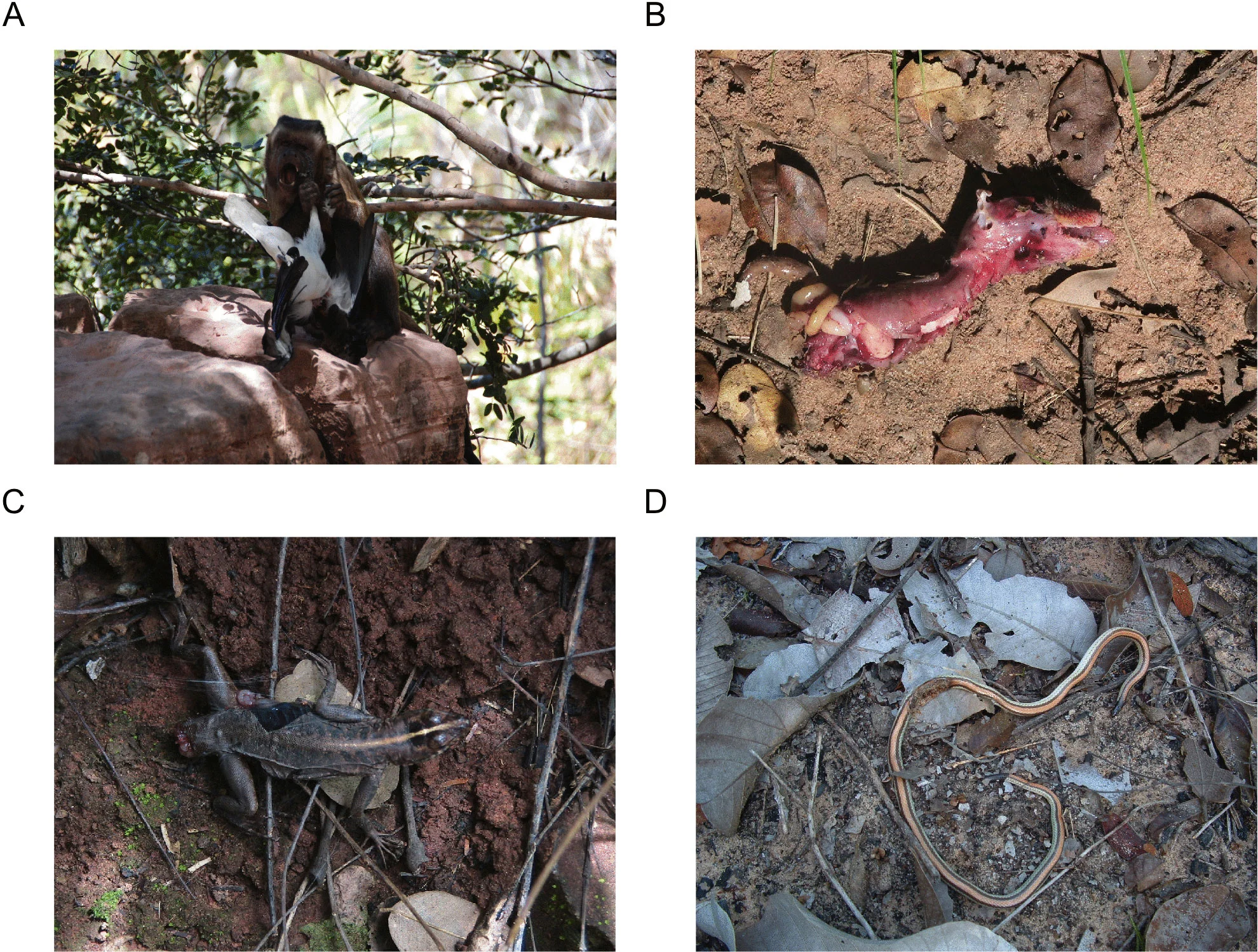
In-depth behavioral biological analysis shows that this high-risk predation is not an accidental stress control of individual monkeys, but an extremely resilient and elastic survival mechanism reserved by primates during their evolution. Although hunting toxic creatures carries a very high risk of maiming or killing them, at the critical point when extreme famine threatens the survival of the entire population, the high-density animal protein, fat, and key trace minerals contained in the prey provide an energy supply return that is much higher than that of dead plant leaves, tilting the survival balance from "absolute avoidance of danger" to "exchanging risks for high calories."
The scientific research team pointed out in the research summary that this 45-month field discovery not only enriches human understanding of primate food plasticity and cognitive adaptability, but also provides valuable modern evolutionary clues for deconstructing how early ancient humans gradually broke through established food restrictions and initiated high-risk hunting behaviors when they experienced extreme food scarcity crises such as climate change and forest degradation. As global warming leads to increasingly unstable plant phenology in tropical rainforests, the coping strategies of wild primates to extreme food shortages may become an important indicator for assessing their survival and adaptability under future ecological disturbances.
Comments