
Abstract:
A developer released version 0.8.0 of the DLSS-NR-on-AMD module, claiming that it allows AMD Radeon RDNA 3 and RDNA 4 graphics cards to run a number of DLSS functions originally targeted at NVIDIA GPUs, including DLSS super-resolution 4.5, light reconstruction, frame generation and up to 4x multi-frame generation, and also supports DLSS 5 neural rendering.
The project is maintained by developer danielblnc. The latest version integrates various functions into a module suite called "Neural Rendering Supermod" and adds the NeuralHub management interface to facilitate installation and management of game configurations.
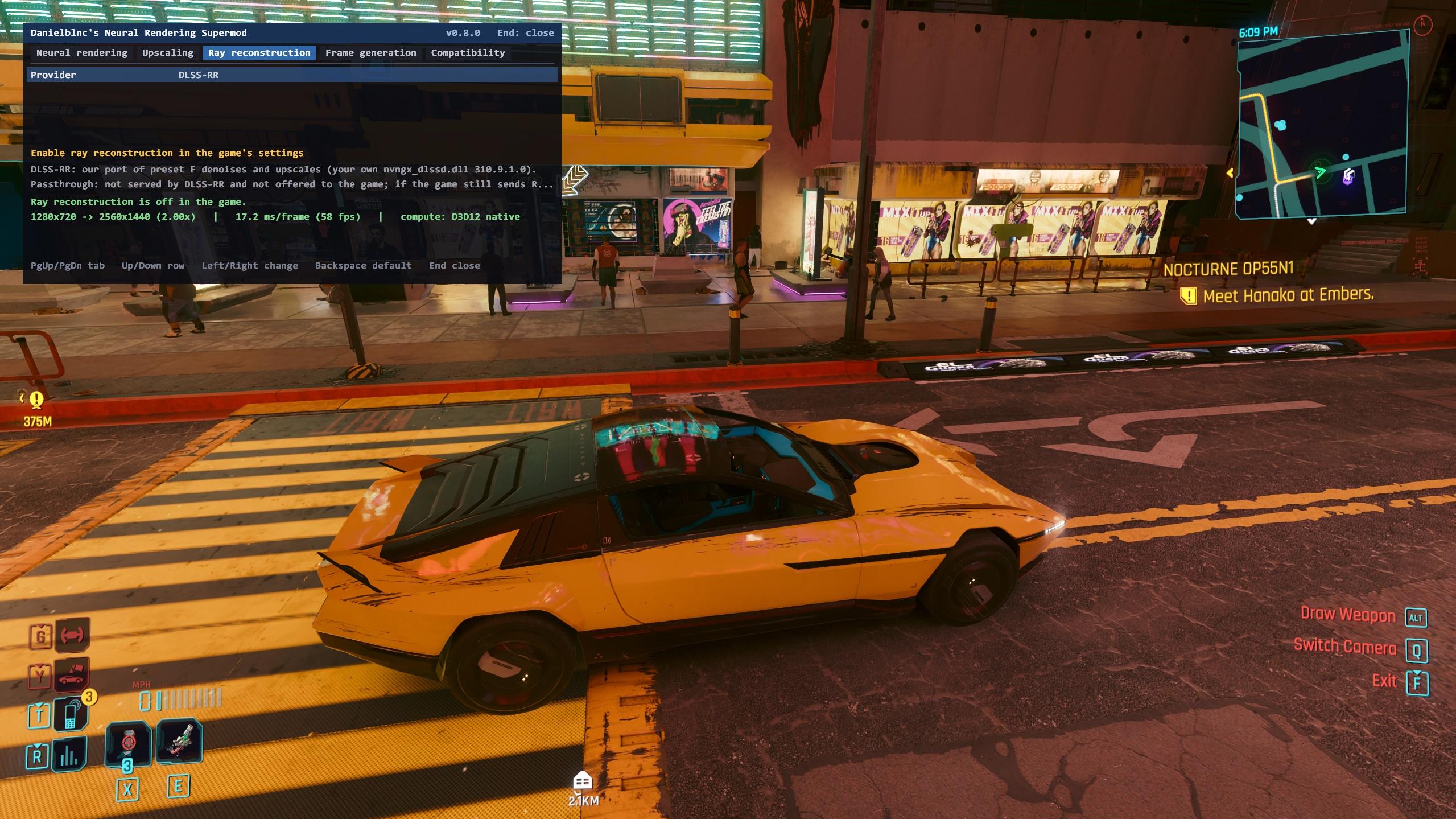
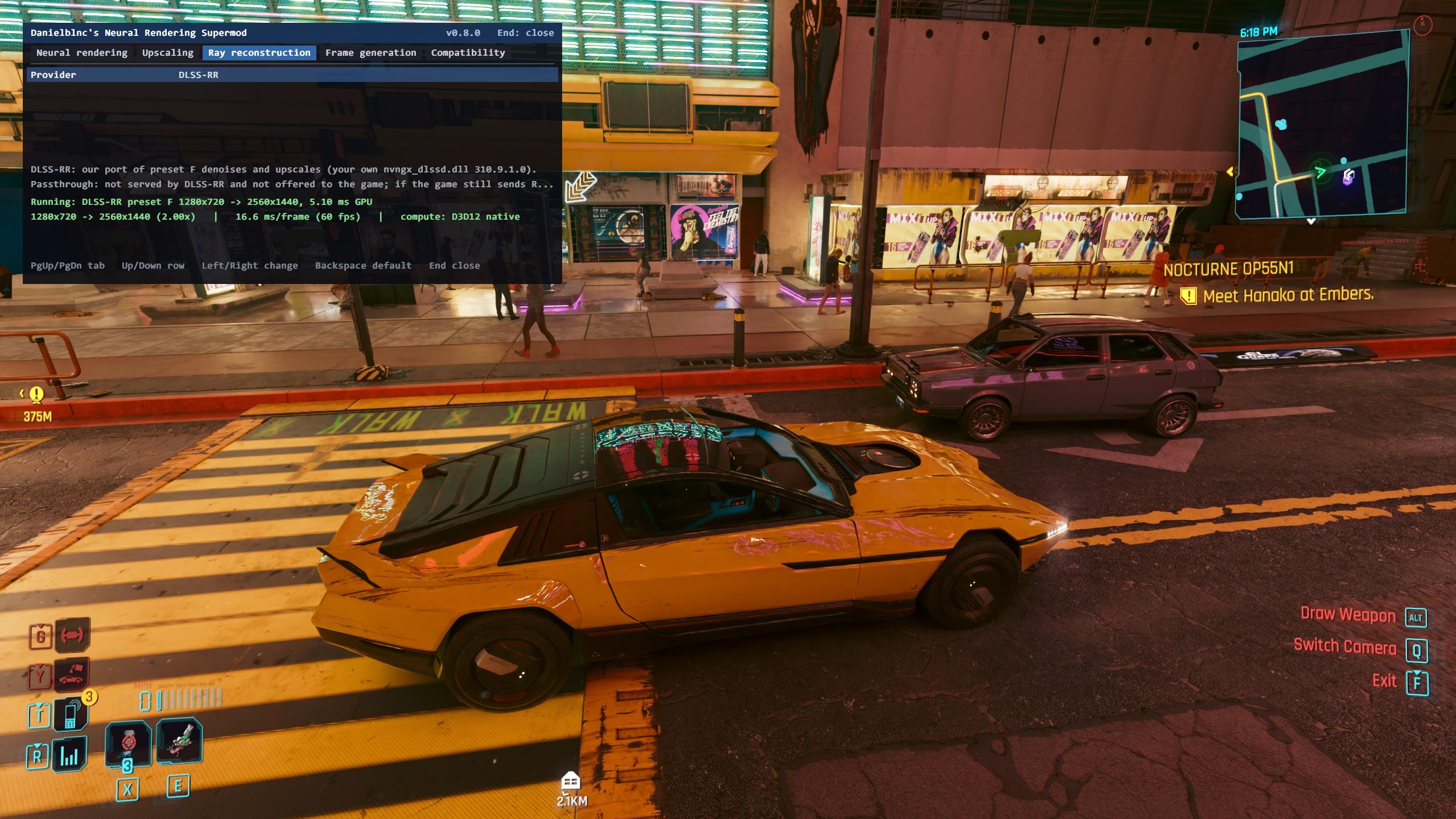
The most talked about new feature is DLSS ray reconstruction. NVIDIA's technology uses neural networks to replace traditional ray tracing denoisers and reconstruct images based on the ray tracing data provided by the game; AMD graphics card players usually use AMD's FSR light regeneration or traditional noise reduction solutions. The module developer said that the project is not simply translating NVIDIA operating instructions, but re-implementing the neural network operating environment for the AMD platform, including the HIP computing core, memory layout and game integration code for the AMD architecture.
A community user showed the running screen of the module in "Cyberpunk 2077". The test platform was a Radeon RX 9070 XT graphics card paired with a Ryzen 7 9700X processor. It was set to 1440p, the highest image quality, and path tracing was turned on. The publisher stated that no performance loss was observed after enabling DLSS light reconstruction, but this is only a comparison of a single user's experience and screenshots, and is not a standardized performance test; performance under different graphics cards, games, and configurations may vary greatly.
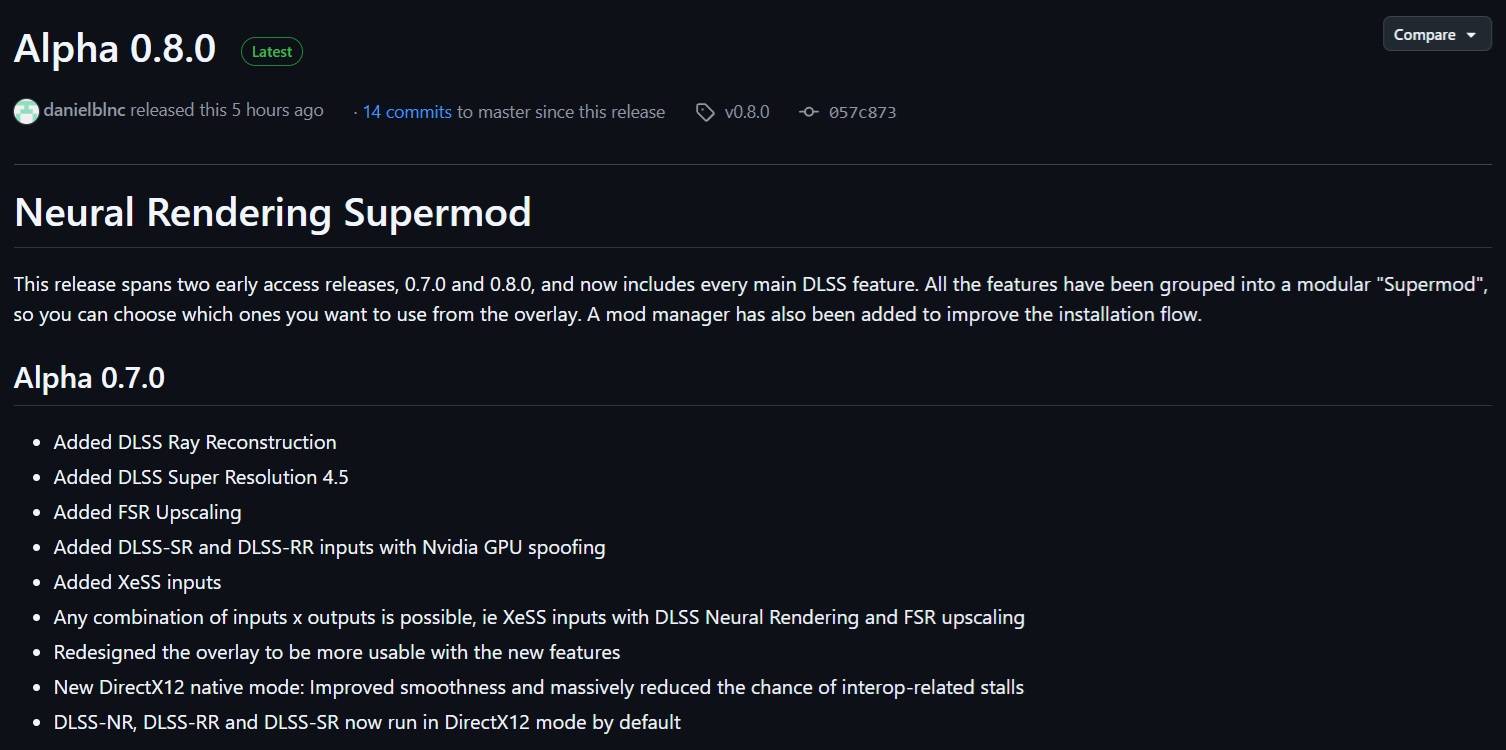
Version 0.8.0 also adds DLSS frame generation. In games that can provide corresponding DLSS frame generation input, the module can enable up to 4 times more frame generation. The DLSS super-resolution part has transplanted M, L and other models, and the developers said that they have expanded support for more input formats. The management tool NeuralHub allows users to centrally import DLSS dynamic link libraries and apply them to compatible games, avoiding the need to place large model files separately in each game directory. NVIDIA's proprietary DLSS DLL is not distributed with the module and users need to provide it themselves.
The report states that usage conditions include Windows 11, AMD Adrenalin 26.1.1 or later, and games that support DirectX 12; frame generation also requires GPU disguise and the game to provide the necessary DLSS input. RDNA 2 support is still experimental. The developer's release notes also mentioned that the module includes the FSR 4.1.1 upscaling function and improves the performance and loading speed of some modes. However, the new Epic launcher does not currently support it, and individual games may not be automatically added through the manager.
This is still an unofficial, experimental community project. It does not mean that NVIDIA has officially made DLSS compatible with Radeon graphics cards, nor can it guarantee that every game will run normally. Compatibility, image quality and frame rate performance may vary depending on game implementation and hardware; the actual effects of DLSS 5 neural rendering, light reconstruction, frame generation and other functions require more independent testing to verify.
Comments