
Abstract:
At the end of last year, it was reported that AMD's next-generation GPU has completed the design, is manufactured using TSMC's N3P process, and has been taped out. It is rumored that it was originally planned to debut at COMPUTEX 2027. However, as the DRAM supply crisis has intensified in the past year, it is reported that AMD will postpone the release of the next-generation RDNA 5 architecture product, possibly to the end of 2027, or even early 2028, closer to the release window of Nvidia's next-generation GPU.
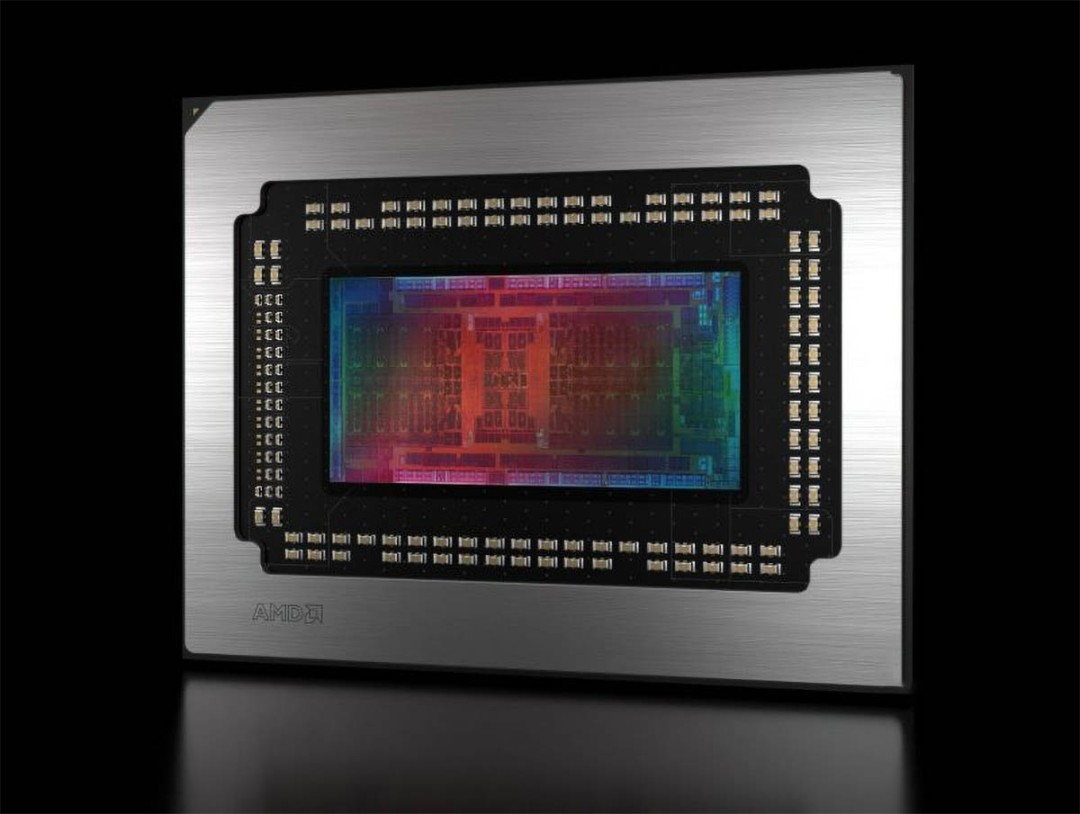
According to Wccftech reports, people familiar with the matter recently revealed that the new generation of graphics cards based on the RDNA 5 architecture GPU will have a very high core frequency, and AMD’s target is between 3.1GHz and 3.4GHz. Since the RDNA 5 architecture covers a large area, including independent graphics cards, integrated graphics cards and customized SoC chips, it is not yet certain whether it will be limited to some products or all designs.
Among the RDNA 4 architecture products currently on the market, the Radeon RX 9070 XT has the highest core frequency, with an acceleration frequency of 2.97GHz. For comparison, if the RDNA 5 architecture independent graphics card is increased to 3.1GHz, it means that it will be 4.4% higher, while 3.4GHz will be 14.5% higher, which is still quite obvious.
Of course, higher core frequency should not be regarded as an equivalent indicator of performance improvement. After all, GPU performance is determined by many factors, including computing unit design, overall architecture improvements, memory bandwidth and capacity, power consumption limitations and other factors. Core frequency is only one of the influencing factors.
Comments